Thoughtful Educational Holiday Gifts for Newborns: Nurturing Development from Day One
The holiday season is a time of joy, warmth, and giving—and for parents of a newborn, it is also a time when friends and relatives eagerly search for the perfect gift. While tiny onesies, plush animals, and adorable rattles are perennial favorites, there is growing awareness among thoughtful gift-givers that the earliest months of life are a critical window for brain development. A newborn’s brain forms more than one million neural connections every second during the first year, and the right kinds of stimulation can profoundly shape cognitive, emotional, and physical growth. This is where educational holiday gifts come into play. Far from being “too young” for learning, newborns are constantly absorbing information from their environment. By choosing gifts that are both developmentally appropriate and intentionally designed to foster curiosity, sensory awareness, and bonding, you can give a present that truly makes a lasting difference. In this article, we will explore a wide range of educational holiday gifts for newborns, organized around key developmental domains, and offer practical advice for selecting safe, meaningful, and age‑ appropriate items.
The Science of Early Learning: Why the First Year Matters
Before diving into specific gift ideas, it is helpful to understand why the first twelve months are so crucial. Newborns are not passive recipients of care; they are active learners. From the moment they are born, they use their senses—touch, sight, hearing, taste, and smell—to make sense of the world. Research in developmental neuroscience shows that experiences in infancy literally shape the architecture of the brain. For example, talking and singing to a baby strengthens the neural pathways associated with language, while gentle tummy time builds muscle tone and spatial awareness. Educational holiday gifts for newborns are therefore not about “teaching” in the traditional sense, but about providing rich, varied, and safe opportunities for exploration. The best gifts respect the baby’s natural pace, encourage interaction with caregivers, and avoid overstimulation. They are simple, durable, and designed to grow with the child.
Sensory Stimulation: Gifts That Engage the Senses
One of the most important areas of newborn development is sensory integration. In the first few months, babies are especially responsive to high‑contrast patterns, soft sounds, and varied textures. Educational gifts in this category help refine the senses and build the foundation for later cognitive skills.
High‑Contrast Visual Cards and Mobiles
Newborns have limited visual acuity—they can focus best on objects about 8 to 12 inches away, and they are drawn to black‑and‑white or high‑contrast patterns (red, black, and white). A set of large, sturdy high‑contrast cards or a black‑and‑white mobile that hangs over the crib can captivate a baby’s attention and encourage visual tracking. Look for cards that feature simple geometric shapes, faces, or nature motifs. These items are inexpensive, versatile, and can be used during tummy time or while the baby lies on a play mat. They stimulate the visual cortex and help develop the ability to focus and shift gaze—a precursor to reading and other complex visual tasks.
Textured Sensory Balls and Soft Blocks
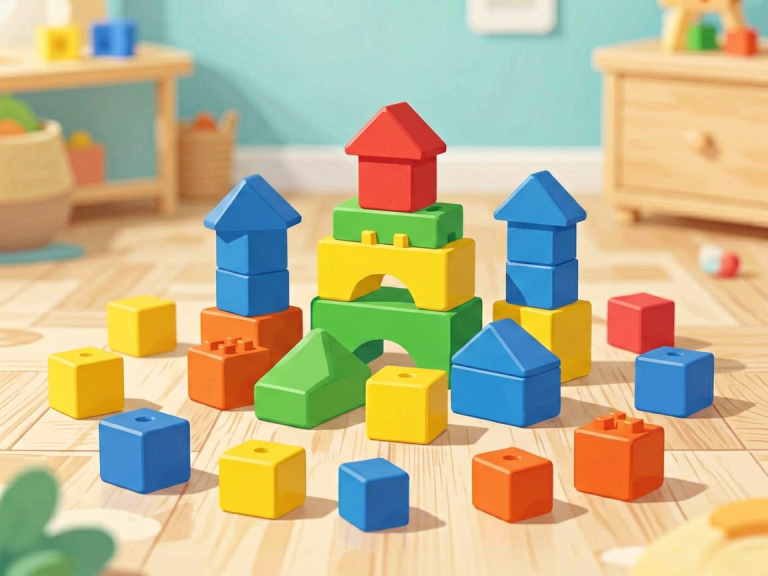
As babies begin to reach and grasp (around 3–4 months), toys with different textures promote tactile exploration. Soft fabric balls with ribbons, crinkle sounds, or raised bumps are ideal. similarly, soft, lightweight blocks made from organic cotton or silicone that are easy to hold and chew on offer opportunities for mouthing (a key way babies learn about objects). These sensory toys also support the development of fine motor skills, hand‑eye coordination, and cause‑and‑effect understanding (e.g., “When I squeeze this ball, it squeaks”).
Musical Instruments for Tiny Hands
Music is a powerful educational tool for infants. Simple, baby‑safe instruments like maracas, jingle bells on a wrist strap, or a small xylophone encourage auditory discrimination, rhythm awareness, and the connection between movement and sound. A gentle rainstick or a soft lullaby music box can soothe a fussy baby while also exposing them to different timbres and pitches. When choosing musical toys, ensure they are free of small parts, loud enough to be heard but not harmful, and easy for a caregiver to use together with the baby.
The Power of Language: Books and Music for Tiny Ears
Language development begins long before a baby speaks their first word. Hearing a rich variety of sounds, words, and intonations builds the neural networks necessary for later literacy. Books and music are perhaps the most impactful educational gifts you can give a newborn.
Cloth Books and Board Books with Simple Stories
For the youngest babies, cloth books that are chewable, washable, and have crinkly pages or a mirror are perfect. They introduce the concept of turning pages and holding a book. As the baby grows, board books with simple, repetitive text and bright, clear illustrations become invaluable. Look for books that feature high‑contrast pictures, facial expressions, or simple rhymes. Titles like “Black & White” by Tana Hoban, “Goodnight Moon,” or “The Very Hungry Caterpillar” in a small board‑book format are classic choices. Importantly, the gift of a book is also a gift of time—it encourages caregivers to read aloud, which strengthens the parent‑child bond and exposes the baby to the rhythm of language.
Lullaby CDs or Playlists and Sing‑Along Toys
While many families now stream music, a physical CD or a small musical player preloaded with classic lullabies can be a thoughtful gift. Even more interactive are toys that play a simple melody when a button is pressed, allowing the baby—with help—to initiate sound. Music exposure supports memory, emotion regulation, and even mathematical thinking later on. Holiday carols sung softly by a parent, or instrumentals of holiday tunes, can become cherished traditions. For a truly educational twist, choose music that incorporates different languages or instruments from around the world.
Motor Skills Development: Toys for Grasping, Reaching, and Rolling
Physical development during the first year follows a predictable sequence—from reflexive movements to intentional reaching, rolling, sitting, and crawling. Gifts that encourage these milestones are educational because they give the baby practice in controlling their body and interacting with the environment.
Activity Gyms and Play Mats with Hanging Toys
A well‑designed activity gym—a padded mat with an arch from which toys dangle—provides a safe space for tummy time and back‑lying play. The baby can bat at, grab, and kick toys, strengthening their core, arms, and legs. Look for gyms that offer detachable toys that can be repositioned, and that have a variety of textures, sounds, and mirrors. Many modern gyms are designed with high‑contrast elements and can be folded for easy storage. This type of gift can be used for several months and adapts as the baby grows.
Soft, Graspable Rattles and Teethers
The simplest motor‑skill toy is a well‑designed rattle. Choose one that is easy for tiny hands to hold, with a handle that fits between thumb and fingers. Rattles encourage the baby to bring hands to midline, shake, and explore sound. Teething rings with different textures also serve a dual purpose—relieving gum discomfort while offering tactile variety. As the baby progresses to sitting and crawling, toys that roll (like a soft ball with a bell inside) encourage chasing and reaching.
Stacking Rings and Simple Puzzles
Around 6‑9 months, babies start to understand object permanence and enjoy putting things together. A classic stacking ring toy with a wobble base helps develop hand‑eye coordination, cause‑and‑effect, and early problem‑solving. Similarly, a simple shape‑sorter with large, easy‑to‑grasp pieces (and no small parts) can be introduced with caregiver assistance. These gifts are excellent for cognitive development because they require the baby to experiment and discover.
Visual and Cognitive Growth: High‑Contrast and Interactive Toys
Beyond basic sensory stimulation, there are toys specifically designed to challenge the baby’s developing brain in areas like pattern recognition, memory, and cause‑and‑effect.
Sensory Mirrors and Baby‑Safe Mirrors
Babies are fascinated by faces—especially their own! A shatterproof, baby‑safe mirror that can be attached to a crib or placed on a play mat allows the baby to observe facial expressions, which is crucial for social‑emotional development. Mirrors also help with self‑awareness and visual tracking. Some floor‑standing activity centers incorporate mirrors along with lights and sounds, but for a newborn, a simple, unbreakable mirror is ideal.
Interactive Pop‑Up and Cause‑and‑Effect Toys
As babies near their first birthday, they begin to understand that their actions produce results. Toys with buttons that cause a character to pop up, or a lever that makes a sound, are highly educational. Look for versions that are robust and have large, easy‑to‑press triggers. These toys teach logical sequencing and persistence. However, for a very young newborn (0‑3 months), avoid complex electronic toys; instead, choose items with simple, predictable responses.
Black‑and‑White Picture Cards and Flashcards
While not as flashy as electronic toys, sets of black‑and‑white picture cards (on a ring or in a small book) are a wonderful cognitive gift. They can be propped in front of the baby during tummy time or shown one at a time. The high contrast draws the baby’s gaze and helps train the eyes to track. As the baby grows, you can move to cards with simple shapes, animals, or faces. Many developmental specialists recommend these as a first “learning” tool.
Emotional and Social Bonding: Gifts That Encourage Interaction
Perhaps the most important educational gift for a newborn is not a physical object at all—but the quality of interaction with a loving caregiver. However, there are items that can facilitate and enhance this bonding.
Baby Carriers, Wraps, or Soft Structured Carriers
Being held close to a caregiver’s body allows a newborn to feel secure, hear their heartbeat, and see the world from a different perspective. A high‑quality baby carrier (such as a wrap or a structured carrier) is an educational gift because it supports attachment, language exposure (as the caregiver talks while moving), and even balance development. Look for carriers that are ergonomic for both baby and wearer, made of breathable fabric, and allow for multiple carrying positions.
Photo Books or Personalized “About Me” Books
Creating a small photo book with pictures of family members, or a soft book that includes a mirror and pockets for photos, helps the baby learn to recognize faces and build a sense of identity. You can also gift a “baby’s first year” journal or a set of milestone cards that parents can use to document growth. While the baby won’t interact with these directly, they foster the conversations and storytelling that are the heart of early learning.
Simple Puppets and Hand Toys
A soft hand puppet (like a simple sock puppet or a plush animal with a hand opening) can be used by a parent to “talk” to the baby, make funny sounds, and play peek‑a‑boo. This type of play supports social‑emotional development by teaching turn‑taking, facial expressions, and imitation. Choose puppets with high‑contrast colors, a rattle inside, or different textures.
Practical Yet Educational: Subscriptions and Experiences
Sometimes the most lasting gifts are those that unfold over time. Subscription boxes and experiential gifts offer ongoing learning opportunities.
Monthly Subscription Boxes for Baby Development
Several companies offer curated boxes that ship age‑appropriate educational toys, books, and activities each month. For a newborn, the first few boxes might include high‑contrast cards, a soft rattle, and a board book. These boxes save parents time and effort while ensuring the baby always has new, developmentally appropriate stimuli. Giving a three‑ or six‑month subscription as a holiday gift is both practical and generous.
Baby Swim Classes or Music Class Vouchers
While a newborn can’t take a class alone, many communities offer parent‑baby swim lessons (starting around 3‑6 months) or music and movement classes. A gift certificate for such a class encourages parent‑child bonding, water safety awareness, and sensory‑motor development. Check local offerings, and if possible, pair it with a waterproof diaper bag or a baby towel.
Final Tips for Choosing Safe and Age‑Appropriate Gifts
When selecting educational holiday gifts for newborns, safety is paramount. Always look for toys that meet current safety standards (such as ASTM or CE marks), are free of BPA, phthalates, and lead, and have no small parts that could be a choking hazard. For the first three months, avoid toys with strings longer than 12 inches, and ensure any electronic toys have secure battery compartments. Additionally, consider the “open‑ended” nature of the toy—gifts that can be used in multiple ways as the baby grows (e.g., a set of stacking cups that can be built, nested, and used in water play) offer the best value. Finally, think about the parents: a gift that is easy to clean, portable, and does not require a degree in engineering to assemble will be appreciated.
In the end, the most educational holiday gift for a newborn is one that sparks joy, fosters connection, and respects the baby’s natural curiosity. Whether it is a simple black‑and‑white card, a cozy book, or a subscription that delivers monthly surprises, the thoughtfulness behind the gift matters most. As you wrap your present this holiday season, remember that you are not just giving a toy—you are giving the gift of discovery, one that will help shape a bright future, one gentle interaction at a time.