The Ultimate Guide to the Best Gifts for 2-Year-Olds: Nurturing Wonder, Growth, and Joy
Introduction: Why Choosing the Right Gift Matters at Age Two
The second year of life is a whirlwind of transformation. At 24 months, a toddler is no longer a passive infant but an active explorer—walking (or running), talking in short phrases, asserting independence, and experiencing a dizzying array of emotions. Every day is a new discovery: the feel of sand between fingers, the sound of a bell, the joy of stacking blocks and watching them tumble. For parents, caregivers, and friends, selecting the perfect gift for a 2-year-old is both an exciting opportunity and a delicate challenge. The best gifts do more than entertain—they support the child’s cognitive, motor, and social-emotional development, while also being safe, durable, and engaging. This guide dives deep into categories of gifts that truly shine for this age group, offering practical advice and creative ideas to make your choice meaningful and memorable.
Section 1: The Foundation – Safety, Durability, and Developmental Appropriateness
Before exploring specific gift ideas, it is essential to understand the non-negotiable criteria. A 2-year-old’s world is tactile and mouth-oriented. They explore by touching, tasting, and tossing. Therefore, any gift must meet strict safety standards: no small parts that could be choking hazards (a classic rule: anything that fits inside a toilet paper tube is too small), non-toxic materials, and no sharp edges. Durability is equally critical. Toys that break easily not only frustrate the child but can create dangerous splinters or sharp plastic shards. Look for items made from solid wood, sturdy BPA-free plastic, or high-quality fabric with reinforced stitching. Moreover, consider the child’s current developmental milestones. At two, children are refining their fine motor skills (e.g., turning knobs, stacking), gross motor skills (e.g., climbing, kicking), language (about 50 words and rapidly growing), and beginning to engage in pretend play. The best gifts challenge without frustrating, and allow for open-ended exploration rather than a single “correct” way to play.
Section 2: Classic Toys That Never Fail – Building Blocks, Puzzles, and Shape Sorters
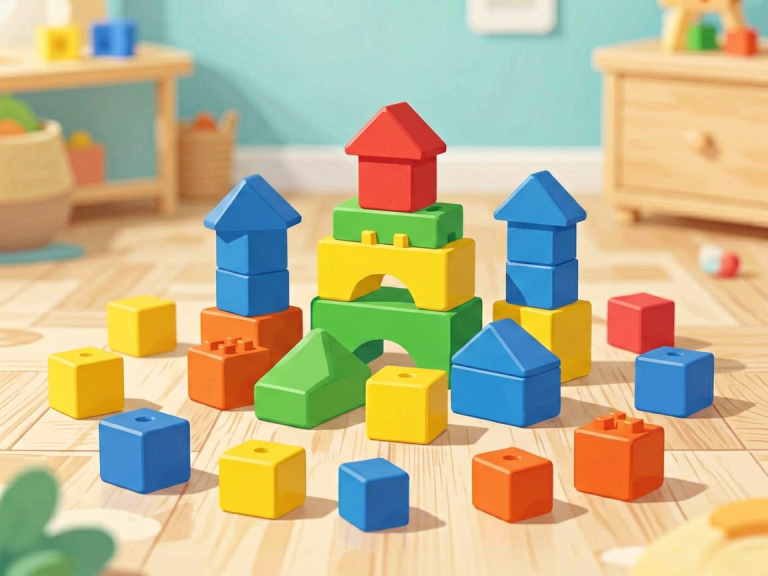
Some toys have stood the test of time for good reason. Building blocks are the undisputed champions of open-ended play. A set of wooden blocks in various sizes, shapes, and colors (e.g., unit blocks or larger Duplo-style bricks) allows a 2-year-old to stack, knock down, sort by color, and eventually create simple structures. This activity develops hand-eye coordination, spatial awareness, problem-solving, and patience. Look for blocks with rounded corners and a clear, non-toxic finish.
Simple jigsaw puzzles with 4 to 8 large, chunky pieces are another stellar choice. The child learns to match shapes and images, and the sense of accomplishment upon completing a puzzle boosts confidence. Choose puzzles based on familiar subjects—animals, vehicles, or family scenes. Alternatively, shape sorters (the classic cube with different cutouts and corresponding blocks) teach categorization and fine motor control. The act of rotating a block to fit the correct hole is a satisfying challenge. Many modern shape sorters incorporate sounds or textures, adding sensory interest.
Section 3: Imaginative Play and Role-Playing – The Gateway to Social Skills
Two-year-olds begin to mimic adult behaviors, and this is where imaginative play gifts shine. A child-sized kitchen set with pots, pans, and plastic food encourages pretend cooking, which builds narrative thinking and social interaction (e.g., “I’m making soup for you”). Look for sets that are sturdy and include realistic details like knobs that turn or a clicking oven door. Similarly, a doctor’s kit with a play stethoscope, syringe, and bandages allows the child to act out comforting roles. Dolls or stuffed animals with simple accessories (a blanket, a bottle) help the child practice nurturing behavior and emotional expression.
Another fantastic option is a costume trunk with easy-to-wear pieces like a firefighter hat, a chef’s apron, or a simple cape. Dressing up sparks creativity and helps children experiment with different identities. For children who love vehicles, a play tool bench with a plastic hammer, screwdriver, and “nails” lets them “fix” things just like grown-ups. The key here is realism combined with safety—no real tools, no small screws, and rounded edges.
Section 4: Active Play and Gross Motor Development – From Ride-Ons to Ball Pits
A 2-year-old’s energy seems boundless, and gifts that channel that energy into structured movement are pure gold. Ride-on toys without pedals (often called “push cars” or “balance bikes”) are ideal. These low-to-the-ground vehicles allow the child to propel themselves with their feet, building leg strength, balance, and coordination. Look for models with a wide wheelbase for stability and a low seat. Some include a parent handle for steering until the child gains confidence.
Small tricycles with a push handle (parent handle) are another option, though many 2-year-olds are not yet ready for pedaling; the push handle allows adults to guide while the child learns. Ball pits—a small inflatable pool filled with soft plastic balls—are a sensory delight and encourage jumping, crawling, and throwing. They can be used indoors (on a carpet) and are easy to deflate for storage. Climbing structures designed for toddlers, such as a foam climbing block set or a small indoor slide, provide hours of safe gross motor fun. Always check weight limits and ensure the structure is stable.
Outdoor gifts are equally important. A sand and water table brings the beach to the backyard. Children scoop, pour, dig, and build, learning physics concepts like volume and gravity. Look for a table with a cover to keep sand clean. A small garden set (child-safe shovel, rake, and watering can) lets the child help in the garden—a wonderful way to connect with nature.
Section 5: Sensory and Artistic Gifts – Messy Play Done Right
Sensory play is critical for brain development, and 2-year-olds are natural sensory seekers. Play-Doh (or homemade non-toxic dough) with simple tools like plastic safety scissors, rolling pins, and stampers encourages squeezing, rolling, and cutting. The material is pliable, forgiving, and can be reused. Pair it with a waterproof mat for easy cleanup. Finger paints specifically labeled as non-toxic and washable allow children to explore color mixing and textures. A large sheet of paper (or even a wipe-clean table cover) becomes a canvas. Consider adding a smock or old T-shirt.
Kinetic sand is another sensory hit—it holds its shape like wet sand but feels dry and crumbly. Combined with small molds and a shallow tray, it provides endless tactile fascination. Water beads (supervised only, as they can be a choking hazard if swallowed) expand in water and offer a squishy, slippery sensation. Use them in a sealed bag or a tub with a lid for safe exploration. For auditory sensory play, a set of simple musical instruments—a small xylophone, maracas, a tambourine, or a rainstick—teaches rhythm and cause-and-effect. Avoid toys that produce extremely loud or high-pitched sounds, which can damage young ears.
Section 6: Books That Spark Language and Bonding
Never underestimate the power of a well-chosen book. At two, children love board books with bright illustrations, simple text, and interactive elements. Lift-the-flap books (like *Dear Zoo* by Rod Campbell) build anticipation and object permanence. Touch-and-feel books (e.g., *Pat the Bunny*) introduce textures. Books with repetitive phrases (*Brown Bear, Brown Bear, What Do You See?*) help children predict and participate in the reading experience. For a truly special gift, choose a personalized book that includes the child’s name and photo in the story. This creates a unique connection and makes reading personal.
Consider also wordless picture books (e.g., *Journey* by Aaron Becker) that encourage the child (or parent) to invent the story, building narrative skills. And don’t forget song books—collections of nursery rhymes with CDs or downloadable audio. Singing along reinforces language rhythm and memory. Board books with sturdy pages can withstand chewing and drool, making them ideal for this age.
Section 7: Practical but Magical – Gifts That Grow with the Child
Some gifts are not toys at all, but they create lasting memories and routines. A child-sized table and chair set gives the toddler a dedicated space for eating, drawing, and playing. Look for solid wood construction with rounded corners. Add a set of washable crayons (designed for tiny hands) and a roll of paper. A night-light projector that casts stars or animals onto the ceiling can ease bedtime fears and create a soothing environment. A colorful clock or timer (like a “time timer”) helps children understand the concept of waiting (e.g., “five more minutes of play”). For practical parents, a sturdy step stool that allows the child to reach the sink or counter safely encourages independence in hand-washing and helping in the kitchen.
Conclusion: The Thought that Counts
The best gift for a 2-year-old is ultimately one that respects their stage of development, sparks their curiosity, and invites interaction—not with a screen, but with the real world and with loving adults. It is a gift that supports their blossoming autonomy while providing a safe framework for exploration. Whether you choose a set of colorful blocks, a sand table, or a personalized storybook, the magic lies in the moments it creates: the proud smile when a puzzle piece clicks into place, the laughter as a tower topples, the quiet concentration as fingers press into dough. By selecting a gift that aligns with these tender, powerful years, you are giving more than an object—you are giving a foundation for learning, connection, and joy.