Best Toy Gifts for 2-Year-Olds: A Parent’s Guide to Developmental Play
Introduction
The second year of life is a whirlwind of discovery, language explosion, and burgeoning independence. At 24 months, toddlers are no longer babies; they are curious, active, and eager to interact with the world in more complex ways. Choosing the best toy gifts for a 2-year-old requires more than just picking something colorful or noisy. The ideal toy should engage their rapidly developing motor skills, stimulate problem-solving abilities, encourage imaginative play, and—most importantly—be safe and durable. This guide explores the top categories of toys that truly support a two-year-old’s growth, from sensory bins to ride-on vehicles, ensuring that every gift is both fun and educational. Whether you are a parent, grandparent, or friend, these carefully curated recommendations will help you select a present that will be cherished (and used) long after the wrapping paper is torn away.
Building Blocks and Stacking Toys: Foundations of Fine Motor Control
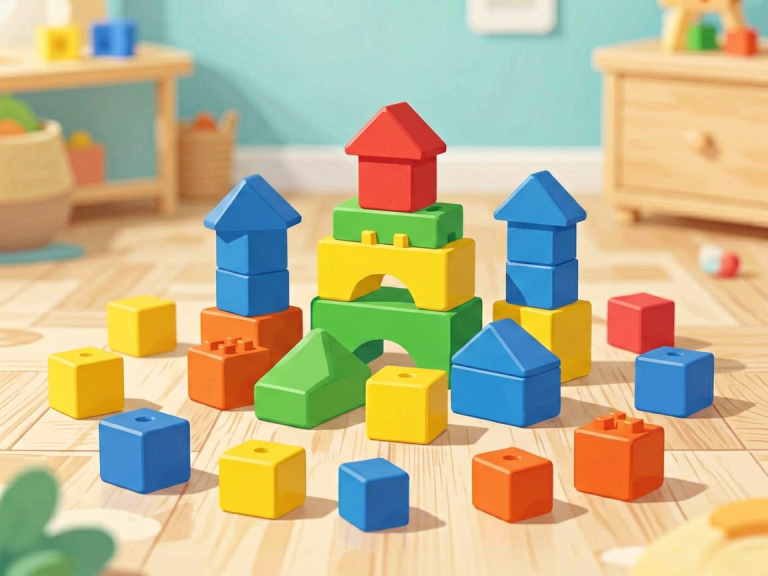
One of the most classic and enduring toy categories for two-year-olds is building blocks and stacking toys. While simple in design, these toys are powerhouses of developmental benefit. At this age, children are refining their pincer grasp and hand-eye coordination. A set of chunky wooden blocks—preferably in various shapes and colors—allows a toddler to practice stacking, balancing, and knocking down. The cause-and-effect learning is immediate and satisfying. Beyond physical skill, blocks introduce basic concepts of size, weight, and geometry. When a child tries to place a large block on top of a smaller one, they learn stability and gravity through trial and error. For an extra layer of engagement, look for blocks that feature letters, numbers, or animal faces. This turns stacking into a multi-sensory experience that also supports early literacy and numeracy. Magnetic tiles are another excellent variation; they click together easily, reducing frustration, and can be used to build simple houses or towers. The open-ended nature of blocks means they never get old—a two-year-old might stack them one day and pretend they are “cakes” the next.
Ride-On Toys and Push Cars: Gross Motor Development and Confidence
Two-year-olds are on the move, and their growing leg muscles crave action. Ride-on toys that allow a child to sit and propel themselves with their feet are fantastic for gross motor development. Unlike tricycles (which require pedaling skills that often develop later), a simple “foot-to-floor” car or animal-shaped ride-on gives the toddler complete control. As they push off the ground, they strengthen their legs, improve balance, and practice coordination. More importantly, these toys foster a sense of independence. A child can “drive” around the living room or backyard, exploring space and distance. For added fun, choose a model that has a storage compartment (perfect for carrying treasured toys) or one that makes gentle sounds—like a clicking engine or a horn. Push carts or walk-behind lawn mowers are also great alternatives for children who are still stabilizing their walking gait. Many of these come with removable blocks or shape-sorting pieces, effectively combining a gross motor activity with a fine motor challenge. Safety note: Always ensure the ride-on toy is stable, has a wide wheelbase, and is made from non-toxic materials. Avoid any with small parts that could become choking hazards.
Sensory Play Kits and Art Supplies: Creativity and Calm
The sensory world of a two-year-old is intensely vivid. They learn by touching, smelling, seeing, and hearing. Sensory play kits—such as a bin filled with kinetic sand, water beads, or colored rice—provide endless opportunities for exploration. However, careful supervision is essential because many small items can be mouth hazards. A safer bet for this age is a set of non-toxic, washable crayons or finger paints specifically designed for toddlers. The chunky shape of these crayons is easy for small hands to grip, and they encourage scribbling—a precursor to writing. Finger painting might get messy, but the open-ended nature of art helps a child express emotions, practice cause and effect (mixing colors), and develop tactile sensitivity. For a less messy option, consider a water doodle mat: the child paints with a water-filled pen, and the colors appear only on the special mat, then disappear as it dries. This is reusable and mess-free. Another sensory favorite is a “busy board” with latches, zippers, switches, and doorknobs. Two-year-olds are fascinated by how things work, and a busy board satisfies their curiosity while strengthening finger muscles and patience.
Shape Sorters and Simple Puzzles: Cognitive Growth and Persistence
At age two, cognitive abilities are blossoming. Toddlers begin to recognize patterns, categorize objects, and solve simple problems. A classic shape sorter—with a cube and several geometric blocks that fit through corresponding holes—is an ideal tool. The challenge is perfect: not too easy that the child loses interest, but not so hard that frustration sets in. As they try to push a star through a square hole, they learn to rotate and test different approaches. This trial-and-error process builds persistence and logical thinking. Simple wooden puzzles with four to six large pieces are also excellent. Look for puzzles that have chunky knobs for easy grasping, and themes that interest the child—animals, vehicles, or fruits. For an extra cognitive boost, you can find puzzles that require matching shapes to outlined spaces, or puzzles that include a sound element (a piece that makes an animal noise when correctly placed). Interactive electronic toys that prompt a child to sort by color or size can also be engaging, but be mindful of screen time; simple, tangible puzzles are often more beneficial for developing problem-solving skills without distraction.
Pretend Play Sets: Language, Social Skills, and Imagination
Imaginative or pretend play takes a giant leap forward around the second birthday. Two-year-olds love to mimic the adults around them, and providing them with the tools to “play house” or “play doctor” is both entertaining and educational. A play kitchen with pots, pans, and plastic food allows a toddler to stir, pour, and serve. Accompany this with a small table and chairs, and you have a recipe for hours of role-playing. While playing, children practice vocabulary (words like “cup,” “spoon,” “hot”), sequencing (first stir, then pour), and social interactions like sharing and turn-taking. A doll or stuffed animal set with a blanket and bottle encourages nurturing behavior. Even a simple wooden tool bench with a plastic hammer and screwdriver lets a child imitate a parent fixing things. These toys are powerful because they help children make sense of their world. When a child “cooks” a meal for their teddy, they are processing daily routines and developing empathy. Choose sets that are well-made, have no small detachable parts, and are easy to clean. Avoid overly complex sets; a few core pieces are better than many tiny accessories that can be lost or swallowed.
Musical Instruments: Rhythm and Auditory Development
Music is universally appealing to toddlers, and early exposure to rhythm and sound supports auditory processing and language development. A set of simple, age-appropriate musical instruments can be a fantastic gift. Think maracas, a small drum, a xylophone, or a set of jingle bells. These instruments are easy to shake, bang, or tap, and they produce immediate, pleasing sounds. Two-year-olds love to experiment with volume and tempo. Playing along with a parent to a favorite song encourages bonding and turn-taking. Beyond the fun, making music helps a child develop fine motor skills (gripping a mallet, shaking a rattle) and coordination. It also introduces mathematical concepts like patterns and sequences—for example, shake-shake-pause. Look for instruments that are made of natural materials or sturdy plastic, and avoid any with sharp edges or loose parts. A child-sized ukulele or a simple set of rain sticks can also be soothing and mesmerizing. The goal is to foster a love for sound without overwhelming the child—so choose instruments that are tuned to pleasant notes, not shrill or loud.
Outdoor Exploration Toys: Nature, Balance, and Physical Activity
Don’t forget the great outdoors! A two-year-old’s boundless energy needs an outlet, and outdoor toys can provide exactly that. A small, sturdy slide (low to the ground) allows a toddler to climb, slide, and build confidence. A sandbox with a shovel, bucket, and sifter invites tactile play and imaginative digging—perfect for sensory integration. For balance and coordination, consider a simple balance beam (lying flat on the ground) or a set of stepping stones that can be rearranged. Even a tricycle without pedals (a “balance bike”) is excellent for two-year-olds; they scoot along with their feet, learning to steer and balance without the complexity of pedaling. If space allows, a child-sized gardening set (trowel, watering can, gloves) encourages an early connection with nature. All outdoor toys should be age-appropriate in size and weight, and supervision is crucial—especially near water or uneven terrain. The fresh air and active play will help your toddler sleep better, strengthen their immune system, and develop a lifelong love for physical activity.
Conclusion
Selecting the best toy gifts for a two-year-old is about more than just entertainment; it is about providing tools for growth, discovery, and joy. From building blocks to ride-on cars, each category we’ve explored offers unique developmental benefits that align with a toddler’s natural curiosity. Remember to prioritize safety—look for toys that are free of small parts, made from non-toxic materials, and sturdy enough to withstand rough play. Also, consider the child’s individual interests: some love music, others prefer building, and many adore pretending. By choosing one or two high-quality toys from these categories, you are giving a gift that will support their cognitive, physical, and social development during this crucial stage. Most importantly, play alongside them. A parent or caregiver’s engagement turns a toy from a mere object into a bridge for language, connection, and memories. Happy gifting!