Understanding STEM Toys: What Are They and Why Do They Matter?
STEM Toys Buying Guide: How to Choose Educational Playthings That Spark a Lifelong Love for Science, Technology, Engineering, and Math
In an era where digital literacy and analytical thinking are as essential as reading and writing, parents and educators are increasingly turning to STEM toys to give children a head start. But with shelves overflowing with colorful boxes promising to turn your toddler into the next Einstein, how do you separate genuine learning tools from mere marketing gimmicks? This comprehensive buying guide will walk you through everything you need to know—from understanding what makes a toy truly educational to matching the right product with your child’s age, interests, and learning style. Whether you are a first-time buyer or a seasoned enthusiast looking to refresh your collection, this guide will help you make informed, confidence-boosting purchases that turn playtime into a foundation for future success.
Before diving into specific recommendations, it’s crucial to define what STEM toys actually are. The acronym stands for Science, Technology, Engineering, and Mathematics, but a true STEM toy goes beyond simply slapping a “science kit” label on a box. High-quality STEM toys encourage active exploration, problem-solving, critical thinking, and creativity. They often involve hands-on activities that require children to hypothesize, test, observe, and iterate—mimicking the real-world processes used by engineers, programmers, and researchers.
Why does this matter? Research from the American Psychological Association and numerous educational studies shows that early exposure to STEM concepts boosts cognitive development, improves executive functioning (such as planning and self-regulation), and fosters a growth mindset. Moreover, the global job market increasingly demands STEM skills; according to the U.S. Bureau of Labor Statistics, STEM occupations are projected to grow by more than 10% over the next decade. By introducing STEM toys early, you are not just entertaining your child—you are building the neural pathways that will help them thrive in a technology-driven world.
However, not every toy labeled “STEM” delivers on its promise. Many are simply traditional building blocks or generic craft kits with a flashy new tag. The key is to look for toys that offer open-ended play, incremental challenges, and genuine opportunities for discovery. In the following sections, we will break down the critical factors to consider so you can avoid common pitfalls and invest in toys that truly educate.
Age Matters: Selecting the Right STEM Toys for Different Developmental Stages
One of the most frequent mistakes parents make is buying a toy that is too advanced or too simplistic for their child. A 3-year-old has completely different cognitive and motor capabilities than an 8-year-old, and the best STEM toy for one may frustrate or bore the other. Here is a breakdown of age-appropriate options:
Ages 2–4: The Foundation Years
At this stage, children are developing fine motor skills, cause-and-effect understanding, and basic language. Look for large, safe, and colorful toys that emphasize sensory exploration and simple engineering concepts. Examples include magnetic building tiles (like Magna-Tiles), shape sorters that introduce geometry, and simple water or sand tables that let toddlers experiment with flow and volume. Avoid toys with small parts or complicated instructions. The goal is to build curiosity, not to teach advanced physics.
Ages 5–7: The Discovery Phase
Kindergarten and early elementary years are ideal for toys that introduce structured experimentation. Coding robots like Botley or Code-a-Pillar teach basic programming logic without screens. Snap circuit kits allow children to build simple electrical circuits safely. Construction sets with gears, pulleys, and levers (like LEGO Technic or K’NEX) help them understand mechanical principles. At this age, children can follow simple step-by-step instructions but also benefit from open-ended building challenges.
Ages 8–12: The Deep Dive
Tweens can handle more complex projects and abstract thinking. Robotics kits such as LEGO Mindstorms or VEX allow them to build programmable machines. Chemistry sets with real experiments (under supervision) teach scientific method and safety protocols. Coding platforms like Scratch or Python-based gadgets (Raspberry Pi, micro:bit) let them create games and apps. These toys often require patience and resilience, so be prepared to offer support and encouragement.
Ages 13 and Up: The Transition to Advanced Tools
Teenagers can use toys that blend into serious hobbies or career preparation. 3D printers, advanced drone kits (with safety regulations), and sophisticated electronics kits like Arduino or Makey Makey provide real-world skills. At this stage, the focus shifts from pure play to project-based learning. Parents can help by providing resources like online tutorials, maker spaces, or mentorship opportunities.
Key Features to Look for in High-Quality STEM Toys
Not all STEM toys are created equal. When evaluating a potential purchase, keep these five criteria in mind to ensure you are getting genuine educational value:
1. Open-Ended vs. Closed-Ended Play
Closed-ended toys have one correct solution (e.g., a puzzle that makes a single picture). While these are fine for practicing specific skills, the most powerful STEM toys are open-ended—they allow multiple outcomes, encourage experimentation, and adapt to the child’s evolving abilities. For example, a set of magnetic tiles can build a house today and a rocket ship tomorrow. A coding robot can follow pre-set paths or be programmed with original sequences.
2. Progressive Difficulty
Look for toys that offer a clear learning curve. Many top brands provide starter activities for beginners and advanced challenges for experienced users. This “scaffolding” keeps children engaged as they grow. If a toy has only one level of difficulty, it may become boring or frustrating quickly.
3. Real-World Relevance
The best STEM toys connect abstract concepts to tangible outcomes. A chemistry set that makes colorful reactions is fun, but one that also explains pH levels and chemical bonds is truly educational. Similarly, a bridge-building kit that teaches about load distribution and material strength is more valuable than one that simply snaps together.
4. Safety and Durability
STEM toys often involve small parts, batteries, or chemical components. Ensure they meet safety standards (such as ASTM, CE, or CPSIA certifications). Avoid any toy with toxic materials or sharp edges for younger children. Also, consider durability—children will drop, throw, and disassemble these toys repeatedly. Well-built products can withstand years of use.
5. Screen Time Balance
Many modern STEM toys come with apps or digital components. While these can enhance learning, avoid toys that rely exclusively on screens. The best ones use technology as a complement to hands-on activity, not a replacement. For young children, screen-free options like building sets and simple robots are often preferable.
Types of STEM Toys: From Coding Kits to Chemistry Sets
Understanding the different categories of STEM toys will help you target your child’s interests and learning gaps. Here are the main types with examples and considerations:
Coding and Robotics
These toys teach logic, sequencing, and problem-solving. For beginners, consider Osmo Coding or Fisher-Price Code-a-Pillar. For intermediates, Sphero BOLT or Wonder Workshop Dash. Advanced users can try LEGO Spike Prime or VEX Robotics. Look for compatibility with multiple programming languages (block-based, then text-based) to grow with the child.
Engineering and Construction
Building toys develop spatial reasoning and physics intuition. Classic options include LEGO (especially Technic and Architecture lines), K’NEX, and Meccano. Magnetic tiles (Magna-Tiles, PicassoTiles) are excellent for young engineers. More specialized sets like Engino or Strawbees focus on structural engineering.
Science Kits
These cover chemistry, biology, physics, and earth science. Look for kits that include real experiments (not just toys that look scientific). Brands like Thames & Kosmos, National Geographic, and Learning Resources offer age-appropriate kits with safety goggles and detailed guides. For environmental science, consider gardening or rock-collecting kits.
Math and Logic Games
Board games can be powerful STEM tools. ThinkFun’s Gravity Maze or Rush Hour teach deductive reasoning. Number games like Sum Swamp or Math Dice build arithmetic fluency. For older kids, puzzles such as Rubik’s Cubes or logic grid games (e.g., LogicLinks) sharpen analytical skills.
Tinkering and Maker Kits
These encourage hands-on creation with real tools. Examples include sewing circuits (Chibitronics), paper circuits (Makey Makey), and basic soldering kits (Elenco Snap Circuits). For teens, 3D printing pens (3Doodler) or mini CNC machines offer entry into digital fabrication.
Budget-Friendly vs. Premium Options: Making Smart Investments
STEM toys span a wide price range, from under $20 to several hundred dollars. The key is not to equate price with quality, but rather to match the toy’s complexity and durability with your child’s commitment level.
Budget-Friendly Picks (Under $30)
Many high-value options exist at this price point. Look for single-concept toys like a simple microscope set, a geometric shape puzzle, or a basic circuit snap kit. Card games like “Qwirkle” or “Robot Turtles” teach logic for less than $20. Also consider DIY alternatives: a box of toothpicks and marshmallows can teach engineering, while baking soda and vinegar offer chemistry lessons. These open-ended supplies often outperform expensive branded kits.
Mid-Range Options ($30–$80)
This is the sweet spot for most families. You can get quality robotics like Botley (around $40) or a comprehensive science kit that includes 20+ experiments. Magnetic tile sets (50–100 pieces) fall in this range. These toys often provide enough parts and activities for months of engagement.
Premium Investments ($80 and up)
Reserve high-end purchases for children who show sustained interest. LEGO Mindstorms ($350+) is excellent for robotics enthusiasts. A quality telescope or microscope from brands like Celestron can last a lifetime. 3D printers like Creality Ender start around $200 but require ongoing material costs. Before investing, consider renting or borrowing similar toys from libraries or maker spaces to test your child’s interest.
Tips for Encouraging Engagement and Avoiding Common Pitfalls
Even the best STEM toy will sit unused if you don’t foster an environment of exploration. Here are practical strategies to maximize your investment:
1. Play Along (But Resist Taking Over)
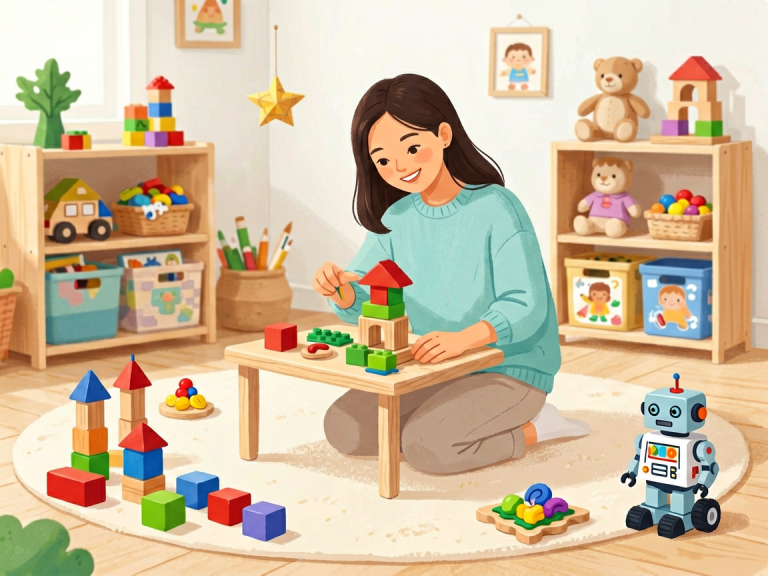
Children learn through observation and collaboration. Sit with them, ask open-ended questions (“What do you think will happen if we change this?”), and model curiosity. However, avoid solving problems for them—struggle is part of the learning process. Let them make mistakes and iterate.
2. Create a “Maker Space” at Home
Designate a small area for STEM play, with storage bins for parts, a clean workspace, and access to basic tools (scissors, tape, paper). This sends the message that tinkering is valued. Rotate toys every few weeks to keep things fresh.
3. Connect Toys to Real-World Examples
When your child builds a bridge with K’NEX, take them to see a real bridge. When they code a robot, talk about how video games or traffic lights are programmed. Real-world connections deepen understanding and motivation.
4. Avoid Gender Stereotyping
Historically, STEM toys have been marketed primarily to boys. Many brands now offer gender-neutral packaging and themes. Actively encourage all children—regardless of gender—to explore coding, building, and science. Research shows that early exposure reduces later achievement gaps.
5. Don’t Overemphasize “Screentime” Limits
While passive screen consumption (like watching videos) should be limited, active screen use for coding or interactive simulations is different. Embrace quality apps and digital tools as part of STEM learning, but maintain a balance with hands-on activities.
Common Pitfalls to Avoid:
- Buying toys that are too advanced (frustration leads to abandonment).
- Ignoring your child’s interests (a space-obsessed kid may not love chemistry).
- Prioritizing aesthetics over function (flashy lights don’t substitute for real learning).
- Assuming a single toy will cover all STEM areas (diversify over time).
Conclusion: The Journey Matters More Than the Destination
Choosing the right STEM toys does not have to be overwhelming. By focusing on age-appropriateness, open-ended design, progressive difficulty, and real-world relevance, you can build a collection that grows with your child and nurtures a genuine passion for discovery. Remember that the most important element is not the toy itself but the mindset you cultivate around it—curiosity, persistence, and joy in learning. Every failed experiment, every toppled tower, and every debugging session is a stepping stone toward resilience and creativity. So go ahead, pick up that coding robot or chemistry set, and watch your child’s imagination soar. The future belongs to those who play, explore, and never stop asking “why.” Good luck, and happy STEM shopping!