The Ultimate Guide to Buying Toys Online: Tips, Tricks, and Safety Advice
Introduction
In an era where digital storefronts have replaced physical shelves for many shoppers, buying toys online has become both a convenience and a challenge. From scouring endless product listings to deciphering age ratings and reading between the lines of customer reviews, the task can be overwhelming—especially for parents, gift-givers, or collectors seeking the perfect plaything. This comprehensive guide is designed to walk you through every stage of the online toy-buying process, helping you make informed, safe, and satisfying purchases. Whether you are hunting for a birthday present, a holiday gift, or a special addition to a collection, these strategies will turn the virtual toy aisle into a treasure trove of reliable choices.
—
Why Buy Toys Online? The Pros and Cons
Online toy shopping offers unparalleled variety. You can browse global brands, niche artisans, and vintage treasures that local stores simply cannot stock. Moreover, the ability to compare prices across dozens of retailers in minutes, access exclusive online discounts, and have items delivered directly to your doorstep saves both time and fuel. Yet there are drawbacks: you cannot physically examine the toy’s material, weight, or texture; shipping costs and delays can frustrate last-minute plans; and counterfeit or unsafe products occasionally slip through the cracks. Understanding these trade-offs is the first step toward becoming a savvy online shopper.
Key Advantage – Access to reviews: Unlike a store shelf, online listings often include hundreds of honest opinions from real users. These can reveal hidden flaws or unexpected joys that product descriptions omit.
Hidden Risk – Inaccurate product images: A photo may show a toy in perfect lighting or even with accessories that are sold separately. Always read the item description thoroughly to confirm dimensions, materials, and included parts.
—
Age-Appropriate Toys: How to Choose Wisely
Age labels on toys are not mere suggestions—they are safety guidelines based on choking hazards, small parts, and developmental suitability. When shopping online, filter your search by age group using the retailer’s built-in tools, but do not stop there. Manufacturer websites often provide more detailed “age grade” information, including recommended skill ranges. For example, a toy labeled “3+” might be safe from a choking standpoint but could still be too complex for a three-year-old’s motor skills.
Tip: Look for the ASTM (American Society for Testing and Materials) or CE (Conformité Européenne) mark in the product description. These indicate that the toy has passed recognized safety tests.
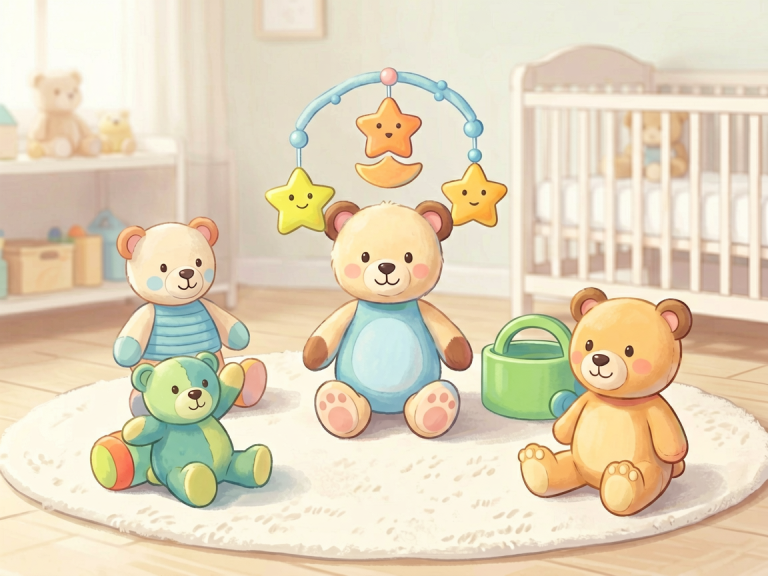
For Infants and Toddlers – Prioritize soft, washable, and non-toxic materials. Avoid toys with long strings or detachable magnets.
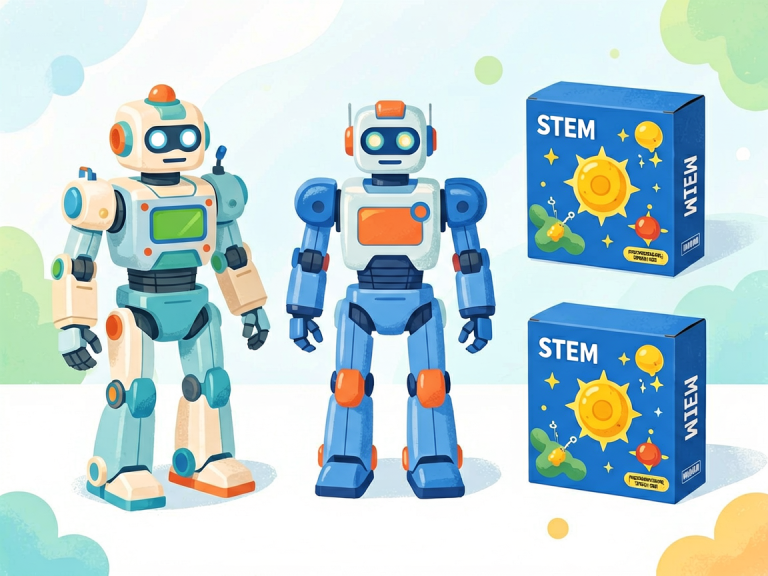
For School-Age Children – Focus on educational value, creativity, and durability. Construction sets, science kits, and arts-and-crafts supplies are excellent choices.
For Collectors – Pay attention to edition numbers, authenticity certificates, and packaging condition. Many online collectible marketplaces allow you to examine high-resolution photos of the actual item.
—
Safety First: Ensuring Toy Quality and Compliance
Safety should be your top priority, especially when toys are destined for young children. Unfortunately, online marketplaces sometimes host counterfeit products that do not meet national safety standards. To protect yourself, always buy from official brand stores or authorized retailers. If you are using a third-party platform like Amazon, eBay, or Etsy, check the seller’s history, return rate, and feedback.
Checklist for Safe Toy Shopping:
- Lead and phthalates: Look for toys labeled “lead-free” and “phthalate-free.”
- Small parts: For children under three, ensure no part is smaller than a 1.25-inch diameter (standard choke tube test).
- Battery compartments: They should be secured with screws, not just a snap lid.
- Electrical toys: Look for UL (Underwriters Laboratories) or equivalent certification.
- Recalled items: Before completing a purchase, search the toy’s model number on the Consumer Product Safety Commission (CPSC) database.
Red flags to avoid: Sellers who offer prices dramatically lower than the manufacturer’s MSRP, vague product photos, or descriptions that do not list materials or certifications.
—
Finding Reliable Sellers and Avoiding Scams
A great product is worthless if it never arrives—or arrives broken. The credibility of the seller is just as important as the toy itself. Start by using well-known, reputable platforms that have buyer protection policies (e.g., Amazon’s A-to-Z Guarantee, eBay’s Money Back Guarantee). When buying from independent websites, look for trust signals: SSL encryption (https), a physical address and phone number, and transparent return policies.
Steps to vet a seller:
- Read recent reviews, focusing on shipping speed, packaging quality, and whether the item matched the description.
- Check the seller’s response time to negative feedback—a good seller will address problems publicly.
- Avoid “too good to be true” deals. If a popular LEGO set is listed at 50% off from an unknown store, it may be a counterfeit or a phishing site.
- Use payment methods that offer fraud protection, such as credit cards or PayPal. Never wire money or use gift cards.
For niche toys (e.g., handcrafted wooden toys, vintage action figures), Etsy and specialist forums like BrickLink or The Toy Peddler can be excellent sources, but always review the seller’s shop policies and message them directly if you have questions.
—
Reading Reviews Like a Pro
Customer reviews are a goldmine—if you know how to interpret them. First, sort reviews by Most Recent to see current quality; older reviews might refer to a different batch or version. Second, look for verified purchases (often marked with a badge). Unverified reviews can be fake.
What to look for in reviews:
- Consistency: If several reviewers mention that a toy breaks within a week, take it seriously.
- Age-appropriate feedback: A parent of a four-year-old may find a puzzle too easy, while the parent of a two-year-old may love it.
- Photos: Reviews with real-life images show the actual size, color, and condition better than stock photos.
- Critical comments: Pay extra attention to negative reviews that describe safety hazards or poor material quality.
Warning signs:
- An overwhelming number of five-star reviews with generic language (e.g., “Great toy! Buy it!”) and no details.
- A high count of one-star reviews that all mention the same problem, such as broken pieces or chemical smell.
—
Price Comparison and Deals
Toys can vary dramatically in price across different online retailers. Use price comparison websites like CamelCamelCamel (for Amazon) or Google Shopping. Also, consider setting price alerts for items you intend to buy later.
Strategies for saving money:
- Buy during off-peak seasons: Toy prices often drop in late January, after the holiday rush, and during summer clearance sales.
- Subscribe to newsletters: Many toy brands offer exclusive discount codes to email subscribers.
- Use coupon browser extensions: Tools like Honey or Rakuten automatically apply promo codes at checkout.
- Consider open-box or refurbished items: For electronics or large playsets, retailer-certified refurbished toys can save you 30–50% with a warranty.
Be wary of hidden costs: Factor in shipping fees, taxes, and potential import duties if ordering from overseas. Sometimes a slightly higher-priced local seller with free shipping is cheaper overall.
—
Understanding Return and Warranty Policies
Even with careful research, you might receive a defective or incorrect toy. Before clicking “Buy,” read the return policy carefully.
Key questions to answer:
- Is there a return window? (Most retailers allow 30 days, but some limit it to 14 days during holidays.)
- Who pays for return shipping? (If the item is damaged, the seller should cover it; if you simply changed your mind, you may pay.)
- Are restocking fees applied? (This is rare for toys but worth checking.)
- Is the toy covered by a manufacturer’s warranty? (Larger brands like Fisher-Price, LEGO, and Hasbro offer warranties ranging from 90 days to one year.)
Keep all documentation: Save order confirmations, tracking numbers, and photos of the item upon arrival. For expensive toys, consider purchasing shipping insurance through the carrier.
—
Special Considerations: Educational, Eco-Friendly, and Personalized Toys
Not all toys are created equal, and online shopping allows you to filter for specific values.
Educational toys – Look for STEM/STEAM labels or detailed learning objectives in the description. Brands like Melissa & Doug, Thames & Kosmos, and KiwiCo offer well-documented age-appropriate learning outcomes.
Eco-friendly toys – Search for materials such as FSC-certified wood, organic cotton, recycled plastics, or water-based paints. Check for certifications like “GreenGuard Gold” or “OEKO-TEX Standard 100.”
Personalized toys – Many online sellers offer engraving, embroidery, or customized packaging. Ensure the customization does not add small components that could become choking hazards for younger children. Order early, as personalization often adds 5–10 business days to production.
Ethical sourcing – Research whether the brand employs fair labor practices or donates a portion of profits to children’s charities. Some websites, like “The Grommet” or “Uncommon Goods,” curate products with social impact in mind.
—
Conclusion: Final Shopping Tips
Buying toys online does not have to be a gamble. By following the steps outlined in this guide—prioritizing safety, verifying seller credibility, scrutinizing reviews, comparing prices, and understanding return policies—you can navigate the digital marketplace with confidence. Remember to start your search early, especially during peak holiday seasons, and always measure the space where the toy will be used (oversized playsets are a common surprise).
Finally, embrace the joy of discovery without forgetting the bottom line: a toy’s true value lies not in its price tag or brand name, but in the laughter, creativity, and learning it sparks in the child (or the kid at heart) who receives it. Happy shopping, and may your virtual cart be filled with winners.