Beyond the Screen: The Best Screen-Free Gifts That Spark Wonder in a Two-Year-Old
In an age where digital devices seem to beckon from every corner, finding truly meaningful, developmentally appropriate gifts for a two-year-old can feel like a quiet rebellion. At this magical age, toddlers are not just growing; they are exploding into the world with curiosity, testing boundaries, and building the foundational skills of language, motor coordination, and social-emotional understanding. Screens—even the most “educational” apps—often steal precious time from hands-on exploration, sensory discovery, and real human connection. The best gifts for a two-year-old are those that invite touch, sound, movement, and imagination without a single pixel. They foster independence, problem-solving, and the sheer joy of doing, rather than watching. Below, I have curated a comprehensive guide to screen-free gifts that will captivate, challenge, and delight a two-year-old, while supporting every aspect of their rapid development.
—
The Power of Sensory Play: Gifts That Engage All Five Senses
A two-year-old’s brain is a busy construction site, building neural connections at a breathtaking pace. Sensory play—activities that stimulate sight, sound, touch, smell, and even taste—is the raw material for this neurological architecture. Unlike a flashing screen that demands passive attention, sensory toys invite active exploration, allowing a child to control the pace and depth of their learning. One of the most beloved sensory gifts is a high-quality sensory bin kit. Instead of a plastic box of prefilled slime, choose a large, shallow wooden tray or a sturdy plastic bin with a lid. Fill it with a mix of dry rice, lentils, or oatmeal, and add child-safe scoops, small jars, silicone muffin cups, and a few natural treasures like pinecones, smooth stones, or wooden blocks. Two-year-olds will spend twenty minutes or more pouring, scooping, sifting, and hiding objects—a deeply calming, focused activity that strengthens fine motor muscles and teaches cause and effect.
Another outstanding sensory gift is a set of textured playdough tools and natural dough. While commercial playdough is fine, consider gifting a homemade dough (or a kit with organic, non-toxic ingredients) along with wooden rollers, patterned stampers, and small plastic knives. The act of squishing, rolling, and cutting is not just fun; it builds hand strength essential for later writing. Add a few drops of essential oil (lavender or chamomile, diluted) to the dough for a subtle olfactory experience. “Scented” doughs can be a calming bedtime activity or a cheerful morning exploration. For a truly screen-free twist, include a small silicone ice cube tray and let the child make “dough cupcakes,” practicing pretend play without any digital prompts.
Water play toys also belong in this category. A simple splash-proof apron plus a set of measuring cups, funnels, and floating animals, used in the bathtub or a shallow basin on the floor, turns water into a sensory classroom. Pouring from one container to another teaches volume and “empty” versus “full,” while squeezing a turkey baster or a small squirt bottle builds hand-eye coordination. All of this happens without a single app, and the mess is part of the magic.
—
Building Brains and Bodies: Fine Motor and Construction Toys
At two, little fingers are learning to manipulate the world. Fine motor gifts help them refine the precise movements needed for buttoning, drawing, and eventually writing. Unlike a touchscreen, which requires only a swipe, real manipulatives demand grip, pinch, and release. One of the finest screen-free gifts in this realm is a wooden peg puzzle with knobs or large, easy-to-grasp pegs. Look for puzzles that depict familiar objects—animals, vehicles, or shapes—and that have a matching picture underneath. The cognitive challenge of matching shape to space, combined with the physical act of lifting and placing, engages the whole child. As they master one puzzle, they gain confidence and the desire to try another.
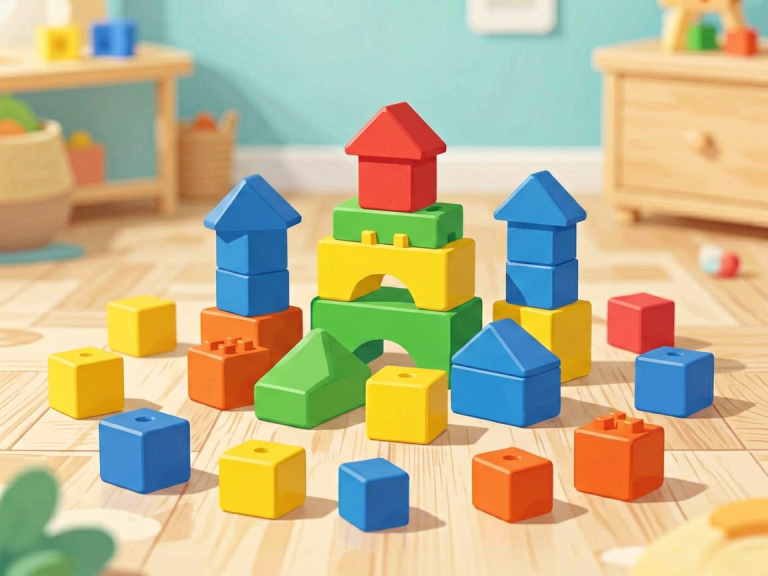
Stacking and nesting toys are classics for good reason. A set of rainbow wooden stackers—those curved, interlocking arcs in vibrant colors—offers endless possibilities. A two-year-old can stack them high, nest them inside each other, or line them up like a bridge for toy cars. The open-ended nature means no two play sessions are the same. Similarly, a set of large, lightweight building blocks (wooden or chunky cardboard) encourages spatial reasoning and creative construction. Watch a toddler build a tower, knock it down with a delighted shriek, and build it again—this is a profound lesson in cause, effect, and resilience. No screen can replicate the tactile feedback and physical triumph of a block tower that stands on its own.
For a gift that doubles as a practical tool, consider a threading or lacing set. Large wooden beads with thick, dull-tipped laces are perfect for twos. Threading requires bilateral coordination (using both hands together) and a steady pincer grasp. A child who can thread a bead onto a string is practicing the same motor sequence used in zipping a jacket or tying a shoe—all without a screen near by. Many lacing sets come with animal or shape figures that make the activity feel like a game rather than a task.
—
Music, Rhythm, and the Joy of Noise
Two-year-olds are natural musicians. They bang, shake, and clap their way through the day, experimenting with volume and tempo. A screen-free musical instrument gift set feeds this primal love of sound while developing auditory discrimination and rhythm. Unlike a digital music app that plays a pre-recorded song, real instruments require the child to produce the sound themselves—a powerful lesson in agency. The ideal instrument for this age is the shaker egg or maraca. They are easy to grip, impossible to hurt oneself with, and produce a satisfying rattle. Pair a set of shaker eggs with a few jingle bells on a strap or a small hand drum (with a soft mallet). The child can shake along to a song you sing, or create their own “orchestra” by shaking fast or slow.
A xylophone with a mallet is another superb choice. Look for one made of wood or metal with clearly colored keys. Two-year-olds will bash away, listening to the different pitches. Over time, they may begin to notice that the blue key sounds different from the red key. This is early music theory, learned through joyful trial and error. If you want to go a step further, a simple set of rhythm sticks (two wooden dowels) allows for tapping on the floor, on a box, or together. You can model a simple beat like “tap-tap-tap” and watch them imitate, building attention span and listening skills.
For the more contemplative child, rain sticks or ocean drums offer a gentle, mesmerizing sound. A rain stick simulates the patter of rain when tilted; an ocean drum is a shallow drum with small beads inside that mimic waves when swished. These are perfect for quiet time or before bed—a screen-free way to soothe a busy mind. And because they are durable and beautiful, they often become treasured family heirlooms.
—
Active Play: Moving, Climbing, and Balancing
A two-year-old’s body is in constant motion—running, jumping, climbing, and falling with equal enthusiasm. Gifts that encourage large motor development are not just fun; they are essential for building strength, coordination, and body awareness. Screens, with their sedentary demands, cannot provide the vestibular input that comes from spinning, swinging, or balancing. One of the best gifts in this category is a small, indoor climbing structure—a foam climbing block or a sturdy, low wooden Pikler triangle. The Pikler triangle, a triangular frame with rungs, invites a child to climb up and over, building core strength and spatial risk assessment. Many models fold flat for storage, and they can be paired with a ramp or a cushion for added challenge.
Push and pull toys are also wonderful for this age. A wooden push cart filled with blocks or a wagon can be loaded with treasures and pulled around the house or yard. The act of balancing the load as they walk teaches gait control. Alternatively, a ride-on toy with no pedals—a flat wooden car or a scooter board—lets a toddler push along with their feet, building leg strength and balance. For outdoor enthusiasts, a lightweight plastic or wooden balance bike (without training wheels) is the ultimate gift. A two-year-old can sit on it and walk their feet, learning to steer and balance naturally. They will not realize they are practicing crucial motor skills; they will simply be having the time of their lives.
Balls of various sizes and textures are often overlooked as gifts, yet they are profoundly educational. A soft, large ball that can be rolled back and forth between a parent and child teaches social reciprocity and hand-eye tracking. A slightly deflated beach ball can be hit upward, encouraging proprioception (knowing where your body is in space). And a set of lightweight fabric balls can be thrown into a laundry basket, turning the living room into a joyful game of “basketball.” No screen required—just laughter and movement.
—
Pretend Play and Storytelling: The World of Make-Believe
At two, a child’s imagination takes off. They begin to imitate adult activities, from cooking to telephoning to caring for a doll. Screen-free gifts that support pretend play are invaluable because they allow the child to become the director of their own stories. A toy kitchen or play food set is a classic for a reason. Look for wooden versions with non-toxic paint, including pots with lids, a wooden spatula, and a few felt or wooden fruits that can be sliced with a Velcro knife. Two-year-olds will cook you a “meal” of imaginary soup, then serve it on a tiny plate, practicing social scripts and language. They learn the concept of “giving” and “receiving”—a cornerstone of empathy.
Dolls, stuffed animals, and doll accessories are equally powerful. A simple baby doll with a removable outfit, a small bed, and a bottle allows a child to replicate caregiving actions they see at home. They might feed the doll, put it to sleep, or wrap it in a blanket. This dramatic play helps them process their own experiences—like a doctor visit or a parent leaving for work—and builds emotional regulation. No video can teach a child how to soothe a crying doll; only real, hands-on practice can.
Puppets (hand puppets or finger puppets) open up a world of dialogue and character exploration. A simple sock puppet with googly eyes can be made even more appealing if it has a movable mouth. When a parent (or the child) uses the puppet to speak, they are practicing narrative thinking and turn-taking in conversation. Puppets are also excellent for shy children, giving them a “voice” that is slightly removed from themselves. To add another layer, consider felt storyboards or flannel board sets with farm animals, forest creatures, or fairy-tale characters. The child can arrange and rearrange the scenes, telling their own stories without any words at all.
—
The Gift of Reading: Books That Do Not Light Up
While screens can present stories, a physical book offers a sensory and emotional experience that no tablet can rival: the crinkle of a page, the weight of the book in small hands, the pleasure of turning a page to reveal a surprise. The best screen-free gift for a two-year-old is a collection of durable, engaging board books that encourage interaction. Look for lift-the-flap books (like “Where’s Spot?”), books with touch-and-feel patches (furry, bumpy, shiny), and sound books that require a finger to press a button—but note that I recommend sound books with *real* buttons, not screens. These press-button sound books, like ones that play animal noises or vehicle sounds, give the child control over the audio, unlike a passive screen.
Personalized books—where the child’s name is woven into the story—are a phenomenal gift. They help the child see themselves as active participants in a narrative. Another excellent category is rhyming and repetitive books, such as “Brown Bear, Brown Bear, What Do You See?” or “Chicka Chicka Boom Boom.” Children thrive on predictability; they love to “read along” by filling in the rhyme. This builds phonological awareness, a key precursor to reading.
For a gift that combines art and storytelling, consider a set of story-dice—large wooden cubes with pictures on each face. The child rolls the dice and then, with your help, creates a simple story based on the images. “The cat went to the beach… then a star fell from the sky!” This cultivates narrative logic and vocabulary in a playful, totally unplugged way.
—
Why Screen-Free Matters: A Closing Thought
Choosing screen-free gifts for a two-year-old is not about rejecting technology; it is about embracing the irreplaceable richness of real-world experience. When a child builds a tower that falls and rises again, they learn persistence. When they shake a maraca to match their mother’s humming, they learn collaboration. When they cuddle a board book and point at a picture of a dog, they learn love for language. None of this happens on a screen. The gifts described above—sensory bins, wooden puzzles, musical instruments, climbing triangles, play kitchens, and beautiful books—are not just toys. They are invitations to explore, to create, to move, and to connect. In a world that constantly pushes for faster, louder, and more digital, these gifts offer a quiet, profound counterpoint: the permission to be a child, fully and joyfully, without a screen in sight. Choose one, or choose a handful, and watch a two-year-old discover the wonder that has always been there—in their own two hands, in the sound of a bell, in the weight of a block. That is the best gift of all.