The Ultimate Guide to the Best Toy Gifts for 3-Year-Olds: Nurturing Growth Through Play
Introduction
Selecting the perfect gift for a three-year-old can feel like navigating a miniature wonderland of possibilities. At this vibrant age, children are no longer babies but not yet preschoolers in the formal sense; they are curious explorers, budding conversationalists, and energetic movers. Their brains are developing at an astonishing rate, with language skills exploding, imagination taking flight, and fine and gross motor skills refining daily. The best toy gifts for three-year-olds are those that honor this unique developmental stage—toys that are safe, engaging, and deliberately designed to support learning through play. Whether you are a parent, grandparent, aunt, or friend, understanding what makes a toy truly beneficial for a three-year-old can transform gift-giving from a guessing game into a meaningful contribution to a child’s growth. This comprehensive guide will walk you through developmental considerations, essential criteria, top toy categories, specific recommendations, safety tips, and how to tailor your choice to the individual child, ensuring that your gift brings joy and value for months—or even years—to come.
Understanding the 3-Year-Old Developmental Stage
Three-year-olds live in a world of “why,” “how,” and “let’s pretend.” Cognitively, they are moving from sensorimotor exploration to symbolic thinking. They can sort objects by color and size, follow two- or three-step instructions, and engage in simple problem-solving. Their memory is improving, allowing them to recall recent events and recognize familiar stories. Language skills take a giant leap: many three-year-olds speak in short sentences, ask endless questions, and enjoy rhyming and silly sounds. Socially, they begin to understand turn-taking and simple rules, although sharing remains a challenge. They love parallel play but also start to engage in cooperative play with peers. Emotionally, they experience a wide range of feelings and may express frustration or excitement dramatically. Physically, they can walk up and down stairs with alternating feet, pedal a tricycle, throw a ball overhand, and manipulate small objects with increased dexterity. The best toys for this age actively engage these developing abilities—challenging without frustrating, encouraging creativity without overstimulation, and promoting independence while allowing for adult interaction.
Key Criteria for Choosing Toys for 3-Year-Olds
Before diving into specific toy recommendations, it is essential to apply a thoughtful set of criteria. First and foremost, safety is non-negotiable. Toys should be free of small parts that could pose a choking hazard, made from non-toxic materials (look for labels like ASTM, CPSC, or EN71 compliance), and have no sharp edges or long cords that could strangle. Open-endedness is another critical factor: toys that can be used in multiple ways foster creativity and longer play value. For instance, a set of wooden blocks can become a castle one day and a parking garage the next, while a single-function battery-operated toy may lose its appeal quickly. Durability matters because three-year-olds are not always gentle; they drop, throw, and test limits, so toys made from sturdy wood, thick plastic, or high-quality fabric endure better. Educational value should be inherent, not forced—toys that naturally encourage counting, letter recognition, cause-and-effect, or problem-solving are excellent. Finally, consider the child’s interests and developmental level. A child who loves animals may adore a barn playset, while a more active child might prefer a balance bike. Avoid toys that are too advanced (which cause frustration) or too simple (which bore quickly). By applying these criteria, you can narrow down the endless options to those that truly support a three-year-old’s growth.
Top Categories of Toys for 3-Year-Olds
The best toys for three-year-olds generally fall into a few powerful categories, each targeting different areas of development.
Construction and Building Toys
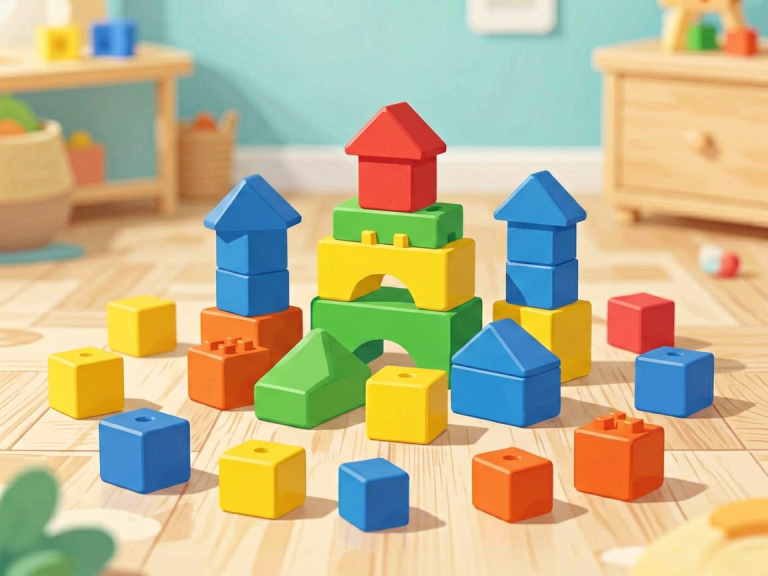
Building toys are timeless because they engage fine motor skills, spatial awareness, creativity, and early engineering concepts. Wooden blocks (like classic unit blocks or sets with unique shapes) remain a staple. Magnetic building tiles (such as Magna-Tiles or PicassoTiles) are particularly beloved—they connect easily, allow for 2D and 3D constructions, and introduce basic geometry. Large interlocking bricks (duplo-sized LEGO sets) are perfect for small hands and come with themed sets (e.g., fire station, farm, castle) that encourage imaginative play. These toys have no single “right” way to play; children can build towers, houses, animals, or abstract creations, making them ideal for repeated use.
Pretend Play and Role-Playing Toys
At three, children’s imaginations are in full bloom. Pretend play helps them make sense of the adult world, process emotions, and develop language and social skills. Kitchen sets, tool benches, doctor kits, and dollhouses are classic favorites. Costumes—such as firefighter hats, princess dresses, animal suits, or superhero capes—invite kids to step into different roles. Play food, tea sets, and shopping carts allow for daily-life dramas. One particularly engaging option is a wooden play food set with cutting pieces that “slice” with Velcro; this adds a fine-motor challenge to the fun. A simple cash register with play money introduces basic math concepts.
Arts, Crafts, and Sensory Play
Three-year-olds love to create and explore textures. Art supplies should be age-appropriate and mess-friendly: washable markers, chunky crayons, finger paints, and watercolor sets. Sticker books, play dough (homemade or commercial, like Play-Doh), and modeling clay encourage sensory exploration and fine motor development. Dot markers (bingo daubers) are a hit because they are easy to grip and produce colorful results without mess. Simple craft kits—like making a mask or decorating a wooden animal—foster concentration and pride in finished products. Sensory bins filled with rice, beans, sand, or water (with scoops, funnels, and containers) provide hours of tactile play and can be themed (e.g., a dinosaur dig or ocean exploration).
Gross Motor and Outdoor Toys
Physical activity is crucial for three-year-olds, who need opportunities to run, jump, climb, and balance. Ride-on toys like a sturdy tricycle, balance bike (no pedals—just feet on the ground), or push car are excellent for leg strength and coordination. A small slide, toddler trampoline with a handlebar, or a set of stepping stones helps with balance. Balls of various sizes (soft, bouncy, textured) for throwing, catching, and kicking develop hand-eye coordination. A simple sandbox with a shovel and pail remains a wonderful outdoor gift. For indoors, consider a foam climbing set or a play tunnel that sparks obstacle-course adventures.
Puzzles and Early Learning Games
Puzzles for three-year-olds typically have 4 to 12 large, chunky pieces with familiar themes (animals, vehicles, shapes). These enhance problem-solving, spatial reasoning, and patience. Floor puzzles with larger pieces are especially engaging because children can work on them lying down or in groups. Matching games, such as memory card games with simple images, strengthen attention and memory skills. Sequencing games—like putting three picture cards in order to tell a story—support narrative thinking. Simple board games designed for ages 3+ (e.g., “The Sneaky, Snacky Squirrel Game” or “Hoot Owl Hoot!”) teach turn-taking, following rules, and emotional regulation, all while having fun.
Musical Toys
Three-year-olds are naturally drawn to sounds and rhythm. A child-sized xylophone, maracas, tambourine, or a simple drum set (like a bongo) allows them to experiment with beats and melodies. Musical instrument sets that include multiple pieces encourage group play. More sophisticated options include a small electronic keyboard with child-friendly settings or a ukulele made for small hands. Music fosters auditory discrimination, motor coordination, and emotional expression. Even a simple karaoke microphone (with echo effects) can delight a talkative three-year-old.
Specific Toy Recommendations That Stand Out
While the categories above provide guidance, certain toys have earned reputations for being particularly exceptional for three-year-olds. Magna-Tiles (or similar magnetic tiles) are often called the “gold standard” of building toys because of their durability, magnetic strength, and translucent colors. The Melissa & Doug Wooden Cutting Food Set is a classic that never fails to engage children in pretend cooking while improving hand strength. Fat Brain Toys’ “Tobbles Neo” stacking toy with weighted, wobbling spheres teaches balance and cause-and-effect in a visually stimulating way. Yoto Player (a screen-free audio player that uses cards) is a brilliant gift for story lovers; it provides hours of listening to stories, songs, and podcasts without requiring a screen. Step2’s Push Around Buggy is a large ride-on toy that two children can share, encouraging cooperative play. Manhattan Toy’s “Skwish” is a wooden rattle-like toy that has been updated for older toddlers; its elastic strings and moving beads fascinate small fingers. Brio’s First Railway Set (wooden train tracks with a battery-operated engine) introduces basic engineering and storytelling. For art, Crayola’s My First Palm-Grip Crayons are ergonomically designed for tiny hands and produce vivid colors. Each of these toys aligns with the developmental needs of three-year-olds—encouraging exploration, creativity, and independence, while being safe and durable.
Safety Considerations and Tips
When purchasing toys for three-year-olds, safety vigilance is paramount. Always check the age recommendation on the package; toys labeled for ages 3+ have passed stringent tests for small parts and other hazards. However, even within this age group, be mindful of toys that come with detachable pieces that could fit through a toilet paper tube (the standard choking hazard test). Avoid toys with button batteries that can be swallowed; if a toy requires batteries, ensure the compartment is secured with a screwdriver. Cords and strings longer than 12 inches pose a strangulation risk. For ride-on toys, always include a properly fitted helmet. Paint and materials should be non-toxic (look for “non-toxic” or “lead-free” labeling). Heavy toys that could tip over (like tall dollhouses or large ride-ons) should be stable. Inspect toys regularly for broken parts, splinters, or peeling paint. For outdoor toys, ensure they are UV-resistant and weather-resistant. Finally, always supervise play, especially with new toys or those that involve small pieces. By prioritizing safety, you can give a gift that brings joy without worry.
How to Choose the Perfect Gift for a Specific Child
Even with the best general advice, the most thoughtful gift is one that matches the individual child’s personality, interests, and home environment. Observe the child in play: Are they drawn to building, pretend play, art, or active movement? Ask the parents about current obsessions (dinosaurs, trains, princesses, construction vehicles). A child who loves animals might adore a realistic animal figurine set (like Schleich or Safari Ltd.), while a future chef would love a play kitchen. Consider the family’s space—some toys, like an easel or large play kitchen, require substantial floor area. For families with limited space, choose compact options like travel art kits or small magnetic tiles sets. Also think about longevity: a toy that grows with the child, such as a balance bike that converts to a pedal bike later, offers better value. Finally, consider social dynamics: a toy that can be played with siblings or friends (like a sand table or double-sided easel) may be more appreciated than a solitary toy. If you are unsure, gift cards to a well-stocked toy store (or a subscription to a toy rental service like Lovevery) allow parents to choose what fits best.
Conclusion
The best toy gifts for three-year-olds are far more than momentary distractions; they are tools that scaffold cognitive, physical, social, and emotional development during a magical window of growth. From magnetic tiles that teach geometry to play dough that strengthens fingers, from balance bikes that build confidence to puzzles that cultivate patience, the right toy can become a child’s cherished companion in learning. By focusing on safety, open-endedness, durability, and developmental appropriateness, you can select a gift that will be used, loved, and remembered long after the wrapping paper is recycled. Remember, the ultimate goal is not to overwhelm a child with choices, but to invite them into a world of discovery where play is the most natural teacher. Whether you choose a classic wooden train set or a modern audio player, the gift of thoughtful play is one of the most meaningful you can give—and receive, as you watch a three-year-old’s eyes light up with wonder.