Building a Safer Future: The Essential Guide to Safe Building Toys for Kids
Introduction: Why Safety Matters in Building Toys
In a world where children's playtime is increasingly dominated by screens, building toys remain a timeless gateway to creativity, problem-solving, and fine motor development. From classic wooden blocks to modern magnetic tiles, these toys encourage kids to construct everything from simple towers to complex architectural marvels. Yet, as any parent or educator knows, the excitement of construction must be balanced with an unwavering commitment to safety. Every year, thousands of children visit emergency rooms due to toy-related injuries, many of which could have been prevented with proper selection and supervision. This article delves into the critical aspects of safe building toys for kids, exploring material science, design principles, age-appropriate choices, and regulatory standards. By understanding what makes a building toy truly safe, we can ensure that play remains not only educational and fun but also free from unnecessary hazards.
Material Safety: The Foundation of Trust
The first line of defense in safe building toys lies in the materials used. Parents often assume that if a toy is sold in a reputable store, it must be safe—but this is not always the case. High-quality building toys are manufactured from non-toxic, durable, and, where possible, sustainable materials. Here, we break down the most common options:
Wooden Blocks: Natural and Non-Toxic
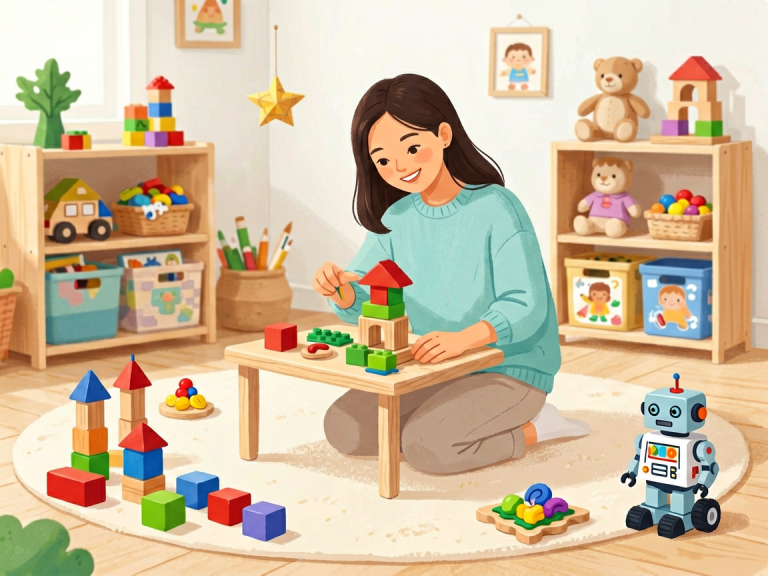
Wooden building blocks have been a staple for generations, and for good reason. When sourced responsibly, they offer a tactile, chemical-free play experience. The safest wooden toys are made from solid hardwoods like maple, beech, or birch, finished with water-based, non-toxic paints or natural oils. Avoid toys with glossy finishes that may contain lead or phthalates—common in cheaper imports. Additionally, wooden blocks should be free from splinters, sharp edges, and small parts that could break off. Look for certifications such as the ASTM F963 (American Society for Testing and Materials) or EN 71 (European standard), which guarantee rigorous testing for harmful substances.
Plastic and ABS: Strong but Choose Wisely
Many modern building toys, such as interlocking bricks and magnetic tiles, are crafted from plastic. The safest plastics are made from food-grade, BPA-free ABS (Acrylonitrile Butadiene Styrene). ABS is tough, lightweight, and resistant to impact, making it ideal for construction play. However, parents must be vigilant about soft, squishy plastics that may contain phthalates—endocrine disruptors linked to developmental issues. Reputable brands like LEGO, Magna-Tiles, and PicassoTiles clearly label their products as phthalate- and BPA-free. Avoid any plastic that emits a strong chemical odor, as this often indicates low-quality manufacturing.
Silicone and Foam: Soft Options for Younger Builders
For toddlers and infants, soft building toys made from food-grade silicone or high-density foam offer a safer alternative. These materials are pliable, non-toxic, and free from sharp edges. Silicone blocks can be chewed without risk, while foam blocks, often resembling giant puzzle pieces, provide safe, quiet play. Ensure that silicone toys are labeled as "100% food-grade" and that foam toys are CertiPUR-US certified (meaning they are free from heavy metals, formaldehyde, and ozone depleters). Always check for choking hazards—even soft toys can have small detachable parts.
Design and Structural Safety: Preventing Injuries
Even with safe materials, poor design can turn a wonderful toy into a hazard. The geometry, weight, and interlocking mechanisms of building toys must be carefully engineered to prevent pinching, tipping, or sudden collapse.
Rounded Edges and Smooth Surfaces
Sharp edges are a common source of cuts and bruises, especially for younger children who are still developing motor control. The best building toys feature rounded corners, smooth surfaces, and no protruding parts. For magnetic building sets, magnets must be securely encased to prevent swallowing—a serious medical emergency. The U.S. Consumer Product Safety Commission (CPSC) has recalled numerous magnetic toys due to loose magnets; always choose brands that use "rare earth" magnets fully embedded in plastic.
Stability and Weight Distribution
Towering structures can be exciting, but they also pose a risk of tipping over and causing impact injuries. High-quality building toys are designed with stability in mind—blocks are often weighted at the base or designed with interlocking mechanisms that create a solid foundation. For example, larger wooden unit blocks have a standard size ratio that allows for balanced stacking. Magnetic tiles, when properly aligned, create strong magnetic connections that prevent accidental collapse. Parents should also consider the play surface: a soft rug or mat can cushion falls, but never place building toys on elevated surfaces like tables near stairs.
Size and Choking Hazards
Choking remains the leading cause of toy-related fatalities in children under three. Building toys must be sized appropriately: for infants and toddlers, every piece should be larger than 1.25 inches in diameter (the standard "small parts" test cylinder used by CPSC). Many building sets specifically for ages 3+ advertise "large" pieces that are easy to grasp. However, even for older children, be cautious of small accessories like wheels or flags that can detach. The "choke tube" test is simple: if a piece can fit entirely into a toilet paper roll, it is a choking hazard for a child under three.
Age Appropriateness: Matching Toys to Development
No single building toy is safe for all ages. A toy that challenges a 7-year-old may be dangerously complex for a 2-year-old. Manufacturers provide age recommendations on packaging, but these are often based on developmental skills, not just safety. Understanding developmental milestones helps parents make informed decisions.
Infants and Toddlers (0–2 Years): Sensory and Gross Motor
For the youngest builders, safety means no small parts, no sharp edges, and no toxic materials. Soft fabric blocks, large silicone stacking cups, or foam construction sets are ideal. At this age, children explore by mouthing, throwing, and banging. Toys should be sturdy enough to withstand bites and drops without breaking into small pieces. Avoid any toy that contains magnets, batteries, or long strings that could pose strangulation risks.
Preschoolers (3–5 Years): Simple Construction and Fine Motor
Preschoolers are ready for interlocking blocks, magnetic tiles, and larger Duplo-style bricks. At this stage, children can follow simple instructions but still lack impulse control. Choose sets with pieces that are at least 1.5 inches in any dimension. Look for designs that snap together securely but can be separated by small hands without frustration. Also, avoid sets with tiny decorative elements like plastic eyes or stickers that can peel off and be swallowed.
School-Age Children (6–12 Years): Complex Engineering
Older children thrive on intricate sets with hundreds of pieces, including gears, axles, and motors. Safety concerns shift to electrical components (if any) and small mechanical parts. Ensure that battery compartments are secured with screws (not accessible by children), and that moving parts have no pinch points. For advanced building toys like metal erector sets, ensure edges are rolled or covered to prevent cuts. Also, be mindful of string or cord used in some construction sets—they should be under 12 inches to avoid strangulation hazards.
Regulatory Standards and Certifications: The Global Safety Net
Even the most conscientious parent cannot test every toy. That is why international safety standards exist. When shopping for building toys, look for one or more of these certifications on the packaging:
• ASTM F963 (United States): Covers mechanical, physical, and chemical hazards.
• EN 71 (European Union): Comprehensive safety requirements including flammability, migration of elements, and choking hazards.
• ISO 8124 (International): Harmonized standards for toy safety.
• CPSC (U.S. Consumer Product Safety Commission): Recalls and safety alerts.
• CE Marking (Europe): Indicates conformity with health, safety, and environmental standards.
Additionally, many reputable brands voluntarily submit to third-party testing by organizations like the Toy Safety Certification Laboratory (TSCL) or Bureau Veritas. Do not rely solely on "non-toxic" claims on the front of the box; check the fine print for specific lab certifications.
Educational Benefits: Why Safe Toys Are Worth the Investment
Safety is not just about avoiding harm—it is about creating an environment where learning can flourish. Safe building toys offer profound developmental benefits across multiple domains:
Cognitive Development and STEM Learning
Building toys introduce children to basic principles of physics, geometry, and engineering from an early age. When a child builds a bridge that collapses, they learn about weight distribution and balance. Safe toys allow trial and error without fear of injury. Studies have shown that children who engage in construction play show improved spatial reasoning and mathematical skills later in life.
Fine Motor Skills and Hand-Eye Coordination
Manipulating small blocks, aligning magnetic tiles, or snapping connectors together requires precise hand movements. This repetition strengthens the small muscles in the hands and fingers, preparing children for writing and other fine motor tasks. The tactile feedback from safe, well-made materials (like the satisfying click of LEGO bricks) enhances sensory integration.
Social and Emotional Growth
Building toys also encourage collaboration. When children build together, they negotiate roles, share materials, and solve problems collectively. The safety of the toy allows them to focus on interaction rather than worry about injury. Furthermore, the pride of completing a structure boosts self-confidence. Because safe toys are durable, they can be passed down through siblings or reused for years, reinforcing a sense of stability and sustainability.
Practical Tips for Parents and Educators
To ensure safe play, here are actionable steps:
- Inspect toys regularly. Check for cracks, splinters, loose magnets, or frayed strings. Discard any damaged pieces immediately.
- Supervise young children. Even with safe toys, active supervision prevents accidents. Never leave a toddler alone with building sets that have small parts.
- Avoid second-hand toys unless verified. Hand-me-downs may not meet modern safety standards, especially regarding lead paint or phthalates. If you accept used toys, sand any rough edges and repaint with non-toxic paint.
- Store toys appropriately. Keep building sets in labeled containers to prevent small parts from scattering. Use bins with secure lids to avoid tripping hazards.
- Read reviews and recall lists. Websites like the CPSC's SaferProducts.gov and HealthyStuff.org provide databases of toy testing results.
Conclusion: Building Skills, Not Risks
Safe building toys for kids are not a luxury—they are a necessity. By prioritizing materials that are non-toxic, designs that are child-friendly, and certifications that guarantee rigorous testing, we can provide our children with the tools they need to imagine, create, and learn without unnecessary danger. In an era of mass production and online shopping, it is easy to overlook safety in favor of price or trendiness. But the true cost of an unsafe toy is measured in preventable injuries and lost confidence. Let us choose wisely. Let us build a safer future, one block at a time.
*(Word count: 1,289)*