Best Toys for Kids Who Love Animals: A Comprehensive Guide to Sparking Wonder and Learning
Children have an innate fascination with animals. From the tiniest ladybug to the majestic elephant, the animal kingdom offers endless opportunities for curiosity, empathy, and discovery. For kids who are naturally drawn to creatures great and small, the right toys can transform this interest into a powerful learning experience. Choosing the best toys for animal-loving children means looking beyond simple entertainment; it means selecting items that encourage imaginative play, foster a sense of responsibility, teach biology and ecology, and even build fine motor skills. In this guide, we will explore the top categories of toys that will delight any young animal enthusiast, from toddlers to preteens, and explain why each type is so valuable for development.
The Power of Animal-Themed Play in Childhood Development
Before diving into specific toys, it is important to understand why animal-themed toys are so beneficial. Research in child psychology shows that children often project their own emotions onto animals, using them as safe proxies to explore feelings like fear, joy, and compassion. Playing with animal toys can help kids develop empathy as they care for a stuffed puppy or rescue a plastic dolphin. Additionally, animal toys naturally introduce concepts of classification, habitat, diet, and behavior. A child who arranges farm animals by size or matches sea creatures to ocean cards is practicing early mathematical and scientific thinking. The best toys turn this natural curiosity into structured yet open-ended learning. They also provide a bridge to nature, encouraging outdoor exploration and respect for living things.
Realistic Animal Figurines: Building a Miniature World
One of the most classic and enduring toy categories for animal lovers is realistic animal figurines. Brands like Schleich, Papo, and Safari Ltd. produce highly detailed, hand-painted models that range from domestic pets to exotic wildlife. These figurines are not just collectibles; they are tools for storytelling, sorting, and habitat creation. A set of Arctic animals can become the center of a play-snow scene, while a collection of African savanna creatures sparks conversations about predators, prey, and migration.
What makes figurines especially valuable is their versatility. A three-year-old might simply enjoy lining them up and naming them, building language skills and vocabulary. A six-year-old might use them to reenact a documentary scene, developing narrative thinking. An eight-year-old can pair them with geography books to learn where each animal lives. Unlike digital toys, figurines require children to use their imagination to generate action and dialogue. They also encourage fine motor control through careful positioning. For the best experience, look for sets that include both male and female animals, babies, and habitat elements like trees or rocks. This allows children to create complete ecosystems and learn about family structures in the wild.
Interactive Robotic and Electronic Animal Toys
Technology has opened up exciting new possibilities for animal-themed play. Interactive robotic toys, such as the FurReal Friends series, Zoomer robotic dogs, or the recently popular Loona robot pet, mimic real animal behaviors with impressive accuracy. They respond to touch, voice commands, and gestures, offering a simulated pet ownership experience. These toys are excellent for children who are not yet ready for the responsibility of a live pet, or for families who live in apartments where real animals are not allowed.
The educational value here is twofold. First, children learn cause and effect: patting the toy’s head triggers a purr, while ignoring it might make the toy whine for attention. This builds understanding of basic programming logic in a playful context. Second, these toys teach basic responsibility. Many require feeding (with fake food), grooming, or taking to a "vet" for check-ups. While the consequences are not real, the routines help children internalize the concept of caring for another being. For older kids, programmable robots like the Makeblock mBot Ranger can be built to resemble animals and then coded to walk or turn, blending robotics with zoology. The key is to choose electronic toys that encourage interaction rather than passive watching. Avoid ones that simply play a static video; look for those that respond dynamically.
Animal-Themed Building Sets and Construction Toys
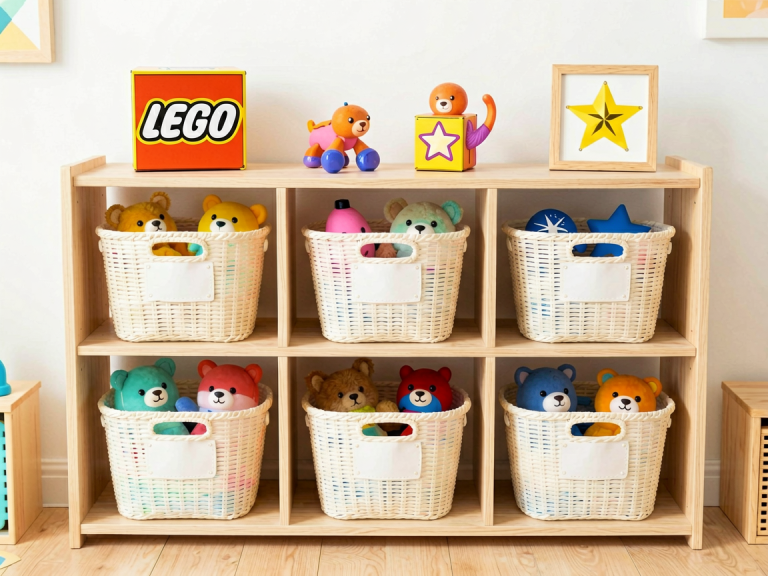
Building blocks and construction sets have long been staples of childhood, but when combined with an animal theme, they become even more engaging. LEGO Creator sets, for example, offer models of lions, peacocks, and even dinosaurs. The LEGO Friends animal rescue sets allow children to build clinics, pet stores, and safari vehicles. Similarly, Magna-Tiles or wooden block sets with animal prints or characters enable children to design enclosures, zoos, and natural habitats.
These toys develop spatial reasoning, problem-solving, and perseverance. A child building a stable barn for a plastic horse must figure out how to balance walls and create a roof, an exercise in engineering thinking. More importantly, construction toys with animal themes encourage children to think about the needs of animals: what kind of shelter does a polar bear need? How high should a giraffe's enclosure fence be? This fosters empathy and environmental awareness. For added depth, combine building with geography by challenging your child to build a habitat for a specific biome. You can even incorporate simple physics by testing which structures survive an "earthquake" (a shake of the table) or "storm" (a fan blowing).
Educational Puzzles, Games, and Memory Cards
Puzzles and board games with animal themes are brilliant tools for learning while having fun. Floor puzzles featuring a coral reef or a rainforest canopy teach children about animal diversity and interdependence. Memory matching games with animal cards improve concentration and recall. Board games like *Wildcraft!* or *The Animal Game* introduce cooperative play while teaching facts about animal tracks, diets, or endangered species.
What sets excellent animal puzzles apart is the inclusion of scientific information alongside the imagery. For instance, a puzzle that shows a food web on the box, or a card game that requires players to match animals to their conservation status, adds an educational layer. For younger children, look for puzzles with chunky pieces that depict animals in their natural colors, which supports visual recognition. For older kids, choose 3D puzzles that build models of animal skeletons or cells, merging biology with manual dexterity. Even simple matching games where children pair a mother animal with her baby reinforce family vocabulary and observation skills. These toys are perfect for quiet time, travel, or family game nights.
Plush Toys and Stuffed Animals: Comfort and Connection
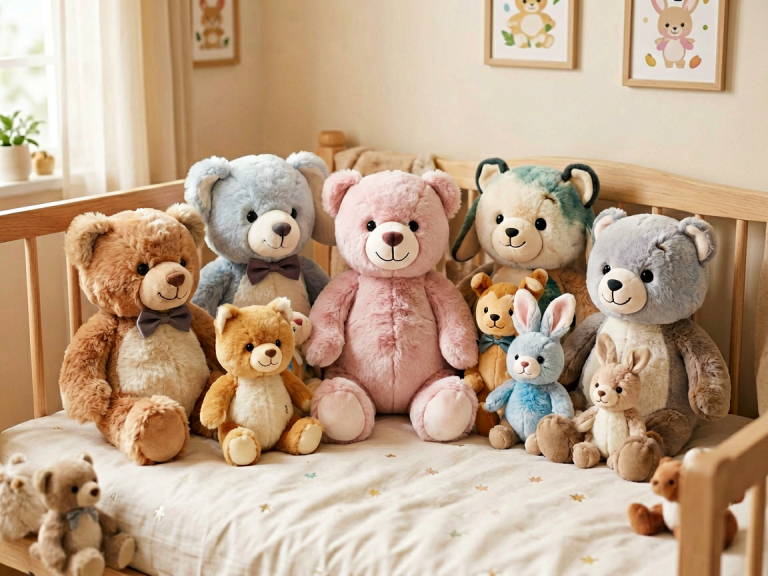
No list of animal-themed toys would be complete without plush toys. Stuffed animals are often a child's first introduction to pets and wildlife. They provide comfort, security, and a canvas for emotional expression. A child might confide in a teddy bear, practice reading to a stuffed bunny, or learn to be gentle with a plush elephant. The best plush toys for animal lovers go beyond generic designs. Look for realistic plushies: ones with accurate fur patterns, anatomically correct features, and even realistic weights (some brands add tiny beads to mimic the weight of a real animal). This helps children learn to distinguish species.
Additionally, consider plush toys that come with educational tags or online codes that link to animal facts. Some brands, like the Smithsonian line, produce plush animals with detachable anatomy parts or with sounds recorded in the wild. These transform a cuddly toy into a learning tool. For children with sensory processing needs, weighted plush animals can provide calming deep pressure while still feeding their interest in creatures. Stuffed animals also support social-emotional development; they can serve as props in role-playing veterinarian visits, which reduces fear of real medical appointments.
Outdoor and Nature Exploration Kits
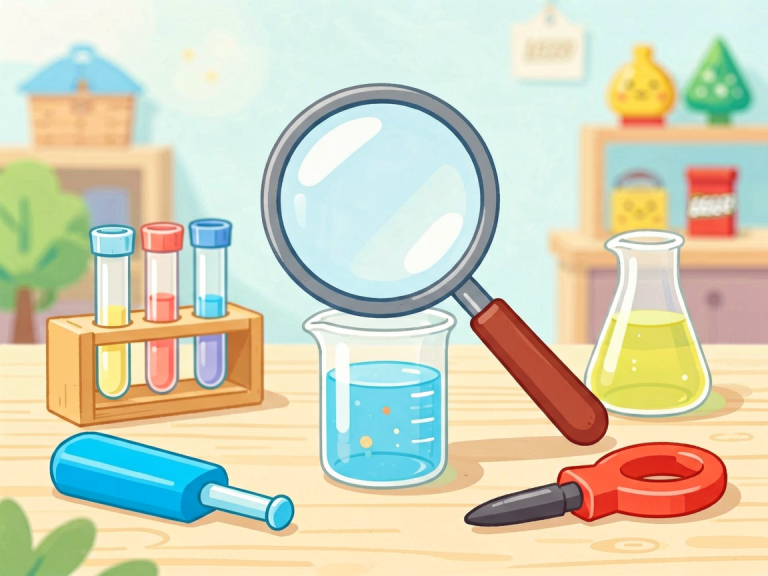
For kids who love animals, the best classroom is often the backyard, a local park, or a nature reserve. Outdoor exploration kits that focus on wildlife observation are fantastic gifts. A child's bug-catching kit with a magnifying glass, tweezers, and a ventilated jar allows hands-on study of insects, worms, and spiders. A bird-watching kit with binoculars, a field guide, and a logbook encourages patient observation and note-taking. More advanced kits might include a portable microscope for examining pond water, or a bat detector that translates echolocation calls into audible sounds.
These toys directly connect the child with living animals in their environment. They teach scientific methodology: how to observe without harming, how to record data, and how to draw conclusions. Outdoor play also provides essential physical activity and vitamin D. To maximize learning, pair the kit with a journal where the child can sketch animals they see, write descriptions, and note behaviors. Many children who start with a simple bug catcher go on to develop a lifelong interest in entomology, ornithology, or herpetology. The key is to choose ethical kits that emphasize catch-and-release and respect for wildlife.
Animal-Themed STEM and Science Kits
STEAM (Science, Technology, Engineering, Art, Mathematics) toys that center on animals are wonderfully engaging. Dissection kits for older children, using synthetic specimens, teach anatomy without harm. Crystal-growing kits shaped like animal skeletons combine chemistry with art. Electronics kits that let children build a frog's nerve circuit or a bird's wing mechanism introduce biophysics. Even simple science kits that allow kids to simulate animal migration patterns with magnets or to examine owl pellets (sterilized) for bones offer unforgettable hands-on learning.
One particularly effective category is the “animal life cycle” kit. These sets, often featuring models of eggs, larvae, pupae, and adults for butterflies, frogs, or chickens, help children visualize metamorphosis and growth. Some kits even include live caterpillars or sea monkeys, giving children direct responsibility for a living creature's development. This is an excellent gateway to understanding biology, timelines, and responsibility. For families with space constraints, virtual dissections or augmented reality animal apps (like those used with Merge Cube) allow digital exploration of skeletal systems and organs. These tools prepare children for later science education while respecting the current trend toward humane learning.
Role-Playing Costumes and Accessories
Many animal-loving children enjoy pretending to be their favorite creatures. Costumes, masks, and accessories that let a child transform into a lion, a butterfly, or a wolf are not just for Halloween. They support imaginative play, physical movement, and emotional regulation. A child who puts on a cheetah costume might run around the yard practicing speed, learning about animal locomotion. A child wearing a veterinarian’s coat and stethoscope (with animal patient toys) practices empathy and caregiving.
Quality role-playing toys include realistic animal masks (with proper eye holes and ventilation), tails that attach to clothing, and even animal sound makers or footstep trackers. Some brands produce “explorer vests” with multiple pockets for holding field guides and sample bags. The best sets allow the child to choose a specific animal and then learn about its unique traits through play. For example, a panda costume might come with a bamboo leaf prop, and the parent can talk about where pandas live. Role-playing also builds language skills as children narrate their adventures and interact with others in character. This type of play can even be integrated into family activities like backyard nature scavenger hunts.
Choosing the Right Toy for Your Animal-Loving Child
Selecting the perfect toy depends on the child’s age, interests, and developmental stage. For toddlers (ages 1–3), focus on safe, chunky animal figures, soft plush toys, and simple wooden puzzles with large pieces. For preschoolers (ages 3–5), add interactive robotic pets, construction blocks, and basic memory games. School-age children (ages 6–9) thrive with detailed figurines, more complex STEM kits, and outdoor exploration tools. Tweens (ages 10–12) may enjoy advanced dissection models, programmable animal robots, or wildlife photography kits.
Always consider the child’s specific passion: a kid who loves marine animals will be thrilled by a sea-life puzzle, while a child fascinated by big cats might prefer a set of realistic jungle figurines. Safety is paramount: avoid small parts for children under three, and check for non-toxic materials. Also consider durability—animal toys often receive rough handling during imaginative play. Finally, look for toys that can grow with the child. A set of high-quality animal figurines can be used differently at age three versus age eight, making them a worthwhile investment.
Conclusion: Toys That Nurture a Lifelong Love for Animals
The best toys for kids who like animals do more than simply pass the time. They open doors to empathy, scientific curiosity, and creative storytelling. Whether it’s a realistic lion figurine that sparks a safari fantasy, a robotic puppy that teaches responsibility, or a bug-catching kit that reveals the hidden world under a leaf, each toy has the potential to shape a child’s understanding of the natural world. In an era when children spend increasing time indoors and in front of screens, animal-themed toys provide a vital connection to living things and the environment. By choosing thoughtfully, parents and gift-givers can help a child’s passion for animals blossom into a lifelong commitment to learning, conservation, and wonder. So next time you look for a present, skip the generic gadgets. Instead, pick something that lets them roar, fly, swim, and explore—because a child who loves animals today may be the zoologist, veterinarian, or conservationist of tomorrow.