The Best Building Toys Under $25: Unleash Creativity Without Breaking the Bank
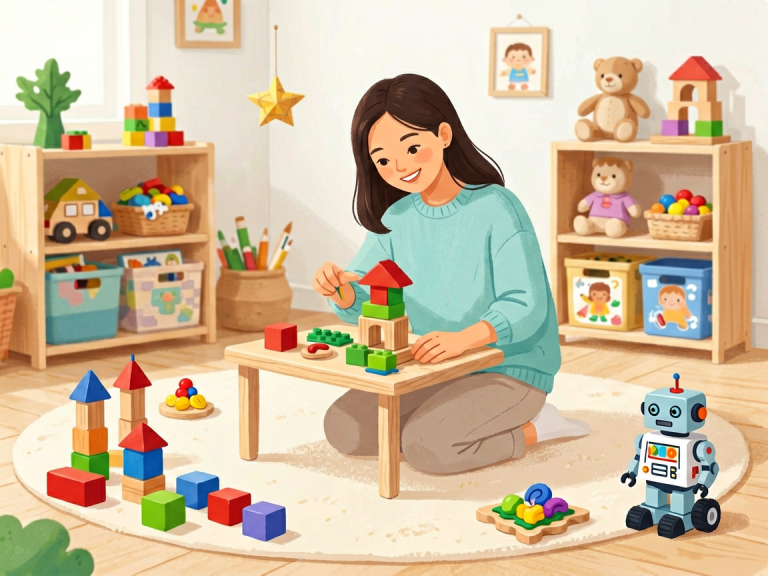
In a world increasingly dominated by screens and passive entertainment, building toys stand as a timeless antidote—they invite children (and adults) to create, problem-solve, and imagine in three dimensions. Yet parents often assume that high-quality construction sets come with a hefty price tag. The good news? A treasure trove of excellent building toys is available for under $25, proving that creativity doesn't require a premium budget. From classic wooden blocks to innovative magnetic tiles, these affordable options provide hours of engaging play while fostering critical developmental skills. This article explores why building toys matter, highlights some of the best picks under $25, and offers practical advice for choosing the right set for your child.
The Educational Power of Building Toys
Building toys are far more than simple entertainment—they are powerful learning tools disguised as fun. When a child stacks a block or connects a magnet, they unconsciously engage in a range of cognitive and physical processes that lay the foundation for future success. One of the most significant benefits is the development of spatial reasoning. As children experiment with how different pieces fit together, they learn to visualize shapes in three dimensions, understand symmetry, and predict how objects will behave when arranged in different configurations. These skills are directly linked to later proficiency in science, technology, engineering, and mathematics (STEM). Research has shown that early exposure to construction play can improve a child's ability to solve complex geometric problems and even enhance their performance in algebra.
Beyond spatial skills, building toys nurture executive functions such as planning, persistence, and self-regulation. A child constructing a tower must decide which blocks to use, in what order, and how to distribute weight—all while managing the frustration of a collapse. This iterative process of trial and error teaches resilience and the value of revision, which are essential life skills. Moreover, building toys encourage open-ended creativity. Unlike puzzles with a single correct solution, a box of interlocking bricks can become a castle, a spaceship, or a robot depending on the child's imagination. This freedom boosts creative confidence and helps children learn that there are many ways to solve a problem.
Socially, building toys can be a catalyst for collaboration. When siblings or friends work together on a construction project, they must communicate ideas, negotiate roles, and share resources. These interactions build language skills and emotional intelligence, as children learn to express their vision and accept compromise. Even solitary building play offers value: it provides a quiet, focused activity that can calm an overstimulated mind and encourage deep concentration—a rare gift in our fast-paced digital age.
Given these profound benefits, one might assume that educational building toys are expensive. Yet many of the most effective sets are priced well within a reasonable budget. The key is knowing what to look for: quality materials, versatile pieces, and designs that encourage open-ended play rather than rigid, one-time constructions.
Top Picks for Budget-Friendly Construction Sets
The market is rich with building toys under $25 that deliver exceptional play value. Below, I have categorized some of the best options based on different types of construction, ensuring there is something for every young engineer, architect, or dreamer.
Classic Interlocking Bricks (Lego and Alternatives)
No list of building toys would be complete without interlocking bricks. While official Lego sets often exceed $25 for larger models, many smaller sets and thematic packs fall within the budget. For example, Lego’s Classic Creative Bricks sets (often available in small boxes with 200–300 pieces) retail for around $20 and offer a rainbow of standard bricks plus a few specialty pieces like wheels and windows. These sets are perfect for free building because they contain no instructions for a specific model—just pure imagination.
For families seeking even more value, compatible brick brands such as Lepin, Sluban, or Cobi produce high-quality bricks at a fraction of the cost. A 500-piece bucket of generic building bricks from brands like The Purple Cow or Mould King can often be found for under $20 on Amazon. These bricks are completely compatible with Lego sets, so they can be mixed and matched. The only caution is to ensure the plastic is non-toxic and free from sharp edges; reputable generic brands meet these standards. When choosing interlocking bricks, prioritize sets that include a variety of colors and basic shapes over those with too many specialized, single-use pieces. Versatility is the key to long-term engagement.
Magnetic Tiles and Connectors
Magnetic building toys have exploded in popularity over the past decade, and for good reason: they make construction fast, intuitive, and visually stunning. The best-known brand is Magna-Tiles, but a full set can cost $50 or more. However, several budget-friendly alternatives are available for under $25. "PicassoTiles," for example, offers starter sets with 32 pieces for around $20. These translucent squares and triangles with embedded magnets snap together effortlessly, allowing children as young as three to build towers, houses, and geometric structures. The magnetic connection provides satisfying feedback and eliminates the frustration of pieces that don't stay put.
Another excellent option is "PlayMonster Magz," which uses magnetic rods and metal balls to create intricate 3D shapes. A 54-piece set costs about $22 and introduces concepts of structural engineering as children figure out how to build stable frameworks. Magnetic tiles are particularly valuable for teaching geometric principles—children learn about squares, triangles, and symmetry without explicit instruction. Because the pieces are large and easy to handle, they are ideal for toddlers and preschoolers. Just ensure that the magnets are securely encased to prevent swallowing; reputable brands pass safety standards.
Wooden Blocks and Log Builds
For a sensory experience that connects children to natural materials, wooden blocks remain a classic. A basic set of 50 to 100 unit blocks made from solid wood (such as the "Hape" or "Melissa & Doug" brands) can be purchased for $20 to $25. These blocks come in various shapes: rectangles, squares, cylinders, arches, and triangles. Unlike plastic blocks, wooden blocks have weight and texture, which adds a tactile dimension to building. Children can stack them, balance them, and knock them down—and they learn about gravity and stability in a very direct way.
Another engaging wooden option is the "Lincoln Logs" style construction sets, where notched logs interlock to form cabins and forts. A 111-piece set of real wood logs, such as the "K'NEX Lincoln Logs" starter set, is available for around $18. These sets teach pattern recognition and symmetry while allowing for open-ended rural or medieval-themed play. Wooden blocks also age beautifully; they rarely break and can be passed down through siblings. The only downside is that wooden blocks can be heavy for very young children, but for ages three and up, they are an excellent investment.
Creative Connecting Systems (Gears, Straws, and More)
For children who enjoy mechanical movement, building toys that incorporate gears, axles, or bending connectors offer a unique challenge. "Learning Resources Gears! Gears! Gears! Building Set" is a fantastic example: a 100-piece starter set costs about $20 and includes colorful gears, cranks, and interlocking bases. Children can build contraptions that actually spin and move, introducing basic principles of physics and simple machines. The set is highly expandable—additional pieces can be purchased later, but the base set provides plenty of variety.
Straw and connector sets (like "Strawbees" or "Straws and Connectors") are another budget-friendly wonder. A 400-piece set of flexible straws and plastic connectors can be found for under $15. Children can build anything from a simple cube to a life-sized fort. These sets are incredibly lightweight, making them safe for even the youngest builders. They also encourage understanding of tensegrity and structural bracing. Because the pieces are inexpensive, parents can buy multiple sets for group play without guilt. The open-ended nature of straw construction means that the same set can be used for years, with increasing complexity as the child grows.
How to Choose the Right Building Toy for Your Child
With so many options under $25, selecting the perfect building toy can feel overwhelming. The best choice depends on the child's age, interests, and developmental stage, as well as the type of play you want to encourage. Here are some straightforward guidelines to help you decide.
For toddlers and preschoolers (ages 2–4), prioritize large pieces that are easy to grasp and cannot be swallowed. Magnetic tiles and large wooden blocks are excellent because they require minimal fine motor control and can be stacked quickly, providing a sense of accomplishment. Avoid sets with many tiny pieces, such as micro-bricks or small interlocking pins, which can be choking hazards. Also consider the durability of the toy: toddlers are hard on their belongings, so sturdy plastic or solid wood is preferable to thin, brittle materials.
For elementary-aged children (ages 5–9), interlocking bricks and gear-based sets shine. These children have the dexterity and patience to follow simple instructions or invent their own designs. Look for sets that include a mix of standard pieces and specialty elements (like wheels, hinges, or windows) to stimulate new ideas. If the child loves a particular theme—dinosaurs, space, or vehicles—you can often find themed building sets from off-brands for under $25. However, be cautious: themed sets can be less reusable because they are designed to build one specific model. Balance a theme set with a general "free-play" bucket of bricks.
For tweens and teens (ages 10 and up), building toys that emphasize engineering and complexity are appealing. Mechanical or kinetic sets, such as gear-driven models or straw structures that challenge architectural thinking, provide a satisfying level of difficulty. At this age, children may also enjoy "paper-based" building kits like "Makeblock" or "paper engineering" templates, but those often require adult supervision and additional supplies. A more accessible option is a set of magnetic rods and balls (like "Geomag"), which can be used to build sophisticated geometric forms and even working marble runs if combined with additional pieces. Many budget-friendly versions of these sets exist for around $22.
Beyond age, consider the social context. If the child will play alone most of the time, a set with many pieces and open-ended potential is best. If they frequently play with siblings or friends, look for sets that allow multiple builders to work simultaneously—magnetic tiles, for instance, are great because many hands can add pieces without conflict. Also consider storage: a bucket or bag for a brick set makes cleanup simple, while wooden blocks often require a shelf or box to prevent loss.
Beyond the Box: Extending Play Value
One of the great advantages of building toys is that their value extends well beyond the initial purchase. A single set of $20 bricks can be used in countless ways if you encourage creative flexibility. To maximize the investment, consider these strategies:
First, integrate building toys with other play themes. A castle built from blocks becomes a setting for action figures or dolls; a spaceship made of magnetic tiles can host a crew of tiny toys. This cross-play stretches the imagination and keeps the construction relevant long after the novelty of stacking has faded. Second, introduce challenges. For example, say, "Can you build a bridge that holds this toy car?" or "Let's see who can build the tallest tower that doesn't fall." These prompts turn free play into a focused problem-solving activity. Third, combine multiple building sets. Don't be afraid to mix bricks with magnetic tiles or wooden blocks—the more varied the materials, the more creative the structures. Children learn to adapt their building techniques to different constraints, which deepens their understanding of engineering.
Another way to extend play value is to incorporate building toys into family game nights or educational activities. Use blocks to teach counting, addition, or fractions. Build a simple maze for a marble and then time how fast the marble travels through it. For older children, document their creations with photos or videos, creating an "architecture portfolio" that they can review and improve upon. Some parents even encourage children to draw blueprints before building, bridging art and engineering. The key is to treat the building toys not as disposable entertainment but as a modular resource that can be repurposed endlessly.
Finally, don't overlook the value of deconstruction. Taking apart a creation can be as educational as building it. Children learn how pieces fit together and how to reverse engineer a structure. Also, clean-up becomes a game if you challenge them to sort pieces by color or shape—a quiet activity that reinforces categorization skills. Over time, a humble $20 building set can provide hundreds of hours of learning and joy, offering a return on investment that few other toys can match.
Conclusion: A Small Price for Limitless Imagination
The world of building toys under $25 is rich, diverse, and surprisingly powerful. Whether you choose classic wooden blocks, magnetic tiles, interlocking bricks, or gear sets, you are giving a child the tools to construct not just towers and vehicles, but also confidence, creativity, and cognitive skills. As parents and educators, we sometimes fall into the trap of thinking that more expensive toys are inherently better, but the evidence suggests otherwise: the best building toys are those that invite open-ended exploration, adapt to a child's growing abilities, and foster a sense of mastery. A simple set of affordable pieces can spark a lifelong love of design, engineering, and problem-solving.
So the next time you are looking for a gift—for a birthday, a holiday, or just because—remember that you don't need to spend a fortune. A $20 box of bricks or a $15 magnetic tile set can unlock a world of wonder. Invest in building toys, and you invest in a future where every child can look at the world and say, "I can build something new." In a time when our lives are filled with disposable goods, these toys stand as a testament to the enduring power of hands-on creativity—and the best part is, they are available to nearly anyone, regardless of budget. Choose wisely, build joyfully, and watch the imagination soar.