The Ultimate Guide to Choosing Durable Toys: Expert Tips for Long-Lasting Play
—
Introduction
Every parent knows the frustration of spending money on a toy only to see it break within days — a snapped wheel, a torn seam, or a battery compartment that stops working. Beyond the financial waste, broken toys can pose safety risks and contribute to environmental plastic pollution. Choosing durable toys is not just about saving money; it is about ensuring safe, sustainable play that can be passed down or resold. However, durability is not always obvious from packaging or price tags. This comprehensive guide will walk you through the key factors that determine toy longevity, from material composition to construction techniques, and offer actionable tips to help you make smart purchasing decisions. Whether you are buying for toddlers or teens, these insights will transform the way you shop for playthings.
—
Understanding Material Quality: The Foundation of Durability
The single most important factor in a toy’s lifespan is the material from which it is made. Not all plastics are equal, and natural materials vary widely in quality.
Solid Woods vs. Engineered Woods
Solid hardwood toys — made from maple, beech, or oak — can last for generations. They resist dents, splintering, and warping better than softwoods like pine. However, many toys labeled “wooden” are actually made from MDF (medium-density fibreboard) or plywood, which are composites held together with adhesives that can delaminate when exposed to moisture or rough play. A simple test: look for visible grain and a smooth, sanded finish. Avoid toys with thin veneers that chip easily.
Plastic Grades and Their Implications
Not all plastics are created equal. High-density polyethylene (HDPE) and polypropylene (PP) are tough, flexible, and impact-resistant — ideal for building blocks and outdoor vehicles. In contrast, cheap polystyrene (PS) or recycled plastics of unknown origin often crack under stress. Look for recycling codes #2 (HDPE) and #5 (PP). Also, avoid toys with a strong chemical smell, which may indicate low-quality materials that degrade faster.
Fabric and Soft Toy Considerations
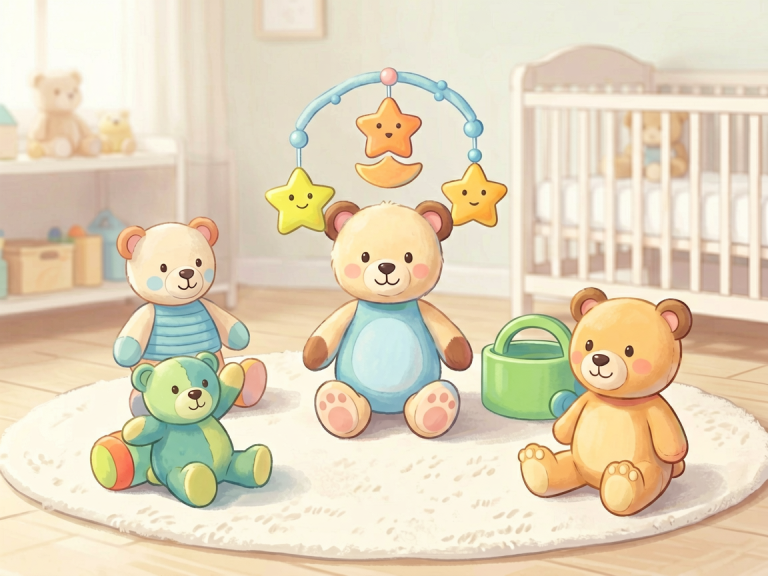
For plush toys, fabric weave and stitching are critical. Tightly woven cotton or polyester blends resist pilling and tearing. Double-stitched seams, especially at stress points like ears and limbs, prevent stuffing from escaping. Check for reinforced backs and hidden zippers, which are stronger than glued or heat-sealed closures.
—
Assessing Construction and Design: How Toys Are Built
Even the best materials can fail if the toy is poorly designed. Construction details reveal a lot about expected durability.
Joint and Connection Quality
Moving parts — such as wheels, arms, or hinges — are the first to break. Look for toys that use metal axles and screws rather than plastic rivets or simple snap-fits. For example, wooden train sets with metal axles and plastic wheels that screw into place outlast those with plastic axles that crack. Similarly, action figures with ball-and-socket joints often hold up longer than those with simple hinge joints.
Weight and Balance
A toy that feels solid and balanced usually indicates well-distributed inner components. Lightweight toys that feel hollow are more likely to have feeble internal supports. Pick up the toy: if it wobbles or feels flimsy, it probably won’t survive a drop.
Edge and Surface Treatment
Sharp edges are not just safety hazards; they also indicate poor finishing that can lead to splintering or cracking. High-quality toys have rounded corners, smooth sanding, and a sealed surface — whether painted, lacquered, or coated. For painted toys, check if the paint is bonded to the material (e.g., baked-on enamel) or simply sprayed on. Toys with cheap paint jobs often chip within weeks.
—
Age-Appropriate Considerations: Matching Toys to Developmental Stages
A durable toy in the wrong hands can still be destroyed quickly. Age recommendations are not just about safety; they reflect the typical force and usage a toy must withstand.
For Infants and Toddlers (0–3 years)
Babies explore through mouthing and dropping. Toys for this age must be one-piece (no small parts), made of food-grade silicone or solid wood, and able to survive being thrown repeatedly. Avoid any toy with batteries that require a screwdriver to access — those doors often break first. The best infant toys are simple, single-material objects like silicone teethers or hard plastic stacking rings.
For Preschoolers (3–5 years)
This age group tests toys with rough imaginative play — crashing cars, building towers, and wrestling dolls. Look for toys with reinforced stitching, extra-thick plastic walls, and large, chunky pieces. Avoid thin plastic figurines that snap easily; instead, choose rubber or soft vinyl versions. Building blocks should be large enough to discourage mouthing and made from dense foam or solid wood.
For School-Age Children (6+ years)
Older children demand more complex toys with moving parts, electronics, and small accessories. Durability here hinges on the quality of gears, motors, and connectors. Lego-style interlocking bricks are a classic example due to their precision-molded plastic and tight clutch power. For board games, check the cardboard thickness and the quality of the box hinges — thin boxes tear at the corners quickly.
—
Recognizing Reputable Brands and Certifications
Not all toy companies are transparent about their manufacturing standards, but some signals help identify brands that prioritize longevity.
Longstanding Toy Manufacturers
Brands like LEGO, Melissa & Doug, Brio, and Green Toys have decades of experience and a reputation for durability. They often test toys for repeated impact, extreme temperatures, and long-term storage. While these brands may cost more upfront, their toys frequently outlast generic alternatives by years.
Certifications That Matter
Look for certifications that indicate quality control and safety testing. The ASTM F963 (USA) and EN71 (Europe) certifications ensure toys meet mechanical and physical hazard standards. Additionally, the “Green Seal” or “Cradle to Cradle” labels can indicate that materials are non-toxic and built to last through multiple lifecycles. However, remember that a certification alone does not guarantee durability — it is a baseline for safety.
Customer Reviews and Warranty
Before buying, search for terms like “broke after” or “lasted” in online reviews. A manufacturer that offers a solid warranty (e.g., 1–5 years) is confident in its product’s longevity. Some companies even sell replacement parts, which is a strong indicator of a commitment to durability.
—
The Role of Maintenance and Care in Extending Toy Life
Even the most durable toy will degrade faster if neglected. Proper care can double a toy’s lifespan.
Cleaning Methods for Different Materials
Wooden toys should be wiped with a damp cloth and mild soap, then dried immediately. Never soak them, as moisture seeps into joints and causes swelling or mildew. Plastic toys can be cleaned in warm, soapy water, but avoid harsh chemicals that can cause brittleness. For electronic toys, use a lightly dampened cloth on exterior surfaces and never spray directly into openings.
Storage and Environmental Factors
Sunlight is a silent killer of toys — UV rays weaken plastics and fade paint. Store toys in opaque bins or in shaded areas. Extreme temperatures also weaken materials: leaving plastic toys in a hot car can cause warping, while freezing temperatures can make them brittle. For outdoor toys, bring them inside during winter or cover them with a breathable tarp.
Repairing Instead of Replacing
Many toys can be fixed with simple tools. Loose batteries can be secured with electrical tape (if the compartment is intact), broken seams can be stitched, and missing screws can be replaced at a hardware store. Online communities like iFixit offer repair guides for popular toys. Teaching children to repair their toys also fosters a sense of responsibility and resourcefulness.
—
Avoiding Common Pitfalls: What to Watch Out For
Even seasoned shoppers can be misled by deceptive marketing or hidden flaws. Here are red flags to avoid.
“Eco-Friendly” Greenwashing
Some toys marketed as “sustainable” are actually made from low-quality recycled plastics that degrade faster than virgin alternatives. While environmental consciousness is commendable, do not assume that a “green” label equals durability. Check the material composition and reviews.
Too Many Features
Toys that promise “10 functions in one” often sacrifice durability for complexity. Multiple moving parts, flimsy attachments, and intricate electronics increase the number of failure points. A simple, well-made toy usually outlasts a multi-functional gizmo.
Extremely Low Prices
If a toy costs a fraction of its competitors, the manufacturer likely cut corners on material thickness, quality control, or fasteners. You are not just buying the toy; you are buying the engineering that keeps it intact.
—
Conclusion: Making Informed Choices for Sustainable Play
Choosing durable toys is a skill that pays dividends in reduced waste, lower long-term costs, and happier children. By prioritizing solid materials, robust construction, and age-appropriate designs, you can build a toy collection that survives not just months, but years — and sometimes generations. Remember to research brands, inspect seams and joints, read reviews for real-world performance, and teach your family basic toy care. In a world of planned obsolescence, your thoughtful choices become a quiet act of resistance, promoting a culture of quality over quantity. Next time you pick up a toy, ask yourself: Will this still be playable next Christmas? If the answer is yes, you have found a winner.