How to Choose Quiet Toys: A Guide for Peaceful Play and Healthy Development
In a world that often feels overwhelmingly loud—filled with beeping electronic gadgets, blaring screens, and constant background noise—the value of quiet play is increasingly recognized by child development experts, early childhood educators, and thoughtful parents alike. Quiet toys are not simply tools to keep children occupied without disturbing adults; they are powerful instruments for fostering deep concentration, creativity, emotional regulation, and independent problem-solving. Yet navigating the vast landscape of toy options can be daunting. How do you select a quiet toy that is genuinely engaging, developmentally appropriate, safe, and durable? This article offers a comprehensive, research-based guide to help you make informed choices.
Why Choose Quiet Toys? Understanding the Benefits
Before diving into selection criteria, it is essential to understand why quiet toys matter. Research in early childhood development emphasizes that periods of calm, focused play are crucial for brain development. When children engage with quiet toys—such as wooden blocks, puzzles, or art materials—they are more likely to enter a state of “flow,” where time seems to disappear and they become fully absorbed in an activity. This state is associated with improved attention spans, enhanced problem-solving skills, and greater satisfaction.
Moreover, quiet toys reduce sensory overload. Many modern toys are designed to stimulate children with lights, sounds, and motion, but constant high-intensity stimulation can lead to irritability, anxiety, and difficulty calming down. Quiet toys offer a counterbalance, helping children regulate their own nervous systems. They also create a calmer home environment, reducing noise pollution that affects everyone—parents working from home, siblings studying, or neighbors sharing walls.
Key Factors to Consider When Selecting Quiet Toys
Choosing the right quiet toy involves more than simply picking up something that doesn’t make noise. The following factors should guide your evaluation:
1. Age Appropriateness and Developmental Stage
A toy that is too advanced can frustrate a child, while one that is too simple can bore them. For infants and toddlers (0–2 years), quiet toys should focus on sensory exploration without small parts that could be choking hazards. Examples include soft fabric blocks, silicone teethers, wooden rattles that produce gentle sounds, or crinkle cloth books. For preschoolers (3–5 years), quiet toys that encourage fine motor skills and imaginative play are ideal—such as threading beads, wooden train sets, magnetic tiles, or simple jigsaw puzzles with few pieces. Older children (6 years and up) may enjoy more complex quiet activities like advanced construction sets, knitting or weaving kits, board games with no electronic components, or intricate pattern-building toys like tangrams.
2. Material Quality and Safety
Quiet toys should be made from safe, non-toxic materials. Look for toys labeled as BPA-free, phthalate-free, and lead-free. Natural materials such as wood, organic cotton, and wool are excellent choices because they are durable, sustainable, and often have a pleasant tactile quality. Avoid cheap plastic toys that break easily and may contain harmful chemicals. Additionally, check for smooth edges, securely attached parts, and finish that won’t chip or peel. Toys should be easy to clean since young children frequently put objects in their mouths.
3. Open-Endedness and Longevity
An open-ended toy is one that can be used in multiple ways, encouraging creativity and sustained interest over years. A set of wooden blocks, for example, can be used for stacking, building houses, creating patterns, or even as pretend food. A quiet toy that has only one function—like a single-button music player—may quickly lose its appeal. Open-ended toys also adapt to a child’s growing abilities: the same set of magnetic tiles can be used for simple shapes at age 3 and for complex three-dimensional structures at age 8. Prioritize toys that invite exploration without prescribing a single “correct” way to play.
4. Sensory Appeal (Without Electronic Overload)
Quiet toys should engage the senses in subtle, soothing ways. Consider texture: smooth wood, soft felt, or bumpy silicone provide tactile variety. Visual appeal can come from natural wood grain, gentle colors, or simple geometric patterns rather than flashing lights. Some quiet toys produce gentle sounds—the clicking of interlocking blocks, the rustle of fabric, or the soft ring of a bell—which add to the sensory experience without overwhelming. Avoid toys that rely on batteries or digital screens, as these often disrupt the very calmness you aim to create.
5. Portability and Size
Think about where the toy will be used. For car rides, restaurant waiting, or doctor’s office visits, choose compact, self-contained quiet toys. A small pouch of wooden beads for threading, a travel-sized magnetic drawing board, or a set of color-matching cards can be easily carried. At home, larger quiet toys like a wooden dollhouse, a felt play mat, or a set of marble run tracks may be appropriate, but ensure you have adequate storage space to keep them organized.
Types of Quiet Toys: A Curated Selection
To streamline your shopping, here are categories of quiet toys that consistently receive high marks from child development specialists and parent communities.
Construction and Building Toys
Wooden blocks, magnetic tiles, interlocking plastic bricks (such as LEGO, but without sound effects), and stacked stone sets fall into this category. They promote spatial reasoning, fine motor skills, and creativity. Choose sets that include natural wood or neutral colors rather than primary brights if you prefer a calmer aesthetic. Many magnetic tile brands now offer translucent tiles in pastel shades that are beautiful when light passes through them.
Puzzles and Pattern Games
From simple wooden peg puzzles for toddlers to intricate jigsaw puzzles with hundreds of pieces for older kids, puzzles teach patience, concentration, and visual-spatial skills. Pattern-matching games like tangrams, mosaic pegboards, or lacing cards are also excellent. They can be stored in flat boxes or pouches, making them easy to transport.
Art and Craft Supplies (Non-Messy Options)
Drawing with washable markers on paper, using a water-reveal magic pad (where water on a special brush brings out colors), or playing with modeling clay are quiet, creative outlets. For very young children, consider finger paint in sealed packets or crayon rocks that are easy to grip. Avoid paints that require set-up and clean-up unless you have a dedicated arts-and-crafts area.
Imaginative and Dramatic Play
Quiet toys that support make-believe include felt food sets, wooden kitchen items, dollhouses and dolls (without voices or sound effects), felt storyboards, and animal figures. These encourage language development, social skills, and emotional processing. Look for sets made from natural fibers and wood rather than plastic.
Logic and Strategy Games
Board games are often associated with noise and competition, but many classic games are quiet and cooperative. Think of memory match games, dominoes, cribbage, or cooperative board games where players work together to solve a puzzle. For solo play, a Rubik’s cube, a maze puzzle, or a simple coding game (like a wooden robot that follows sequential instructions) can be absorbing.
Sensory and Calming Tools
Quiet toys can also serve a therapeutic purpose. Squeezy stress balls, weighted lap pads, fidget spinners (the silent kind), or lava lamps (without motorized parts) help children who need additional sensory input to focus. Similarly, a “calm-down jar” with glitter and water can be mesmerizing. These toys are especially helpful for neurodivergent children but can benefit any child during moments of restlessness.
Tips for Successfully Introducing Quiet Toys
Even the best quiet toy will fail if it is introduced incorrectly or without context. Here are practical strategies:
- Create a “Quiet Time” Routine. Designate a specific time each day—perhaps after lunch or before bedtime—when the expectation is quiet play. Set up a cozy corner with a soft mat, a few carefully chosen quiet toys, and perhaps a dim lamp. Consistency helps children transition into the calm mode.
- Rotate Toys Frequently. Children often lose interest when they see the same toys every day. Keep a stash of quiet toys in a closet or a bin, and rotate them every week or two. This rekindles curiosity without having to buy new items.
- Model Quiet Play Yourself. Children learn by watching. If you sit down with a quiet activity—reading a book, knitting, or doing a puzzle—your child is more likely to emulate that behavior. Joint quiet play can be a wonderful bonding experience.
- Resist the Urge to Interrupt. When a child is deeply engaged with a quiet toy, try not to praise or comment unless they look for you. Interruptions can break their concentration. Allow the play to unfold naturally.
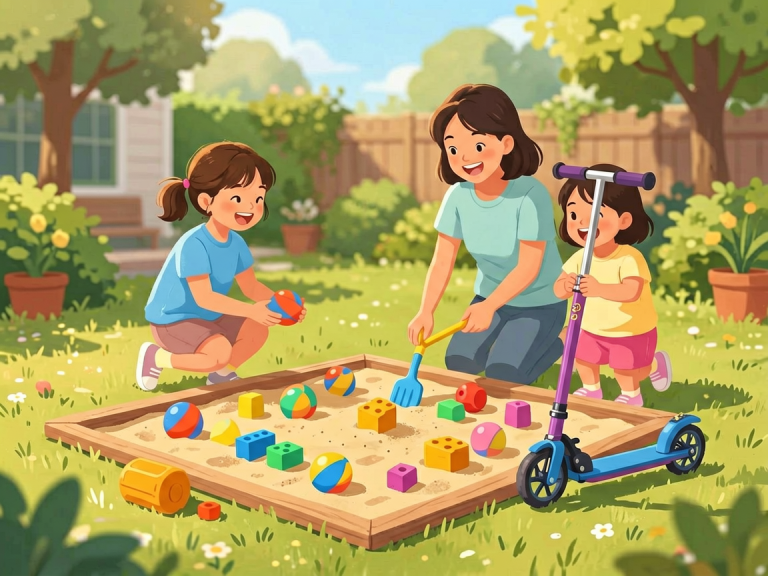
- Combine with Nature. Many quiet toys, such as wooden animals or stone blocks, pair beautifully with natural elements like leaves, pebbles, or pinecones. Taking quiet toys outdoors—on a picnic blanket or in a backyard—extends the calm experience.
Common Pitfalls to Avoid
While choosing quiet toys seems straightforward, several mistakes are common:
- Choosing Too Many at Once. A child overwhelmed with options may not engage deeply with any single toy. Start with two or three diverse quiet toys and observe which ones resonate.
- Ignoring Your Child’s Unique Interests. Some children love fine-motor activities; others prefer large-motor building. A child who detests puzzles will not become quiet and focused simply because you bought a puzzle. Pay attention to their innate preferences.
- Confusing “Quiet” with “Boring.” Quiet does not mean unstimulating. A good quiet toy provides rich cognitive, sensory, or imaginative challenges without audible feedback. Test a toy yourself: would you find it engaging for at least 20 minutes?
- Overlooking Cultural or Gender Inclusivity. Ensure that the toys you choose reflect diversity in characters, themes, and scenarios. Quiet toys that depict a variety of people, animals, and settings support broader learning and empathy.
Conclusion: The Enduring Value of Stillness
Choosing quiet toys is not merely a matter of household peace—though that is certainly a welcome benefit. It is an investment in your child’s ability to focus, create, and self-soothe in an increasingly noisy world. By selecting toys that are safe, open-ended, sensory-rich, and developmentally aligned, you provide opportunities for deep, meaningful play that nurtures the whole child. As you build your collection of quiet toys, remember that quality trumps quantity, and that a child’s relationship with a toy deepens over time. The quiet moments spent building a tower, sorting shells, or stitching a simple pattern are the building blocks of a resilient, imaginative mind. In the end, the best quiet toys are those that allow children to hear their own thoughts, listen to their own hearts, and find joy in the gentle rhythm of uninterrupted play.