Building Minds: The Transformative Power of Educational Engineering Toys for Kids
Introduction
In an era where technology and innovation drive every aspect of modern life, parents and educators are constantly seeking ways to prepare children for the challenges of tomorrow. Traditional toys have long been cherished for their role in imaginative play, but a new generation of playthings is redefining what it means to learn through fun. Educational engineering toys for kids have emerged as powerful tools that go far beyond simple entertainment. These toys invite children to become creators, builders, and problem-solvers, laying the groundwork for critical thinking, creativity, and technical literacy. From simple building blocks to sophisticated robotics kits, engineering toys offer a hands-on, engaging approach to STEM (Science, Technology, Engineering, and Mathematics) education. This article explores the profound impact of these toys, the diverse types available, the key benefits they provide, practical guidance for selection, and the exciting future that lies ahead.
Why Engineering Toys Matter: Beyond Play
At first glance, a set of snap-together gears or a miniature crane kit might look like just another plaything. Yet the cognitive processes involved in assembling such structures are remarkably sophisticated. When a child connects a gear to a motor, they are not merely following instructions—they are internalizing principles of physics, spatial reasoning, and cause-and-effect relationships. The value of educational engineering toys lies in their ability to transform abstract concepts into tangible experiences. A child who builds a bridge that collapses learns about structural integrity far more effectively than through any textbook diagram. This kind of experiential learning fosters resilience, as children discover that failure is not a dead end but a stepping stone to improvement. Moreover, engineering toys naturally integrate multiple disciplines: mathematics through measurement and symmetry, science through trial and error, and technology through the use of simple machines or coding interfaces. By engaging with these toys, children develop a mindset that values inquiry, experimentation, and systematic thinking—skills that are indispensable in the 21st-century workforce.
Types of Educational Engineering Toys
The market for educational engineering toys has expanded exponentially, offering a wide spectrum of options tailored to different age groups and interests. Understanding the main categories can help parents make informed choices.
1. Construction and Building Sets
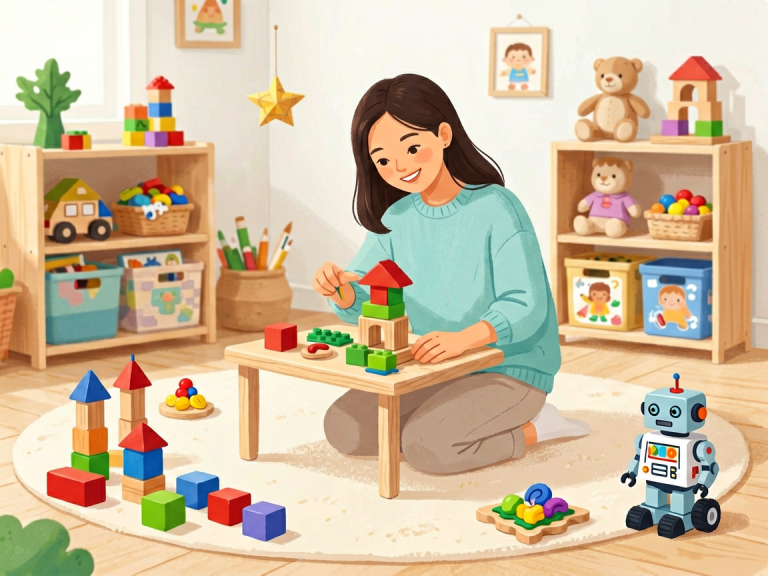
This classic category includes interlocking blocks (such as LEGO Technic), magnetic tiles, and modular building systems. These toys allow children to design and build structures, vehicles, and machines. Advanced sets often include gears, axles, and pulleys, enabling complex mechanical movements. For example, a gear-driven car kit teaches children about torque and rotation while encouraging creative customization.
2. Robotics and Coding Kits
Robotics kits, like those from LEGO Mindstorms, VEX Robotics, or Sphero, combine hardware with programmable software. Children can build a robot from components and then write simple code to control its movements, sensors, and responses. These toys demystify the principles of automation and artificial intelligence, giving children a grasp of how machines “think.” Some kits are designed for very young children, using visual block-based coding or even tangible coding cards.
3. Electronics and Circuit Kits
Toy sets like Snap Circuits, littleBits, or Arduino starter kits introduce children to electrical engineering. They learn about circuits, currents, and components such as resistors, LEDs, and switches. By snapping modules together, children can create working alarms, radios, or light displays. This hands-on approach makes abstract electrical concepts concrete and safe, as all components are low-voltage and kid-friendly.
4. Mechanics and Physics Kits
These kits focus on mechanical systems, hydraulics, pneumatics, and simple machines. Examples include marble runs, pneumatic-powered robots, or hydraulic arm kits. Children can experiment with levers, inclined planes, and gears to understand how forces are transmitted. Such toys often come with detailed instruction manuals but also encourage open-ended exploration.
5. Wooden and Eco-Friendly Engineering Sets
For families seeking a more tactile, screen-free experience, wooden engineering toys—such as model car kits, pulley systems, or building blocks made from sustainable materials—offer a timeless alternative. These toys emphasize fine motor skills, manual dexterity, and an appreciation for craftsmanship.
Key Benefits: STEM Skills, Creativity, and Problem-Solving
The advantages of educational engineering toys extend far beyond academic knowledge. Here are the most compelling benefits.
Fostering STEM Competencies
Engineering toys are a natural gateway to STEM education. By engaging with real-world problems, children develop a solid foundation in scientific reasoning and mathematical thinking. They learn to hypothesize, test, and iterate—a process that mirrors the scientific method. Studies have shown that early exposure to structured play with engineering principles boosts children’s confidence in math and science subjects in school.
Enhancing Creativity and Innovation
Contrary to the stereotype that engineering is rigid, these toys actually nurture boundless creativity. When a child builds a unique vehicle that can climb over obstacles, they are inventing. Open-ended toys—those without a single correct outcome—encourage divergent thinking. Children learn that there are multiple solutions to a problem, and that failure often leads to unexpected discoveries. This flexibility of thought is a hallmark of innovative minds.
Developing Problem-Solving and Critical Thinking
Every construction challenge—whether it is stabilizing a tall tower or programming a robot to navigate a maze—requires analytical thinking. Children must define the problem, plan a solution, execute it, and then evaluate the results. This iterative cycle builds patience, persistence, and logical reasoning. They also learn to break down complex tasks into manageable steps, a skill that serves them well in all areas of life.
Boosting Fine Motor Skills and Spatial Awareness
Manipulating small parts, aligning gears, and connecting wires improve dexterity and hand-eye coordination. Simultaneously, visualizing how pieces fit together in three dimensions enhances spatial intelligence—a cognitive skill strongly correlated with success in engineering and architecture.
Encouraging Collaboration and Communication
Many engineering toys are designed for group play. Children often collaborate on building projects, negotiate roles, and explain their ideas to peers or adults. This social dimension teaches teamwork, patience, and the ability to articulate reasoning, which are vital for future academic and professional collaborations.
How to Choose the Right Engineering Toys for Your Child
With so many options available, selecting the appropriate toy can feel overwhelming. A thoughtful approach considers the child’s age, interests, developmental stage, and the toy’s longevity.
Age Appropriateness
Manufacturers provide age recommendations that align with safety and cognitive demands. For toddlers (ages 2–4), large, lightweight blocks or simple magnetic tiles are ideal. Preschoolers (ages 4–6) can handle snap-together gears and beginner coding sets. Elementary-aged children (ages 6–10) thrive with more complex building systems, robotics, and circuit kits. Tweens and teens (ages 10+) can tackle advanced kits with real programmable microcontrollers or even 3D printing design tools.
Interest Alignment
A child passionate about cars may be more motivated by a vehicle-building kit, while one fascinated by animals might enjoy a robot dog kit. Matching the toy to the child’s existing hobbies ensures sustained engagement. It is also wise to consider whether the child prefers solitary, focused play or collaborative activities.
Open-Ended vs. Guided Play
Some toys provide step-by-step instructions to build specific models, which can be excellent for beginners who need structure and confidence. Others are completely open-ended, offering raw components and endless possibilities. The best choices often include both elements: a well-designed kit that offers guided projects but also encourages free creation. This dual approach prevents boredom and promotes deeper learning.
Quality and Expandability
Invest in durable toys that can withstand repeated use. Many premium brands offer expansion sets, allowing children to build upon their initial purchase. For example, a basic LEGO Technic set can be combined with additional gear packs or motorized components over the years, providing long-term value.
Screen Time Balance
While many coding and robotics kits require screens (tablets or computers), look for options that minimize passive screen watching. Ideally, the screen is used as a tool for programming or visual feedback, not as a substitute for hands-on play. For screen-free options, traditional mechanical and wooden kits are excellent alternatives.
The Future of Engineering Toys in a Digital Age
As technology continues to evolve, so too will educational engineering toys. Emerging trends promise to make learning even more immersive and personalized.
Integration of Artificial Intelligence and Machine Learning
Future toys may incorporate simple AI, enabling robots to adapt to children’s behavior or learn from their mistakes. For instance, a robot that “understands” when a child is struggling with a task could offer gentle hints, adjusting difficulty in real time. This adaptive learning mimics the responsiveness of a human tutor.
Augmented Reality (AR) and Virtual Reality (VR) Overlays
Imagine building a physical bridge and then using a tablet to see how stress forces move through it in a virtual simulation. AR and VR technologies can overlay digital information on physical creations, revealing invisible concepts such as tension, friction, or electrical flow. This hybrid play merges the tactile satisfaction of building with the explanatory power of digital visualization.
Sustainability and Ethical Design
With increasing environmental awareness, toy manufacturers are shifting toward recycled materials, biodegradable plastics, and modular designs that eliminate waste. Future engineering toys will likely emphasize circular economy principles, teaching children not only how to build but also how to repair, reuse, and recycle.
Cross-Disciplinary Storytelling
New kits are blending engineering with narrative. A child might build a rover to explore a fictional planet, with each successful engineering challenge unlocking the next chapter of a story. This narrative-driven approach boosts motivation and contextualizes technical skills within a meaningful adventure.
Conclusion
Educational engineering toys for kids represent one of the most effective and enjoyable ways to cultivate the skills needed for a rapidly changing world. They transform abstract concepts into concrete achievements, ignite curiosity, and build resilience through experimentation. Whether it is a simple gear set that teaches cause and effect, or a complex robotics kit that introduces the fundamentals of programming, these toys empower children to become architects of their own learning. As parents and educators, investing in such tools is an investment in a future where our children are not just consumers of technology but its creators, problem-solvers, and innovators. The next time you see a child deeply absorbed in snapping together a bridge or debugging a robot’s code, remember: you are witnessing the foundation of tomorrow’s engineers, scientists, and leaders being built, one piece at a time.