Choosing Toys for Siblings: A Comprehensive Guide to Harmony, Learning, and Fun
Introduction
Selecting toys for siblings can feel like navigating a minefield. What works for a toddler may bore an older child; what excites one personality might frustrate another. The goal is not simply to buy items that keep everyone busy, but to foster cooperation, minimize conflict, and encourage developmental growth across multiple ages. A well-chosen toy can become a bridge between siblings, turning potential squabbles into moments of shared creativity. This guide will walk you through the key factors—age differences, interests, play styles, safety, and budget—so you can make informed decisions that benefit every child in your household.
Understanding Age Differences and Developmental Stages
When choosing toys for siblings, the most obvious challenge is the age gap. A toy that is perfectly stimulating for a five-year-old may pose a choking hazard for a one-year-old, or it might be too simplistic for a ten-year-old. The key is to look for open-ended toys that can be used in different ways by children of varying abilities.
Toys That Grow with Children
Building blocks, magnetic tiles, and construction sets are classics for a reason. A toddler may simply stack and knock down blocks, while an older sibling can create elaborate structures, learn about balance, or even incorporate math concepts like symmetry. Similarly, art supplies such as washable markers, clay, and large sheets of paper allow each child to express creativity at their own level. The younger child may scribble; the older one can draw detailed scenes. The shared activity becomes a subtle lesson in patience and appreciation for different skills.
Parallel Play vs. Cooperative Play
For siblings with a wide age gap (e.g., a baby and an eight-year-old), consider toys that support parallel play—where children play side by side without direct interaction. A play kitchen with separate utensils allows the toddler to stir a pot while the older child “cooks” a more complex meal. A train set with multiple tracks lets each child control their own engine. Over time, these parallel activities naturally evolve into cooperative play as the older sibling teaches the younger one new moves.
Considering Individual Interests and Personalities
Even within the same family, siblings often have wildly different temperaments. One might be a high-energy builder who loves action figures; another could be a quiet artist who prefers puzzles. Forcing them to share the same type of toy can backfire, leading to resentment. Instead, aim for a balanced collection that acknowledges each child’s uniqueness while also offering common ground.
The Power of Theme-Based Toy Sets
A construction-themed set with both building blocks and vehicles can appeal to a child who loves engineering and another who loves pretend play. A farm set with animals, a barn, and a tractor lets one sibling organize the animals by species while the other creates a story. By selecting a theme that naturally incorporates multiple roles, you encourage each child to engage in a way that feels authentic.
Respecting Gender Neutrality
Avoid rigidly gendered toys. A boy who enjoys dolls and a girl who loves trucks are entirely normal. Choosing toys based on interest rather than stereotypes not only respects individuality but also reduces the likelihood of one sibling feeling left out. For instance, a doctor’s kit with a stethoscope, bandages, and a toy syringe works for any child who enjoys role-playing caring professions.
The Art of Balancing Shared and Individual Toys
One of the most common sources of sibling conflict is possessiveness. “That’s mine!” echoes through many homes. A smart strategy is to create a mix of communal toys (that belong to everyone) and personal toys (that each child can call their own).
Communal Toys: Building Teamwork
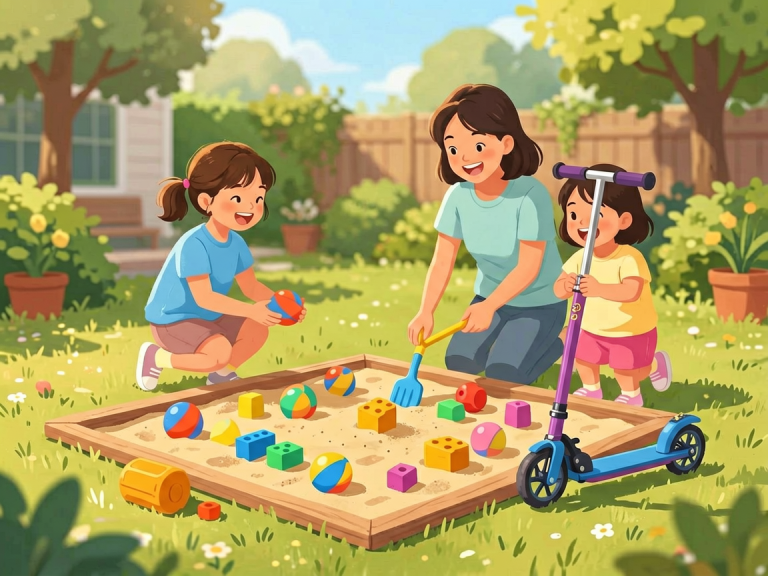
Large, collaborative toys such as board games, jigsaw puzzles, and outdoor play equipment (swings, sandboxes) are ideal for sharing. They teach turn-taking, negotiation, and the joy of achieving a common goal. Choose games that require cooperation rather than competition—like cooperative board games where players work together against the game itself. For example, “The Sneaky, Snacky Squirrel Game” can be played cooperatively, or you can modify rules so that older siblings help younger ones without dominating.
Personal Toys: Respecting Boundaries
Each child should have at least one or two toys that are exclusively theirs—something they don’t have to share. This could be a special doll, a favorite car, or a book. Having personal items reduces anxiety and teaches respect for ownership. When a sibling wants to borrow that toy, they must ask permission. This simple rule helps children learn consent and negotiation at an early age.
Encouraging Cooperative Play and Conflict Resolution
Toys can be powerful tools for teaching social skills. When selecting toys, think about how they might promote positive interaction rather than isolation. For example, consider a puppet theater with multiple puppets—children can create a show together, each taking a different character. A large floor puzzle requires both kids to search for pieces and fit them in. Even simple items like a ball or a jump rope can become cooperative games if you set a rule: “Let’s see how many times we can pass the ball without dropping it.”
Role-Playing Sets for Sibling Dynamics
Doctor kits, grocery store sets, and kitchen playsets are exceptional because they naturally involve role assignment. One child can be the patient, the other the doctor; one can be the cashier, the other the customer. This role-switching builds empathy and perspective-taking. Additionally, you can purchase or create “peacemaking” toys such as a calm-down jar (a glitter-filled bottle) that siblings can use together when emotions run high.
Using Toys to Teach Turn-Taking
For very young siblings, simple toys like a shape sorter or a stacking ring can be used to practice turn-taking. The parent can say, “Now it’s your turn to put the red ring on, and then your sister’s turn.” Over time, children internalize this pattern and apply it to other situations.
Safety Considerations When Siblings Play Together
Safety is paramount, especially with mixed-age siblings. A toy designed for a four-year-old might contain small parts that a two-year-old could choke on. Always check the manufacturer’s age recommendations, but also use common sense. If you have a toddler and an older child, store small-parts toys in a separate container that the younger child cannot access. Designate a “big kid only” play area for the older sibling’s more advanced sets.
Avoiding Common Hazards
- Batteries: Toys with button batteries are extremely dangerous if swallowed. Ensure battery compartments are secured with screws. For siblings, avoid toys that require frequent battery changes.
- Long cords or strings: Pull toys with long cords can pose a strangulation risk for infants. Choose cordless or very short-cord versions.
- Sharp edges or projectiles: Nerf guns and similar toys should only be used in designated areas away from younger children. Establish clear rules about where such toys can be used.
- Noise levels: Some electronic toys can be excessively loud and may startle a baby. Check volume controls or use tape to muffle speakers.
Supervision Is Still the Best Tool
No toy can replace active adult supervision. Even the safest toy can lead to conflict without adult guidance. Use playtime as an opportunity to model sharing language: “I see you both want the same truck. How can we solve this? Maybe one of you can use it for five minutes, and then the other.”
Budget-Friendly Tips for Choosing Sibling Toys
You don’t need to spend a fortune to keep siblings happily engaged. Some of the best toys are simple, reusable, and encourage imagination.
DIY and Repurposed Toys
Cardboard boxes become race cars, castles, or dollhouses. Old blankets and chairs turn into forts. A set of measuring cups and spoons can be a toddler’s engineering set. These items cost nothing and promote creativity. For siblings, a large cardboard box can be a shared project—they can paint it together, cut doors and windows, and decide how to decorate it.
Rotation System
Instead of buying new toys constantly, rotate the existing toy collection every few weeks. Store some toys out of sight, then bring them back. This makes old toys feel new again and reduces the urge to purchase duplicates. It also helps siblings appreciate what they have.
Second-Hand and Swaps
Thrift stores, online marketplaces, and neighborhood toy swaps are excellent sources for high-quality toys at low prices. Board games, puzzles, and wooden blocks often last through multiple families. When you buy second-hand, you’re also teaching your children about sustainability and resourcefulness.
Special Considerations for Twins and Close-in-Age Siblings
Twins or siblings less than two years apart often share similar developmental stages, which can lead to both greater camaraderie and more intense competition. For them, duplicate toys can sometimes be a lifesaver—having two identical dolls or two same-sized tricycles can prevent the “she got the pink one” battle. However, duplicates aren’t always necessary; sometimes a single toy encourages them to learn negotiation. The key is to observe their natural tendencies: if they struggle to share a specific item, buying a second one might be worth the peace.
Building Individuality
Even twins need to feel like individuals. Provide each child with a personal storage bin for their special items. When choosing toys, ask each child to pick one item that reflects their unique interest, rather than always buying matching sets. This fosters a sense of identity while still allowing shared play.
Conclusion: The Bigger Picture
Choosing toys for siblings is about more than preventing fights. It’s about creating a home environment where play is a source of connection rather than competition. The best toys are those that spark curiosity, invite collaboration, and respect each child’s pace. Look for open-ended materials, consider age and personality, establish clear boundaries around sharing, and always prioritize safety. Remember, a toy is just a tool; the real magic happens when siblings learn to negotiate, empathize, and celebrate each other’s differences. With thoughtful selection and a little guidance, playtime can become one of the most joyful and formative experiences of their childhood.