A Comprehensive Guide to Choosing Animal Toys for Newborns: Safety, Development, and Joy
Introduction
The arrival of a newborn brings immense joy and a flurry of decisions for parents, from feeding schedules to nursery decor. Among these, selecting the right toys—especially animal-themed ones—is often underestimated. Animal toys are not just adorable companions; they play a pivotal role in early sensory stimulation, cognitive development, and emotional bonding. However, newborns have unique needs and vulnerabilities. Their sensory systems are immature, their motor skills are limited, and their immune systems are fragile. Therefore, choosing the right animal toy requires meticulous attention to safety, developmental appropriateness, and material quality. This article provides a detailed, research-backed guide on how to choose animal toys for newborns, covering everything from choking hazards to color psychology. By the end, you will be equipped to make informed, nurturing choices that support your baby’s growth while keeping them safe and delighted.
## Safety Comes First: Non-Toxic Materials and Choking Prevention
When it comes to newborns, safety is non-negotiable. The first and foremost criterion for any animal toy is that it must be free from harmful chemicals. Look for toys labeled as BPA-free, phthalate-free, and lead-free. Many soft animal toys are made from polyester or cotton, but ensure that the dyes used are non-toxic and hypoallergenic. For teething newborns, animal-shaped teethers made from food-grade silicone or natural rubber are ideal—they are soft, chewable, and safe. Avoid toys with small parts like buttons, plastic eyes, or removable ribbons that could pose a choking hazard. The American Academy of Pediatrics recommends that any toy for a newborn should be at least 1.25 inches in diameter and 2.25 inches in length to prevent accidental ingestion. For plush animals, check that the eyes and nose are embroidered rather than glued or attached with plastic. Additionally, all animal toys should be washable, as newborns frequently put objects in their mouths. Machine-washable plush toys or easy-to-wipe silicone ones are excellent choices. Finally, inspect the toy’s structural integrity: no loose threads, stuffing that can be pulled out, or sharp edges.
## Developmental Stages: Matching Toys to Your Newborn’s Growth
Newborns develop rapidly during the first year, and their interaction with toys evolves dramatically. For the first two months, a newborn’s vision is blurry—they can only see objects 8 to 12 inches away, and they prefer high-contrast patterns such as black, white, and red. Animal toys with bold stripes, spots, or geometric shapes can stimulate visual tracking. Soft, high-contrast animal mobiles (like pandas or zebras) hung above the crib can encourage early focus. Around 2 to 4 months, babies begin to bat at objects and develop hand-eye coordination. Animal toys with rattles inside, such as a soft elephant with a jingling bell or a crinkly giraffe, provide auditory and tactile feedback. By 4 to 6 months, grasping and mouthing become primary activities. Choose animal toys that are easy to hold, like a small hedgehog with textured rings or a plush bunny with a teething loop. From 6 to 12 months, babies start to explore cause and effect. Animal toys that squeak, vibrate, or have mirrors can engage their curiosity. A plush lion with a hidden mirror inside its mane or a soft cow that moos when squeezed encourages problem-solving. Always select toys that are one step ahead of your baby’s current ability—simple enough not to frustrate, but challenging enough to promote growth.
## Types of Animal Toys: A Diverse Palette for Every Purpose
Not all animal toys serve the same function. Understanding the different categories will help you build a balanced toy collection.
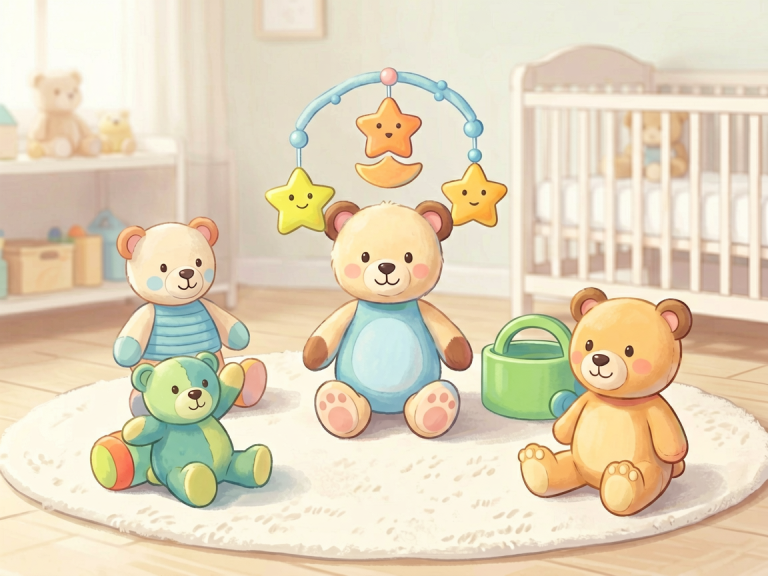
Soft Plush Animals: These are classics for comfort and emotional security. For newborns, choose plush toys that are lightweight, hypoallergenic, and free of loose fibers. A small, cuddly lamb or bear that fits in a baby’s arms can become a lovey. However, avoid oversized plush toys in the crib, as they increase the risk of suffocation. The American Academy of Pediatrics advises that cribs should remain empty of all soft objects until at least 12 months of age. Instead, use plush animals during supervised playtime.
Teething Animal Toys: These combine oral relief with play. Look for animal-shaped teethers with varied textures—bumps, ridges, and smooth surfaces—to soothe sore gums. Options include a silicone octopus, a wooden giraffe (ensure it’s painted with food-grade lacquer), or a frozen fruit-filled teether shaped like a hedgehog. Always check that the teether is made of one solid piece to prevent breakage.
Activity Animal Toys: These include rattles, crinkle books, and soft blocks with animal prints. A crinkle fabric monkey or a rattle shaped like a ladybug provides auditory and tactile stimulation. Some activity toys feature mirrors, which help with self-awareness around 4 months. Others have attached rings or clips that can be fastened to a stroller or car seat, keeping the toy within reach.
Musical and Light-Up Animal Toys: For newborns, gentle lullabies or nature sounds can be calming. A plush owl that plays a soft melody when squeezed can soothe a fussy baby. Light-up toys should have dim, warm lights to avoid overstimulating the eyes. Avoid flashing or strobe lights, which can be jarring.
Developmental Animal Toys: These include stacking rings with animal heads, shape sorters (for older babies), and activity gyms with dangling animal figures. A mat with hanging monkeys and elephants encourages reaching and kicking, developing gross motor skills.
## Material and Durability: What to Look For
Newborns explore the world through their mouths, so the material of an animal toy is critical. Organic cotton or bamboo fiber plush toys are soft, breathable, and free from pesticides. For plastic or silicone toys, choose medical-grade silicone—it is durable, non-porous, and resistant to bacteria. Wooden animal toys (like a small wooden bunny on wheels) should be made from sustainable hardwood such as beech or maple, with smooth, splinter-free surfaces finished in natural beeswax or water-based paint. Avoid painted toys that may chip. Durability is also key: a toy that looks cute but falls apart after a few washes is a safety hazard. Test seams and joints; for plush toys, give them a gentle tug to ensure stuffing stays inside. For battery-operated toys, ensure the battery compartment is secured with screws to prevent babies from accessing batteries. Check for any sharp edges or protrusions. Finally, consider the weight—newborns have limited strength, so a heavy wooden elephant might be frustrating. Lightweight materials like soft fabric or thin silicone are best.
## Visual and Auditory Stimulation: The Right Colors and Sounds
Newborns’ auditory systems are highly sensitive. Animal toys that produce soft, rhythmic sounds are preferable to loud, abrupt noises. A plush cat with a gentle chime, or a toy bird that plays a lullaby, can be reassuring. Avoid toys with volume levels exceeding 80 decibels (about the sound of a vacuum cleaner), as prolonged exposure can damage hearing. For visual stimulation, research suggests that newborns are drawn to primary colors (red, yellow, blue) and high contrast. Animal toys with black-and-white stripes (like a zebra) or red spots (on a ladybug) are particularly captivating. Around 3 months, babies begin to notice patterns and faces. Animal toys with simple, symmetrical faces (large eyes, small nose) are naturally appealing. Some toys feature mirrors; ensure the mirror is shatterproof and securely attached. For older newborns (6+ months), toys with varied textures (furry, smooth, bumpy) provide tactile exploration. A soft caterpillar with segments of different fabrics—fleece, corduroy, satin—can be intriguing.
## Cleaning and Hygiene: Keeping Animal Toys Safe and Sanitary
Newborns are vulnerable to infections, so frequent cleaning of animal toys is essential. Before purchasing, always check the care label. Many plush toys are machine-washable; use a gentle cycle with mild, fragrance-free detergent and dry thoroughly. For toys that cannot be washed (e.g., some musical toys), wipe them with a damp cloth and a small amount of baby-safe disinfectant, then air dry. Silicone and plastic animal toys can be cleaned in the dishwasher (top rack) or boiled in water for a few minutes. However, avoid boiling toys with batteries, electronics, or painted surfaces. Wooden toys should be wiped with a damp cloth and mild soap; never soak them. To prevent mold growth, ensure all toys are completely dry before returning them to the baby. Also, rotate toys regularly to expose your baby to different textures and reduce germ buildup. If a toy becomes damaged—tears, loose parts, discoloration—discard it immediately.
## Tips for Parents: Beyond the Toy Itself
Selecting animal toys is only part of the equation. How you introduce and use them matters. First, always supervise newborn playtime, especially with toys that have small parts or strings. Second, resist the urge to buy too many toys at once. Newborns can be overwhelmed by a cluttered play area; a few carefully chosen animal toys that you rotate weekly will hold their interest best. Third, consider the emotional aspect. A “lovey” (a security blanket or small stuffed animal) can help babies self-soothe. However, introduce it after 6 months when the risk of SIDS decreases, and never attach it to the crib or pacifier with strings. Fourth, look for toys that grow with your child. A simple wooden elephant can be a teether at 4 months, a stacking block at 9 months, and a character for pretend play at 18 months. Finally, remember that the best toy is interaction. Talk to your baby while playing with an animal toy: “Look at the fluffy bear! He says ‘roar’!” This builds language skills and strengthens your bond.
## Conclusion
Choosing animal toys for newborns is a delightful responsibility that blends love, science, and caution. By prioritizing safety—non-toxic materials, no small parts, washable designs—you protect your baby from harm. By matching toys to your newborn’s developmental stage, you nurture cognitive and motor growth. By selecting diverse types—plush, teething, activity, musical—you provide a rich sensory environment. And by maintaining hygiene and supervising play, you ensure a healthy, happy experience. Remember, the goal is not to overwhelm your newborn with a menagerie of toys, but to offer a few trusted companions that spark curiosity, comfort, and joy. With the guidelines in this article, you are well-equipped to make thoughtful choices that will support your baby’s journey from tiny newborn to curious toddler. Happy toy hunting—and may your little one’s first animal friends bring endless smiles.