Best Toys for 2-Year-Olds: A Parent’s Guide to Playful Development
Introduction: Why the Right Toys Matter at Age Two
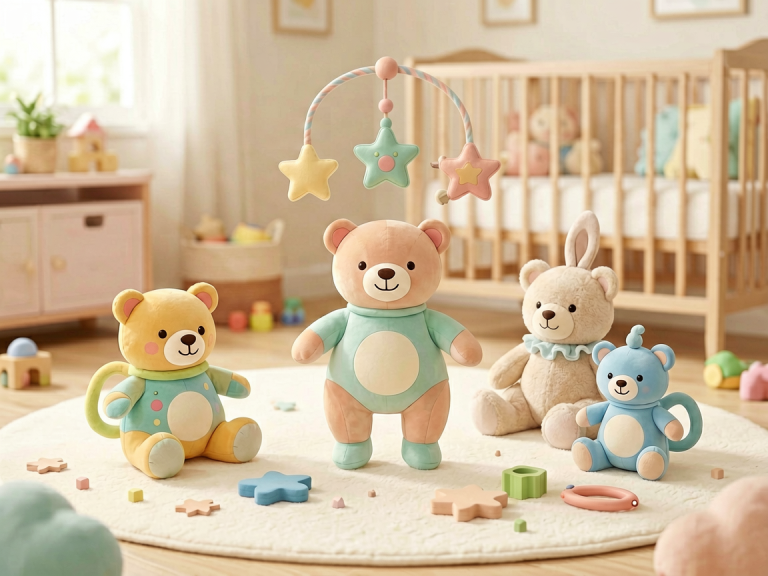
The age of two is a remarkable milestone in a child’s development. Toddlers at this stage are bursting with curiosity, energy, and a rapidly growing understanding of the world around them. They are learning to walk with confidence, speak in short sentences, and assert their independence—often with a resounding “No!” or “Mine!” This period, sometimes called the “terrible twos,” is actually a golden opportunity for parents and caregivers to channel that boundless energy into constructive, skill-building play. The best toys for 2-year-olds are not merely distractions; they are tools that nurture cognitive growth, motor skills, language acquisition, social-emotional understanding, and creativity. However, with countless products on the market claiming to be “educational,” choosing the right toys can feel overwhelming. This guide will help you understand what to look for and recommend specific types of toys that truly support a toddler’s development. From building blocks to pretend play sets, each category serves a distinct purpose. By the end of this article, you will have a clear, research-backed framework for selecting toys that your two-year-old will love—and that will help them thrive.
The Developmental Landscape of a Two-Year-Old
Before diving into specific toys, it is essential to grasp what a typical two-year-old is capable of and what they are working on. At this age, children are refining their gross motor skills: they can run, climb, kick a ball, and walk up and down stairs with assistance. Fine motor skills are also emerging—they can turn pages, stack blocks, scribble with crayons, and manipulate small objects. Cognitively, they are beginning to understand cause and effect, sorting objects by color or shape, and engaging in simple problem-solving. Language development is explosive: most two-year-olds have a vocabulary of 50 to 200 words and are starting to combine two or three words into phrases. Socially, they engage in parallel play (playing alongside other children) and may show signs of empathy, but sharing is still a struggle. Emotionally, they experience intense feelings and need help regulating them. With all this in mind, the best toys for 2-year-olds are those that challenge these emerging abilities without causing frustration, that encourage exploration and repetition, and that are safe for curious mouths and clumsy hands. Safety is paramount—no small parts that can be choking hazards, no sharp edges, and non-toxic materials.
Building Blocks and Construction Sets: The Foundation of Problem-Solving
One of the most timeless and effective categories of toys for two-year-olds is building blocks. Simple wooden blocks, large plastic interlocking bricks (like DUPLO), or foam blocks offer endless possibilities. At age two, children are not yet building complex structures; instead, they are exploring concepts like balance, gravity, and spatial relationships. Stacking blocks and watching them tumble is a lesson in cause and effect. When a toddler successfully places one block on top of another, they experience a sense of accomplishment that boosts confidence. Moreover, building toys encourage hand-eye coordination and fine motor control as they grasp, lift, and position pieces. Look for sets that are chunky and easy to handle. Avoid blocks with sharp corners or very small pieces. A great example is a set of 20–30 wooden blocks in various shapes and colors. These can also be used for sorting and categorizing, which is a foundational math skill. As your child grows, you can introduce more complex sets like magnetic tiles, which allow for creative shapes and are easy to connect. Remember: the goal is not to build a masterpiece but to let your child explore freely. Resist the urge to correct or instruct. Let them knock down towers, stack crookedly, and experiment.
Shape Sorters, Puzzles, and Stacking Toys: Cognitive Growth in Action
Shape sorters and simple puzzles are classic toys that perfectly target a two-year-old’s cognitive development. A shape sorter—a box with holes in different shapes and corresponding blocks—teaches matching, spatial reasoning, and persistence. When a toddler tries to fit a square block into a round hole and fails, they learn to adjust their strategy. This process builds problem-solving skills and frustration tolerance. Simple wooden or chunky plastic puzzles with knobs are also excellent. Look for puzzles with large pieces that depict familiar objects like animals, vehicles, or fruits. At two, children can typically complete puzzles with three to five pieces. Stacking rings, nesting cups, and stacking towers are other variations that teach size ordering, sequencing, and fine motor control. These toys also introduce early mathematical concepts such as “bigger” and “smaller.” When choosing shape sorters or puzzles, ensure the pieces are large enough to prevent choking. Also, consider puzzles with themes that match your child’s interests—if they love dogs, a puzzle with a dog picture will capture their attention. Rotate these toys to keep interest fresh; a puzzle that was too difficult last month may be just right now.
Push, Pull, and Ride-On Toys: Gross Motor Mastery
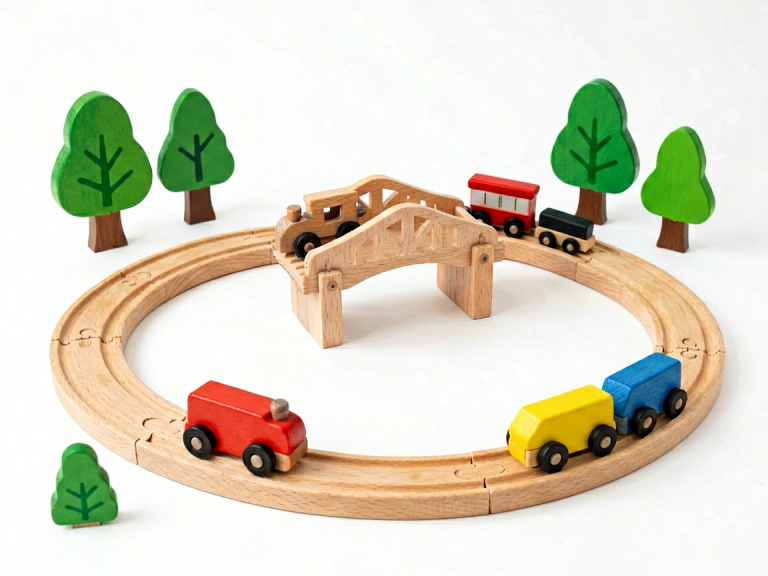
Two-year-olds are on the move, and they love toys that let them practice walking, running, and balancing. Push toys—like a toy lawn mower, shopping cart, or baby stroller—encourage walking while providing support. Pull toys, such as a wooden animal on wheels that follows behind, teach coordination and the concept of cause and effect. Ride-on toys, like a small four-wheeled car or a balance bike (without pedals), are fantastic for developing leg strength and balance. For children who are not yet riding a tricycle, a push car or a small scooter with a wide base offers a safe way to build gross motor skills. These toys also promote spatial awareness as toddlers learn to navigate around obstacles. When selecting a ride-on toy, make sure it is low to the ground and stable to prevent tipping. Some ride-ons come with a handle for parents to push, which is helpful for longer walks. Remember that outdoor play is crucial for a two-year-old’s overall development—fresh air, sunshine, and open space allow them to move freely. Push and pull toys are not just fun; they help strengthen core muscles and improve coordination, setting the stage for more advanced physical activities later.
Musical Instruments: Rhythm, Listening, and Self-Expression
Music is a powerful tool for early development, and simple musical instruments are among the best toys for 2-year-olds. At this age, children love making noise—and that noise is actually a form of learning. Instruments like small drums, tambourines, maracas, xylophones, and bells help toddlers develop a sense of rhythm, cause and effect (shaking makes sound), and listening skills. Playing music also encourages creativity and emotional expression. A toddler who bangs a drum in frustration or shakes a maraca joyfully is learning to channel feelings through action. Furthermore, musical play often involves singing and dancing, which supports language development and coordination. Look for instruments that are durable, easy to grip, and produce pleasant sounds (not ear-splittingly loud). Avoid instruments with small parts that could come loose. A simple set of three or four instruments—like a hand drum, a pair of maracas, and a wooden xylophone—provides variety without overwhelming. You can also incorporate homemade instruments, such as a plastic container filled with dry beans sealed tight, to add an element of DIY fun. Encourage your child to move to the beat, and join in yourself. The shared experience of making music strengthens your bond and models joyful learning.
Art Supplies: Unleashing Creativity and Fine Motor Skills
Two-year-olds are natural artists. They love to scribble, smear, and create, even if the final product looks like a chaotic tangle of lines. Art supplies designed for this age group are not about producing museum-quality works; they are about process. Finger paints, large crayons (egg-shaped or triangular for easy grip), washable markers, sidewalk chalk, and playdough are all excellent choices. These activities strengthen the small muscles in the hands and fingers, which are essential for later writing skills. They also encourage color recognition, spatial awareness, and the ability to make choices (which color to use?). Most importantly, art allows toddlers to express themselves without words. When a child scribbles vigorously, they are communicating energy or excitement. When they choose to paint a single blob, they are making a decision. To keep things safe and mess manageable, choose non-toxic, washable materials. Cover the work area with a plastic tablecloth, dress your child in an art smock, and embrace the mess. Keep sessions short—10 to 15 minutes is plenty. Offer two or three choices (e.g., red and blue paint, not a rainbow) to prevent overwhelm. And never criticize the “results.” Instead, talk about what they are doing: “I see you’re making long lines. That’s interesting!” This validation fuels their confidence.
Pretend Play Sets: The World of Imagination and Social Skills
At two, children begin to engage in symbolic play—using one object to represent another. A block can become a phone, a cardboard box a car. Pretend play sets, such as a toy kitchen, doctor’s kit, tool bench, or dollhouse, tap into this emerging ability. These toys encourage language development as toddlers narrate their actions (“I cook dinner,” “Baby is sleeping”). They also promote social-emotional learning: children practice empathy by caring for a doll, problem-solving by figuring out how to use a toy tool, and cooperation if playing with a sibling or parent. The best pretend play sets for two-year-olds are simple and open-ended. A few plastic plates and cups, a toy phone, and a soft baby doll can provide hours of imaginative play. Avoid overly themed sets that dictate exactly what to do; instead, choose items that can be used in multiple ways. For example, a set of simple animal figures and a barn allows a child to create their own stories. Safety note: ensure that any small accessories are large enough not to be swallowed. Also, check for sturdy construction—toy stoves that tip over easily are frustrating. Remember, your participation is key. Sit down and have a “tea party” or let your child “fix” your toy car. Your involvement enriches the play and deepens your connection.
Sensory Play: Exploring Textures and Calming the Mind
Sensory play is a broad category that includes any activity that stimulates the senses—touch, sight, smell, sound, and even taste (safely). For two-year-olds, sensory play is both fun and calming. Examples include a sensory bin filled with rice, beans, or sand (with scoops and cups), water play tables, playdough, slime, or textured balls. These activities help children regulate their emotions by providing a soothing, repetitive experience. They also promote fine motor skills as children scoop, pour, pinch, and squeeze. Sensory play encourages scientific thinking: “What happens when I pour water into this cup?” “The rice feels different from the beans.” Choose non-toxic, taste-safe materials if your child still mouths objects. A simple sensory bin can be made at home: a shallow plastic container filled with dry oatmeal, a few plastic spoons, and small cups. Supervise closely, especially with small items like beans or rice. Water play can be done in the bathtub or in a small basin on the floor with a towel underneath. These activities can soothe a cranky toddler and provide rich learning opportunities. Rotate sensory materials to maintain novelty.
Outdoor and Active Play: Running, Climbing, and Exploring
No list of best toys for 2-year-olds would be complete without acknowledging the importance of outdoor play. Toddlers need to move their bodies in large spaces. Balls of various sizes (soft, bouncy, textured) are wonderful for practicing throwing, kicking, and catching—though catching will be more like trapping at this age. A small slide or a low climbing structure (like a foam play set) builds confidence and gross motor skills. A tricycle or balance bike introduces pedaling and steering. Sandboxes with shovels and buckets provide hours of sensory and creative play. Even simple activities like blowing bubbles or flying a kite (with help) encourage running and jumping. When selecting outdoor toys, prioritize safety: soft surfaces under climbing equipment, helmets for riding toys, and age-appropriate sizes. Remember that unstructured outdoor time is just as valuable as guided play. Let your child explore a patch of grass, watch a bug, or collect leaves. Nature itself is a fantastic toy. Encourage your toddler to use all their senses: feel the bark of a tree, listen to birds, smell flowers. These experiences build a foundation for scientific curiosity and environmental appreciation.
What to Avoid: Toys That Aren’t Right for Two-Year-Olds
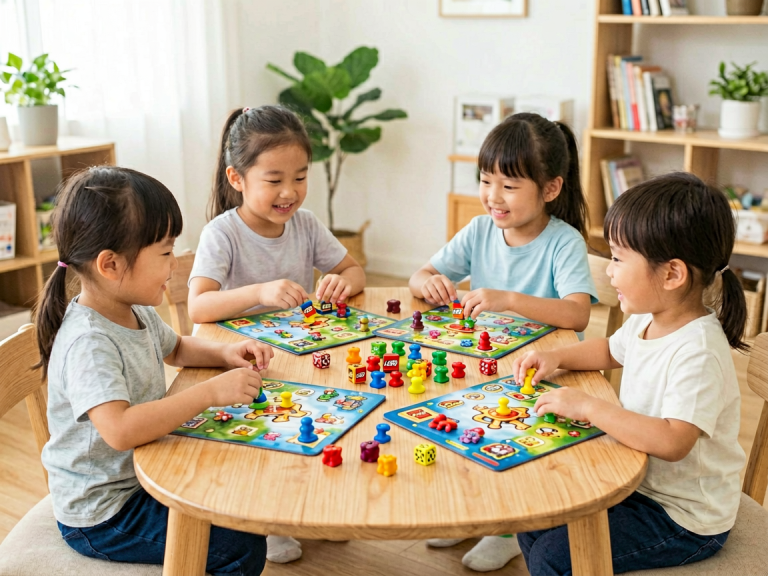
While this article focuses on the best toys, it is equally important to know what to avoid. First, any toy with small parts that can detach and be swallowed is dangerous—even if marketed for toddlers. Check the label for choking hazard warnings. Second, avoid toys that are too advanced or frustrating. A complex puzzle with 20 pieces or a board game with many rules will only lead to tears. Third, avoid electronic toys that do all the work. A talking robot that sings on its own may entertain for a moment, but it does not encourage active engagement. The best toys are those that require your child to do something—push, pull, sort, build, imagine. Finally, avoid overstimulating toys with flashing lights and loud sounds, as they can overwhelm a toddler’s developing nervous system. Simplicity is key: the fewer bells and whistles, the more room for creativity.
Conclusion: Choosing Toys That Grow with Your Child
The best toys for 2-year-olds are not the flashiest or most expensive. They are the ones that invite exploration, encourage repetition, and adapt to a child’s growing abilities. A set of wooden blocks can be used for stacking today and for pretend play next month. A shape sorter teaches patience and logic now and can later be used for color sorting. As a parent or caregiver, you are the best judge of what interests your child. Observe them: do they gravitate toward music? Offer a drum. Do they love to climb? Get a small slide. Do they mimic your actions? A toy kitchen set will be a hit. Remember that the most important element of any toy is your presence. Sit on the floor, play alongside them, and engage in their world. The toys are just props; the real magic happens in the interaction. By choosing wisely and playing intentionally, you will support your two-year-old’s development through the most natural and joyful method of all: play.