The Ultimate Guide to Comparing Toys: How to Choose the Best for Your Child
Introduction
Every parent, caregiver, or gift-giver has faced the overwhelming aisles of a toy store or the endless scroll of online listings. With thousands of options—from plush animals to coding robots—making the right choice can feel like a minefield. The key to cutting through the noise is a systematic approach to comparing toys. This guide provides a comprehensive framework for evaluating toys based on safety, developmental value, durability, and fun. Whether you are shopping for a toddler’s first puzzle or a preteen’s science kit, learning how to compare toys effectively will save you money, reduce clutter, and ensure that the child receives a toy that truly enriches their playtime.
Why Comparing Toys Matters
Toys are not just entertainment; they are tools for learning, social development, and physical growth. A poorly chosen toy can frustrate a child, pose safety risks, or end up ignored in a corner. On the other hand, a well-researched toy can spark creativity, build fine motor skills, and teach problem-solving. Comparing toys allows you to weigh trade-offs: Is an expensive electronic toy worth it compared to a simple set of wooden blocks? Does a toy labeled “educational” actually deliver on its promise? By systematically comparing features, you move beyond marketing hype and make evidence-based choices that align with the child’s interests and developmental stage.
Key Factors to Consider When Comparing Toys
To make an informed comparison, focus on six core categories. Each factor interacts with the others, so a balanced evaluation is essential.
*Educational Value*
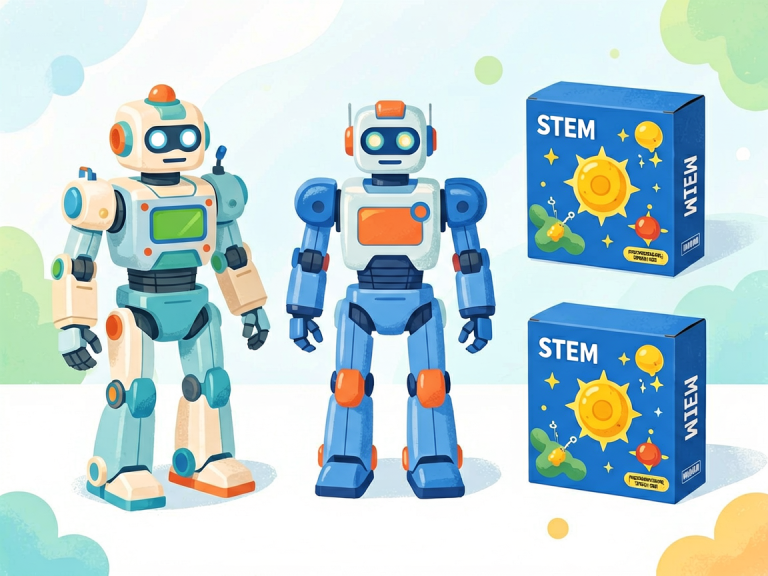
The best toys teach without feeling like homework. When comparing, ask: Does this toy encourage open-ended play (e.g., building blocks, art supplies) or closed-ended play (e.g., puzzles with one correct solution)? Open-ended toys often offer greater long-term educational benefits because they adapt to a child’s growing imagination. Also, look for toys that promote STEM skills (science, technology, engineering, math) or literacy, but ensure the learning is integrated naturally. For example, a magnetic tile set teaches geometry and spatial reasoning through play, while a flashcard set may feel too rigid. Compare the depth of learning: a single-function toy may only teach one skill, whereas a versatile toy can develop multiple competencies.
*Age Appropriateness*
Age labels on toy packaging are not arbitrary—they reflect safety and developmental benchmarks. A toy for a 3-year-old might contain small parts hazardous to an infant, while a toy rated for 8+ might bore a teenager. When comparing, look beyond the recommended age range and consider the child’s actual skill level and interests. A precocious 4-year-old might enjoy a 6+ coding game, but if the frustration level is too high, they may lose interest. Conversely, a toy that is too simple for an older child can damage confidence. Always compare the complexity of instructions, the number of pieces, and the required physical dexterity.
*Safety Standards*
Safety is non-negotiable. Compare toys based on material composition (e.g., BPA-free plastic, non-toxic paint), sharp edges, small parts, and choking hazards. For electronic toys, check for battery compartment security and overheating risks. In the United States, look for ASTM or CPSC certification; in Europe, the CE mark. Even among similar products, safety can vary: a cheap knock-off doll may contain lead paint, while a reputable brand undergoes rigorous testing. Read reviews—not just star ratings but specific comments about wear and tear. Compare the manufacturer’s recall history if possible.
*Durability and Quality*
A toy that breaks within a week is a waste of money and a source of frustration. Compare materials: solid wood versus particle board, thick plastic versus brittle thin plastic, reinforced stitching versus loose seams. For electronic toys, consider battery life and ease of repair. Read user experiences: do the wheels fall off the toy car after a few days? Does the paint chip easily? High-quality toys often come with warranty or satisfaction guarantees. When comparing, also think about longevity—will the toy survive multiple children or years of play? For example, a classic LEGO set can last decades, while a light-up plastic toy may fade after a season.
*Price and Value for Money*
Price alone is misleading. Compare the cost-per-use: a $50 toy that provides hundreds of hours of replay offers better value than a $10 toy used once. Also, factor in the need for additional purchases—some toys require batteries, refills, or expansion packs. Compare second-hand options as well; many high-quality wooden toys are built to last and can be found at thrift stores. Beware of “subscription” toys that lock you into monthly fees. A good comparison includes the total cost of ownership.
*Engagement and Fun Factor*
The most important criterion: will the child actually play with it? Compare the toy’s ability to sustain interest. Does it have multiple modes, levels of difficulty, or open-ended possibilities? A toy that offers only one activity may become boring quickly. Look at parent and child reviews for mentions of “keeps my child busy for hours” versus “played with it for five minutes.” Fun is subjective, so consider the child’s personality—an introvert may prefer solo construction, a social child may enjoy cooperative board games. Compare how the toy encourages creativity versus passive consumption (e.g., a screen that simply plays videos).
Comparing Different Types of Toys
Toys fall into broad categories, and comparing within and across categories helps narrow choices.
*Traditional vs. Digital Toys*
Traditional toys (wooden blocks, dolls, action figures) often foster hands-on interaction and imagination. They rarely require charging or screen time. Digital toys (tablets, coding robots, electronic games) can teach coding and digital literacy but may reduce physical activity and face-to-face interaction. Compare the balance: a hybrid toy like an interactive globe that uses augmented reality can combine both worlds. For young children, traditional toys are often superior for sensory and motor development. For older children, digital toys can provide advanced challenges.
*Active vs. Quiet Play Toys*
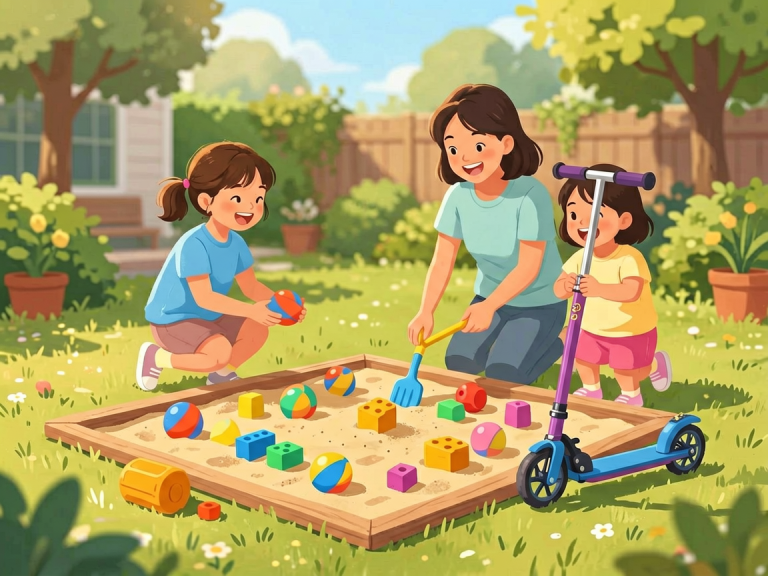
Active toys (bicycles, jump ropes, sports equipment) promote physical health and gross motor skills. Quiet toys (puzzles, books, art supplies) encourage focus and fine motor skills. Compare the child’s activity level needs: a hyperactive child may benefit from active toys to burn energy, while an anxious child may prefer calming quiet toys. Many parents find a mix is essential. When comparing, consider whether the toy can be used indoors or outdoors, and whether it requires adult supervision.
*Solo vs. Social Toys*
Solo toys (building sets, solo board games) teach independence and self-entertainment. Social toys (board games, team sports equipment, role-play sets) develop communication, cooperation, and empathy. Compare based on the child’s social environment: an only child may need more social toys for playdates, while a child with many siblings may need solo toys for personal time. Also consider the toy’s ability to scale—some construction sets can be played alone or in groups.
How to Use Reviews and Ratings in Your Comparison
Online reviews are invaluable, but they require critical reading. Compare reviews across multiple platforms (Amazon, Walmart, independent blogs). Look for detailed reviews from verified purchasers, especially those with children in the same age range. Pay attention to recurring complaints: “broke in a day” or “too complicated.” Also note positive patterns: “my 3-year-old loves this.” Beware of fake reviews—if all reviews are five-star and generic, be skeptical. Use review aggregators or video unboxings to see the toy in action. Compare the overall rating with the number of reviews; a 4.8-star rating from 20 reviews is less reliable than a 4.5-star rating from 2,000 reviews.
A Step-by-Step Toy Comparison Checklist
To streamline your next purchase, follow this checklist:
- Identify the child’s interests and developmental needs.
- Set a budget, including hidden costs (batteries, expansion packs).
- List 3–5 candidate toys that match.
- For each toy, research: educational value, age range, safety certifications, material durability, and average playtime per session.
- Read at least 10 recent reviews, noting pros and cons.
- Weigh the trade-offs: e.g., token electronic toy vs. classic wooden set.
- Consider resale value or hand-me-down potential.
- Make your final choice and keep receipts for returns.
Conclusion
Comparing toys is not about finding a perfect, one-size-fits-all answer; it’s about making a thoughtful decision that brings joy and growth to a child. By focusing on educational value, safety, durability, and fun, and by using a systematic checklist, you can navigate the toy market with confidence. Remember that the best toy is one that a child returns to again and again—and that aligns with your values as a caregiver. Armed with this guide, you are ready to compare any toy on the shelf and choose wisely. Happy playing.