The Best Building Toys for Kids: Unlocking Creativity and Cognitive Skills
Building toys have long been a staple in children’s playrooms, and for good reason. They are not merely sources of entertainment; they are powerful tools that foster creativity, problem-solving, spatial awareness, and fine motor skills. With countless options on the market, from classic wooden blocks to high-tech magnetic sets, choosing the right building toy for your child can feel overwhelming. This article explores the best building toys for kids across different age groups, highlighting their educational benefits and why they deserve a place in every child’s toy collection. Whether you are a parent, educator, or gift-giver, this guide will help you make an informed decision.
Why Building Toys Matter for Child Development
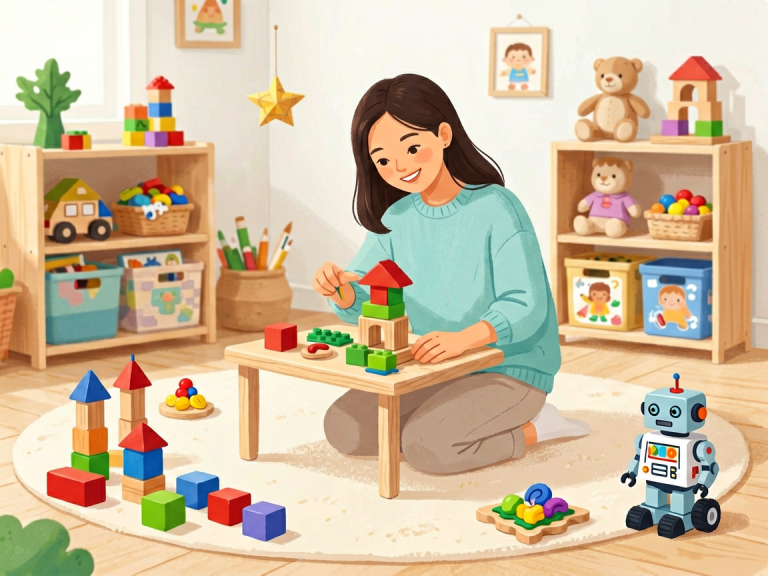
Building toys are more than just stacks of plastic or wood. They engage children in open-ended play, which is critical for cognitive development. When a child builds a tower, a bridge, or a spaceship, they are actively experimenting with physics, balance, and geometry. They learn cause and effect: why does the tower fall? How can I make it stronger? These questions lead to trial and error, persistence, and resilience.
Moreover, building toys enhance fine motor skills. Grasping, stacking, and connecting pieces require hand-eye coordination and dexterity, which are foundational for writing and other daily tasks. Socially, building toys encourage collaboration. When siblings or friends build together, they negotiate, share ideas, and solve problems as a team. Finally, building toys stimulate imagination. A set of simple blocks can become a castle, a robot, or a futuristic city. There is no right or wrong way to play, which boosts confidence and creative thinking.
Top Building Toys for Toddlers (Ages 1–3)
For the youngest builders, safety and simplicity are paramount. Toddlers are still developing their grip and coordination, so building toys should be large, lightweight, and free of small parts that could be choking hazards.
Mega Bloks First Builders
Mega Bloks are a classic choice for toddlers. Their oversized, interlocking blocks are easy for small hands to grasp and stack. The First Builders sets come with colorful blocks and sometimes include themed pieces like animals or vehicles. These blocks help toddlers understand basic concepts like size, color, and stacking. They are also durable and easy to clean, making them ideal for messy play.
LEGO Duplo
LEGO Duplo is another excellent option for ages 1.5 to 3. Duplo bricks are twice the size of standard LEGO bricks, making them safe and manageable. Sets often feature familiar themes—farm animals, trains, or houses—that spark storytelling. Because Duplo is compatible with regular LEGO, children can transition smoothly as they grow. Parents appreciate the educational value; Duplo encourages counting, matching, and early construction skills.
Wooden Building Blocks
Classic wooden blocks never go out of style. A simple set of unpainted or brightly painted hardwood blocks—cubes, cylinders, arches, and triangles—offers endless possibilities. Toddlers love to stack them, knock them down, and arrange them in patterns. Wooden blocks are eco-friendly, extremely durable, and promote sensory exploration. They also help develop balance and an intuitive understanding of physics. Look for sets that are sanded smooth and coated with non-toxic finishes.
Engaging Building Toys for Preschoolers (Ages 3–5)
As children enter preschool, their fine motor skills improve, and they become more interested in creating complex structures. They also start to engage in pretend play. Building toys for this age group should offer more variety and challenge while remaining safe.
LEGO Classic Sets
LEGO Classic sets are perfect for preschoolers who are ready for smaller bricks but still need guidance. These sets contain a mix of basic bricks, wheels, windows, and special pieces like eyes or propellers. They come with simple building ideas but encourage free creation. The Classic line is budget-friendly and allows children to follow instructions or invent their own designs. Building with LEGO helps with pattern recognition, sequencing, and following directions.
Magnetic Tiles (Magnatiles or PicassoTiles)
Magnetic tiles have exploded in popularity in recent years, and for good reason. These translucent, geometric shapes snap together with magnets inside their edges. Preschoolers can build towers, houses, rockets, and even 3D shapes like cubes and pyramids. Magnetic tiles are excellent for teaching geometry, symmetry, and magnetism. They also promote creativity because the pieces attach at multiple angles. Unlike sticky tape or glue, magnets make construction quick and frustration-free. The tiles are always a hit in classrooms and playrooms.
Plus-Plus
Plus-Plus is a unique building system consisting of small, double-ended pieces shaped like plus signs. Children connect them in any direction—horizontally, vertically, or in curves—to create flat mosaics, 3D structures, or even wearable designs. For preschoolers, the larger “Plus-Plus BIG” version is recommended because it is easier to handle. This toy enhances fine motor control, patience, and design thinking. It is also a great travel companion because it comes in a compact tube.
Building Toys for School-Age Kids (Ages 6–12)
Older children crave more complexity and detail. They can follow intricate instructions, build mechanical models, and even incorporate motors or lights. The best building toys for this group challenge their engineering skills and spark an interest in STEM (science, technology, engineering, and math).
LEGO Technic
LEGO Technic is a step up from standard LEGO. Sets include gears, axles, pins, beams, and sometimes motors. Children build functional models like cars with steering, cranes that lift, or helicopters with spinning rotors. This is an excellent introduction to mechanical principles. The instructions are detailed and require careful attention, which improves focus and logical thinking. Older kids can also combine sets to create custom machines. LEGO Technic is a favorite among budding engineers.
K’NEX
K’NEX uses a rod-and-connector system that allows children to build moving vehicles, roller coasters, and even amusement park rides. The pieces snap together firmly and come in various shapes: rods, connectors, wheels, and special parts like gears. K’NEX sets often include instructions for multiple models, but experienced builders can invent their own. Building with K’NEX teaches structural integrity, balance, and the principles of mechanics. Many sets also come with a motorized component, adding an exciting dynamic.
Magnetic Building Sets (e.g., Geomag or SmartMax)
Magnetic building sets for older children often incorporate steel balls or rods. Geomag, for example, uses magnetic rods and steel spheres to create complex geometric structures like cubes, spheres, towers, and even suspension bridges. These sets challenge spatial reasoning and understanding of magnetic forces. SmartMax offers larger, safer magnets in a similar style. These toys are especially appealing for visual-spatial learners and can be combined with other building toys for even more creative possibilities.
Meccano (Erector Sets)
Meccano is the classic metal construction system that has been around for over a century. Sets include metal strips, plates, nuts, bolts, and tools. Children build realistic models like cars, robots, and cranes that often feature moving parts or gears. Some modern Meccano sets include electric motors and remote controls. This toy teaches the basics of construction and engineering—tightening bolts, aligning holes, and following complex diagrams. It requires patience and precision, making it ideal for meticulous older kids.
Factors to Consider When Choosing Building Toys
Not every building toy is suitable for every child. When selecting, consider the following factors to ensure a positive experience:
Age Appropriateness
Always check the manufacturer’s age recommendation. Toys with small parts pose choking risks for younger children. Conversely, toys that are too simple may bore older kids. Look for sets that allow room for growth—some can be combined with other sets to increase complexity.
Open-Endedness
The best building toys encourage free play, not just following instructions. While guided building is valuable, children should also be able to create their own designs. Sets that offer a variety of pieces and possibilities are more likely to engage children over the long term.
Safety and Durability
Ensure the toy is made of non-toxic materials and has no sharp edges. For toddlers, avoid magnets that are small enough to swallow. For all ages, check that the pieces are sturdy and won’t break easily, especially if the child tends to drop or throw them.
Storage and Portability
Building sets often come with many small pieces that can get lost. Look for sets that include a storage box or bag. Portable sets (like Plus-Plus in a tube) are excellent for travel or visits to grandparents.
Budget
Building toys range from inexpensive (basic wooden blocks) to quite costly (large LEGO Technic sets). Decide what you are willing to spend, but remember that high-quality toys often last for years and can be passed down. Also consider that many sets are expandable, so you can add pieces over time.
Conclusion
Building toys are an investment in your child’s future. They nurture creativity, resilience, and problem-solving skills in a way that screens cannot. From the chunky blocks that delight a toddler to the intricate gears that challenge a pre-teen, there is a perfect building toy for every age and interest. The best building toys for kids are those that align with the child’s developmental stage and spark genuine curiosity. Whether you choose LEGO, magnetic tiles, wooden blocks, or K’NEX, you are giving the gift of constructive play—a gift that keeps on building. So, clear a space on the floor, dump out the pieces, and watch your child’s imagination take shape.