The Ultimate Guide to the Best Gifts for 3-Year-Olds: Fostering Fun, Learning, and Growth
Introduction
Selecting the perfect gift for a three-year-old can be both delightful and daunting. At this age, children are bursting with curiosity, rapidly developing language skills, refining their motor abilities, and beginning to understand social dynamics. They are no longer toddlers but are also not yet preschoolers in the full sense—they exist in a magical transitional phase where imaginative play takes center stage, and every object can become a rocket ship, a telephone, or a dinosaur. The best gifts for three-year-olds are those that balance entertainment with developmental benefits, encourage independence while ensuring safety, and spark creativity without overwhelming their still-forming attention spans. This comprehensive guide explores the top categories of gifts that three-year-olds will love, backed by insights into child development, safety considerations, and real-world parent feedback. Whether you are a parent, grandparent, aunt, uncle, or family friend, these recommendations will help you choose a present that brings joy and supports key milestones during this wonderful year.
1. Building and Construction Toys: The Foundation of Creative Problem-Solving
Three-year-olds are natural engineers. They love stacking blocks, knocking them down, and stacking them again. Construction toys not only provide endless fun but also enhance fine motor skills, spatial awareness, and hand-eye coordination. The best options are those with large, easy-to-grasp pieces that pose no choking hazard.
Magnetic Tiles (e.g., Magna-Tiles or Picasso Tiles) are a top-tier choice. These translucent plastic tiles with embedded magnets allow children to build 2D shapes and 3D structures, from simple squares to elaborate castles. They are extremely durable, easy to clean, and encourage open-ended play. Children learn about geometry, balance, and cause-and-effect as they experiment with different configurations. Many sets include wheels, windows, and other accessories to expand play possibilities.
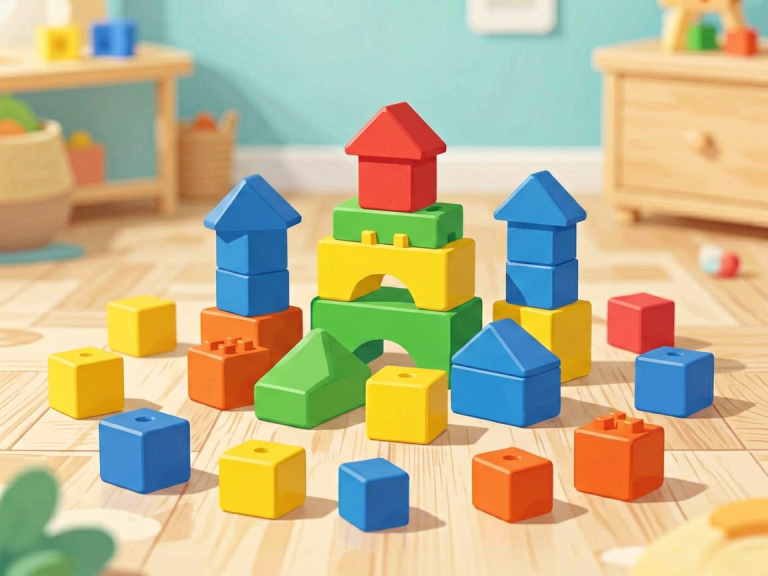
Large Wooden Block Sets are another timeless option. Unlike plastic bricks that require precise alignment, wooden blocks offer a forgiving building experience. A set of 50 to 100 blocks in various shapes (rectangles, cylinders, arches) can be used for towers, bridges, and pretend roads. The natural texture and weight of wood provide satisfying sensory feedback. For added value, look for blocks that include numbers, letters, or colorful patterns to introduce early literacy and math concepts.
DUPLO Sets by LEGO are specifically designed for small hands. Unlike standard LEGO bricks, DUPLO pieces are twice the size and cannot be swallowed. Themed sets like the “Police Station” or “Mickey and Friends” offer simple building instructions that a three-year-old can follow with minimal adult help. More importantly, DUPLO sets encourage storytelling—children can create a farm, a fire station, or a jungle and act out scenarios with the included figures.
2. Pretend Play and Role-Playing Kits: Where Imagination Takes Flight
At age three, children begin to imitate adult behaviors and engage in symbolic play. A cardboard box becomes a car, a stick becomes a sword, and a blanket becomes a cape. Pretend play is critical for developing empathy, language skills, and social understanding. The best gifts in this category are those that mirror real-life activities in a safe, child-friendly way.
Play Kitchens and Food Sets are perennial favorites. A simple wooden or plastic kitchen with a stove, sink, and oven allows a child to “cook” for their stuffed animals or parents. Add a set of pretend fruits and vegetables that can be sliced (using a safe, plastic knife) and a few pots and pans, and you have hours of structured play. Look for kitchens with knobs that click, doors that open, and storage space to teach organization. Some modern sets include play food with Velcro pieces that “cut” apart, reinforcing fine motor skills and introduction to healthy eating.
Dress-Up Costumes ignite creativity and help children explore different roles. A firefighter helmet, a doctor’s lab coat with a toy stethoscope, a butterfly wings set, or a construction worker’s hard hat and tool belt allow a three-year-old to step into someone else’s shoes. Full-body costumes like a princess gown, a dinosaur outfit, or a superhero cape can be worn repeatedly. The key is to choose costumes made from soft, breathable fabrics without choking hazards (avoid long drawstrings or small buttons). A small mirror nearby enhances the experience, as three-year-olds love looking at their transformed selves.
Tool Benches and Play Tool Sets are excellent for both boys and girls. A plastic workbench with a pretend saw, hammer, screwdriver, and wrenches encourages problem-solving and role-playing. Children can “fix” toys, pretend to build furniture, or simply enjoy the satisfying click of a plastic screw being turned. Some sets include a bench with a vise, gears, and a small workbench light. This type of play also teaches safety concepts—parents can explain that tools are for work, not for hitting, and practice using them together.
3. Active and Outdoor Gifts: Channeling Boundless Energy
Three-year-olds have a seemingly endless supply of energy. They need opportunities to run, jump, climb, and practice gross motor skills. Outdoor and active gifts not only promote physical health but also improve balance, coordination, and confidence. Safety is paramount, so choose products that are sturdy and age-appropriate.
Balance Bikes are arguably the best active gift for this age. Unlike training-wheel bikes, balance bikes have no pedals—children sit on the seat, walk or run with their feet, and learn to balance naturally. This method teaches steering and gliding, often allowing children to transition to a pedal bike by age four or five without needing training wheels. Look for lightweight models with adjustable seats and pneumatic tires for a smoother ride. Safety gear (a properly fitted helmet) is non-negotiable.
Push Toys and Ride-Ons provide great fun for slightly younger threes or those less confident on two wheels. A sturdy tricycle with wide wheels and a low seat is excellent for developing pedaling motion. Alternatively, a classic “Cozy Coupe” car (foot-to-floor powered) lets children zoom around the yard, learning to steer and coordinate their legs. For indoor fun, consider a mini trampoline with a safety handlebar—a bouncy activity that strengthens leg muscles and provides sensory input. Always use a trampoline with safety net and pads, and supervise closely.
Splash Play Toys suit warm weather. A small inflatable pool (shallow, with no sharp edges), a water table with cups and boats, or a set of splash balls can engage a three-year-old for hours. Water play is inherently calming and educational—children learn about volume, floating, sinking, and cause-and-effect. Add a kid-sized watering can and some plastic buckets, and you have a mini outdoor water lab.
4. Art and Sensory Materials: Unlocking Self-Expression
Three-year-olds are developing fine motor skills that allow them to make marks, squeeze, and manipulate small objects. Art and sensory gifts provide a creative outlet, reduce stress, and build confidence. The best products are non-toxic, washable, and designed for small, sometimes messy, hands.
Finger Paints and Washable Crayons are a staple. High-quality finger paints (such as those by Crayola or Melissa & Doug) come in vibrant colors and are safe if accidentally ingested in small amounts. Lay down a plastic tablecloth, put on a smock, and let your child squish and smear. Finger painting promotes sensory exploration and color mixing. Washable crayons are easier to grip than regular crayons and come in triangular shapes that encourage proper pencil grip. Some brands offer “egg-shaped” crayons that are perfect for tiny fists.
Play-Doh and Modeling Clay offer endless possibilities. A set of a few pots of Play-Doh in primary colors, plus simple tools like rolling pins, cookie cutters, and plastic knives, lets children create snakes, balls, flowers, and pretend food. Play-Doh is soft and forgiving, building hand strength and creativity. For a more structured experience, try “Play-Doh Kitchen Creations” sets that let kids push dough through a toy pasta maker or shape cookies. Always check that the compound is non-staining and non-toxic.
Sensory Bins and Kits are a wonderful way to engage multiple senses. You can purchase pre-made sensory bins filled with colored rice, kinetic sand, or water beads, along with scoops, funnels, and small toys. These bins encourage tactile exploration, sorting, and scooping, which builds fine motor control. For an eco-friendly option, create your own using a large plastic bin, dry beans, pasta shapes, and small plastic animals. Supervision is key, especially with items that could be a choking hazard, but the benefits for language development (describing textures) and calm-down time are immense.
5. Music and Sound Gifts: Rhythmic Development and Joy
Music stimulates brain development in young children, improving memory, language, and emotional regulation. Three-year-olds love making noise—and making music. The best musical gifts are durable, easy to use, and produce pleasant (or at least tolerable) sounds.
Simple Percussion Instruments such as a set of maracas, a small tambourine, a xylophone, and a pair of rhythm sticks allow a child to experiment with tempo and volume. Look for instruments made of wood or thick plastic with smooth edges. A kid-sized xylophone with color-coded bars helps children recognize patterns and cause-effect (striking a bar creates a note). Some electronic music tables or activity boards incorporate lights and buttons that play sounds, but simpler acoustic instruments often encourage more creative play.
Sing-Along Microphones or karaoke machines designed for children can be a huge hit. A sturdy, non-breakable microphone with a built-in speaker (or that connects to a phone via Bluetooth) lets a child belt out nursery rhymes or songs they’ve memorized. Some models come with pre-recorded songs and voice-changing effects (e.g., monster, echo). This kind of play builds vocabulary, confidence in public expression, and pure enjoyment.
Musical Books and Storytellers combine reading with sound. There are board books that play a lullaby when a button is pressed, or interactive storybooks with sound effects (animal noises, vehicle sounds). For a more tech-forward option, consider a Yoto Player or a Toniebox—screen-free audio devices that play stories and songs via discs or figurines. Three-year-olds can operate these independently, choosing their favorite characters like Peppa Pig or Pete the Cat. These devices foster listening skills, imagination, and a love for stories.
6. Books and Puzzles: Building Early Literacy and Cognitive Skills
At three, many children are starting to recognize letters, understand story sequences, and enjoy looking at detailed pictures. Books that are engaging and interactive, along with appropriate puzzles, are gifts that provide quiet time and intellectual growth.
Board Books with Flaps, Textures, and Sound Buttons are perfect. Titles like *Dear Zoo* (with lift-the-flaps) or *Pat the Bunny* (with touch-and-feel elements) keep little hands busy. Look for books with simple rhyming text or repetitive phrases that encourage participation. Books featuring favorite characters from TV shows (e.g., Bluey, Daniel Tiger) can be especially engaging. Reading together builds vocabulary, comprehension, and bonding.
Floor Puzzles with Large Pieces (24 to 48 pieces) challenge a three-year-old’s problem-solving ability and patience. Choose puzzles with bright, captivating images—animals, vehicles, or scenes from nature. Wooden puzzles with knobs are good for younger threes, while jigsaw floor puzzles work for older threes. Puzzles teach shape recognition, spatial reasoning, and the concept of part-to-whole. Completing a puzzle gives a strong sense of accomplishment.
Magnetic Storyboards and Dry-Erase Activity Books provide reusable fun. For example, a magnetic dress-up board with different outfits lets children mix and match clothes on a magnetic figure, developing creativity and fine motor skills. Dry-erase books with mazes, tracing lines, and dot-to-dot activities can be used over and over, preparing little hands for writing. Always use non-toxic, washable markers.
7. Gift-Giving Tips for Safety and Longevity
Before finalizing any gift, consider a few practicalities. First, check the age recommendations on the packaging. While most toys labeled for ages 3+ are safe, always inspect for small parts that could be choking hazards, sharp edges, or long cords that might pose strangulation risks. Second, think about the child’s current interests and temperament. A highly active child might prefer outdoor gifts, while a more contemplative child may adore puzzles and books. Third, consider the gift’s storage requirements—some play kitchens are large and require significant space. Finally, remember that experience gifts (a zoo membership, a museum pass, or a music class) can be just as valuable as physical toys. They create memories and foster shared activities with family.
Conclusion
The best gifts for three-year-olds are those that respect their developmental stage—encouraging exploration, creativity, movement, and social interaction. From building magnetic towers to pretending to cook dinner, from pedaling a balance bike to dancing with a tambourine, each of these categories offers opportunities for learning and pure joy. The ideal present will likely combine fun with a subtle educational push, allowing the child to grow while feeling adored. Remember that the most important element of any gift is the loving message it carries: “I see you. I celebrate you. I want to play with you.” With that spirit, any carefully chosen toy becomes a gateway to countless hours of laughter, discovery, and connection.