The Silent Revolution: What to Know Before You Choose Quiet Toys
Introduction: The Unspoken Power of Silence
In a world increasingly dominated by flashing lights, electronic beeps, and incessant digital noise, the humble quiet toy is experiencing a renaissance. Parents, educators, and child development specialists are rediscovering the profound value of toys that do not shout, buzz, or demand attention. Yet choosing the right quiet toy is far more nuanced than simply picking a plush animal or a wooden block off the shelf. The decision involves understanding child psychology, developmental milestones, safety standards, and even the subtle dynamics of family life. Before you make that purchase, there are critical factors to consider that can transform a simple object into a tool for growth, imagination, and peace. This article explores everything you need to know before you choose quiet toys, from their hidden benefits to potential pitfalls.
What Defines a Quiet Toy? Beyond the Absence of Noise
The Spectrum of Silence
Not all quiet toys are created equal. The term "quiet toy" can refer to any plaything that does not produce electronic sounds, alarms, or loud mechanical noises. However, this definition is too narrow. True quiet toys engage children in ways that minimize environmental noise while maximizing internal cognitive activity. They include wooden puzzles, fabric books, knitting kits, building blocks, sensory bins with rice or sand, art supplies, and even simple musical instruments like a wooden xylophone struck softly. The common thread is that these toys invite concentration rather than overstimulation.
The Myth of Boredom
Some parents worry that quiet toys may bore their children, especially in an era of high-tech entertainment. Research in developmental psychology suggests the opposite. According to a study published in the journal *Child Development*, children who play with open-ended, low-stimulation toys exhibit longer attention spans and more creative problem-solving skills. A quiet toy does not entertain the child; it empowers the child to entertain themselves. This distinction is crucial when evaluating potential purchases.
The Science of Silence: How Quiet Toys Shape Developing Brains
Cognitive Benefits: Deep Focus and Executive Function
Quiet toys are uniquely suited to fostering what psychologists call "deep play." When a child is not interrupted by external sounds or flashing lights, the brain enters a state of focused attention. This is where executive function skills—such as planning, impulse control, and cognitive flexibility—are built. For example, a simple set of magnetic tiles encourages a child to design a structure, solve balance issues, and adapt when a tower falls. The silence allows the child to hear their own thinking, a process that is drowned out by noisy, reactive toys.
Emotional Regulation: The Calming Effect
Many quiet toys serve as emotional anchors. A weighted stuffed animal, a soft fabric doll, or a quiet fidget tool can help a child self-soothe during moments of anxiety or transition. Occupational therapists often recommend quiet toys for children with sensory processing disorders or autism spectrum conditions. The absence of unpredictable sounds reduces the sensory load, allowing the child to feel safe and in control. This is not merely a comfort—it is a neurological necessity for many young minds.
Language Development: Inner Monologue and Storytelling
When a child plays quietly with dolls, puppets, or miniature figures, they often engage in private speech—talking to themselves or to their toys. This is a vital step in language development. Vygotsky's theory of cognitive development emphasizes that private speech helps children regulate their behavior and practice social scripts. Noisy toys that talk for the child actually inhibit this process. By choosing a quiet toy, you are giving your child the space to create their own narratives, expanding vocabulary, grammar, and narrative skills naturally.
Age Appropriateness: Matching Quiet Toys to Developmental Stages
Infants and Toddlers (0–2 years): Safe Sensory Exploration
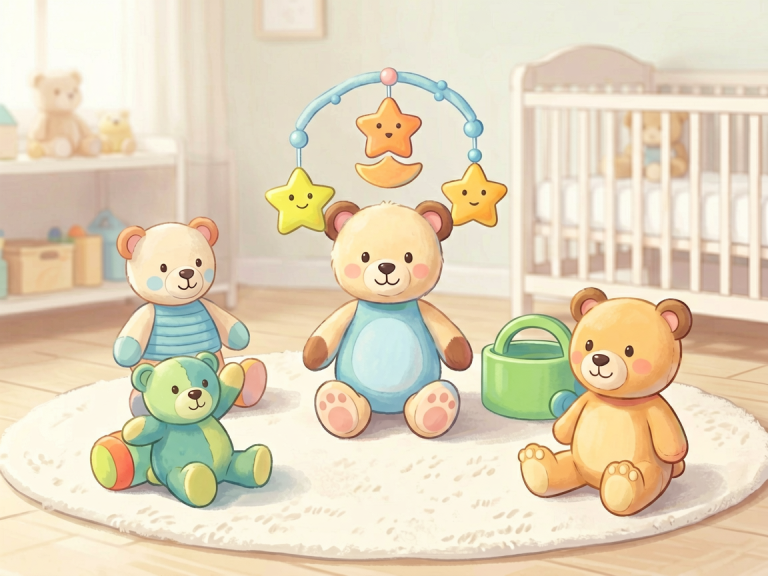
For the youngest children, quiet toys must prioritize safety above all. Avoid small parts that could pose choking hazards. Look for items made of food-grade silicone, organic cotton, or untreated wood. Quiet toys for this age group should engage basic senses: texture, weight, and color. Examples include crinkle fabric squares, soft stacking rings, and teething toys made from natural rubber. A key point: even quiet toys can be overstimulating if they have too many contrasting colors or patterns. Simplicity is your ally.
Preschoolers (3–5 years): Pretend Play and Fine Motor Skills
At this stage, children are developing fine motor coordination and the ability to engage in symbolic play. Quiet toys like wooden train sets, felt food for a pretend kitchen, and lacing boards are ideal. Be aware that some quiet toys marketed for this age are deceptively complex. A 50-piece puzzle, for instance, might frustrate a three-year-old and lead to meltdowns rather than calm focus. Choose toys that offer a "just right" challenge—difficult enough to engage but not so hard that the child gives up.
School-Age Children (6–12 years): Creativity and Complexity
Older children benefit from quiet toys that require sustained effort and yield tangible results. Think knitting looms, model-building kits, origami sets, or advanced building blocks like Kapla planks. These toys teach patience, following instructions, and delayed gratification. However, do not assume that a quiet toy is automatically "educational." A complex quiet toy can still be a source of frustration if it lacks clear guidance or if the child’s interest level does not match the difficulty. Always consider the child's individual temperament.
Material Matters: Safety, Sustainability, and Sensory Quality
Natural vs. Synthetic: The Hidden Differences
The material of a quiet toy affects not only its durability but also its sensory properties and safety. Wooden toys, especially those made from sustainably sourced beech or maple, offer a warm, smooth texture that plastic cannot replicate. They are also biodegradable and free from BPA and phthalates. However, not all wooden toys are equal. Cheap imports may be finished with toxic varnishes or contain splinters. Look for certifications like FSC (Forest Stewardship Council) and non-toxic paint labels.
Fabric Toys: Softness with Caution
Fabric quiet toys, such as cloth dolls or activity blankets, should be machine washable and free of polyester filling that can break down into microplastics. Organic cotton and wool are excellent choices. Be mindful of dyes—bright colors can indicate harsh chemicals, while natural plant-based dyes are safer and gentler on sensitive skin. Velcro, buttons, and ribbons on fabric toys should be securely attached to prevent ingestion.
Sensory Bins and Loose Parts: The Mess Factor
Many quiet toys involve loose parts like rice, beans, sand, or water beads. These offer rich sensory experiences but require supervision and a clear cleanup plan. Some parents find that the mess outweighs the benefits, especially with toddlers. A compromise is to use larger items, such as dried chickpeas or large pasta shapes, which are less likely to scatter. Always check for allergies—some sensory materials, like certain sands, can cause respiratory irritation.
The Social Dimension: How Quiet Toys Affect Family Dynamics
Sibling Harmony and Shared Play
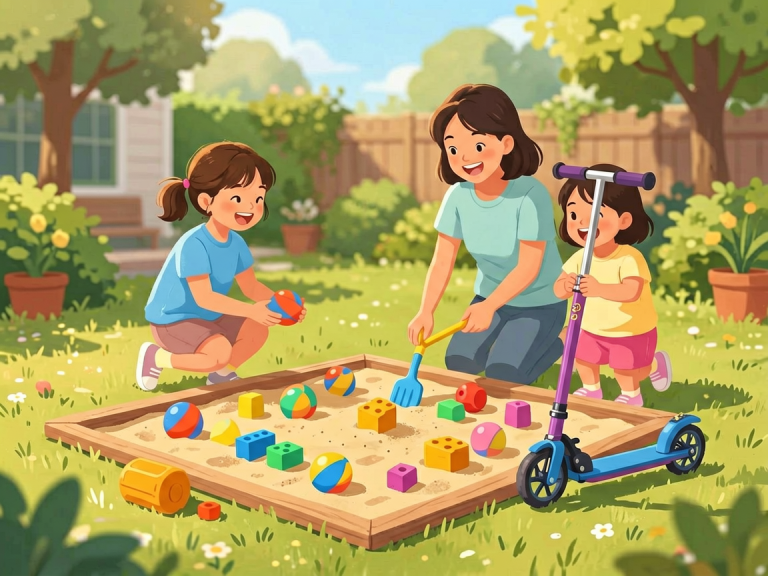
Quiet toys can be a godsend for families with multiple children. Unlike video games or action figures that often lead to arguments over turns or volume, quiet toys like building blocks or art supplies encourage parallel or cooperative play with minimal noise. A set of magnetic tiles can occupy two or three children simultaneously, each building their own creation while occasionally sharing ideas. This fosters social skills like negotiation and patience without the auditory chaos.
Parent-Child Interaction: Bonding Over Silence
Counterintuitively, quiet toys can strengthen the bond between parent and child. When you sit with your child to work on a puzzle or thread beads, the lack of ambient noise allows for whispered conversations, shared smiles, and extended moments of connection. In a world where parents are often distracted by screens and notifications, quiet toys provide a precious opportunity to be fully present. However, choose toys that invite interaction, not isolation. A child absorbed in a solo quiet toy may not want parental involvement, but a collaborative quiet toy like a large floor puzzle encourages teamwork.
Potential Pitfalls: What You Might Not Expect
The Overload of Choice
One surprising downside of quiet toys is that an abundance of them can create decision fatigue. A child facing a shelf full of puzzles, art supplies, and building sets may become overwhelmed and unable to settle into deep play. Some Montessori educators advocate for a "rotating toy system," where only a few quiet toys are available at a time, rotated every week or two. This keeps novelty alive while preventing clutter-induced anxiety.
The Silence Trap: When Quiet Is Not Peaceful
It is important to distinguish between a quiet toy and a calming toy. Some children find certain quiet toys frustrating. A child struggling to thread beads may become angry and throw them. In this case, the toy is quiet but not peaceful. Always observe your child's initial reactions. If a quiet toy triggers frustration rather than focus, it may not be the right fit—even if it meets all other criteria. Consider offering guidance or simplifying the task.
Social Stigma and Peer Pressure
As children grow older, quiet toys may be perceived as "babyish" by peers. A ten-year-old who loves building with blocks might face teasing. This is a delicate issue. Look for quiet toys that have a sophisticated aesthetic or that can be framed as a hobby. For example, a model rocket kit or a sewing machine for older kids offers quiet engagement while being age-appropriate. Talk to your child about the value of their interests, reinforcing that play is personal and not a competition.
Practical Tips for Choosing and Using Quiet Toys
Test Before You Invest
Whenever possible, let your child interact with a quiet toy before purchasing. Visit a toy store or borrow from a friend. Observe how your child approaches the toy. Do they focus for more than ten minutes? Do they exhibit signs of stress or boredom? This direct observation is more reliable than any product review.
Quality Over Quantity
Invest in a few high-quality quiet toys rather than a pile of mediocre ones. A handcrafted wooden marble run, for example, can last for years and be adapted with new tracks and obstacles. Cheap plastic versions may break quickly, leading to disappointment and waste. Authentic materials also invite more respectful handling from children.
Create a Quiet Play Zone
Designate a specific area in your home for quiet play. This could be a corner of the living room with a low table and a soft rug, or a dedicated shelf in the child's bedroom. Keep this space free from electronic toys and visual clutter. The environment itself should support calm concentration. Natural light, comfortable seating, and organized storage all contribute to the effectiveness of quiet toys.
Conclusion: The Gift of Stillness
Choosing quiet toys is not about eliminating fun or forcing silence. It is about providing children with the tools to discover the richness of their own minds. In a culture that constantly pushes for louder, faster, and more sensational experiences, quiet toys offer a counterbalance—a space where children can slow down, think deeply, and create meaning from simple materials. Before you buy that last-minute gift or browse online for the next trendy item, pause and consider what you truly want your child to experience. A quiet toy is not merely an object; it is an invitation to listen, to imagine, and to grow. When chosen wisely, it becomes a lifelong companion in the art of being present. And that, perhaps, is the loudest gift of all.