Nurturing Minds from the Start: Educational Birthday Gifts for Newborns
Introduction
A newborn’s first birthday is a milestone not only of physical growth but also of cognitive, emotional, and sensory blossoming. While traditional gifts like plush toys, clothes, or rattles are always appreciated, modern parents increasingly seek presents that offer lasting developmental benefits. Educational birthday gifts for newborns—those designed to stimulate curiosity, foster early learning, and support age-appropriate skills—have become a thoughtful choice. These gifts go beyond mere entertainment; they lay the foundation for lifelong learning. In this article, we explore the principles behind selecting such gifts and provide a comprehensive guide to the most effective options, all while keeping safety and engagement at the forefront.
The Science Behind Early Learning
The newborn brain is a marvel of plasticity. During the first twelve months, neural connections form at a staggering rate—up to one million per second—in response to sensory experiences. This period is critical for developing vision, hearing, language, motor skills, and emotional bonding. Educational gifts target these developmental domains by providing rich, varied, and repetitive stimuli. For instance, high-contrast black-and-white images help a baby’s still-developing eyes focus, while simple musical toys encourage auditory discrimination. The key is “scaffolding”—offering challenges that are just slightly beyond the baby’s current ability, prompting them to reach, grasp, listen, and explore. A well-chosen educational gift does not force learning; it invites discovery.
Sensory Toys: Engaging Every Nerve
Newborns learn primarily through their senses. The first educational gift category, therefore, revolves around sensory stimulation. Textured fabric books with crinkly pages, soft mirrors, and teething rings made of different materials (wood, silicone, fabric) provide tactile variety. Rattles with gentle, varied sounds stimulate hearing without overwhelming an infant’s delicate auditory system. Light-up toys that project stars or changing colors can captivate a baby’s visual attention, especially those that respond to movement or touch. When selecting sensory toys, prioritize safety: no small parts, non-toxic materials, and easy-to-clean surfaces. A well-designed sensory toy does not just entertain—it teaches cause and effect (“I shake this, and it makes a noise”) and sharpens the infant’s ability to differentiate sensations.
Books and Language Development
It is never too early to introduce a baby to books. Board books with bold, simple illustrations and a single word or phrase per page are ideal for newborns. Even at three months, a baby may focus on the high-contrast patterns; by six months, they begin to turn pages (or attempt to) and respond to the caregiver’s voice. Educational birthday gifts in this category include cloth books with hidden flaps, “touch-and-feel” books that incorporate furry, bumpy, or shiny patches, and black-and-white pattern books designed specifically for infants’ visual development. Reading aloud to a newborn—even if they seem uninterested—builds vocabulary, rhythm, and emotional connection. A personalized book with the baby’s name woven into the story adds an extra layer of meaningful engagement. Remember: the best book is one that a parent and child can enjoy together, fostering a love of reading long before the child can read.
Musical Instruments for Auditory Growth
Music is a powerful educational tool for newborns. Simple instruments like maracas, small drums, rainbow xylophones (with safe mallets), and jingle bells promote auditory discrimination, rhythm, and fine motor control. When a baby shakes a rattle or strikes a drum, they learn that their actions produce sound—a fundamental lesson in agency. Moreover, exposure to diverse sounds helps the brain map auditory frequencies, which is essential for later language acquisition. Educational musical gifts should be durable, easy to grip, and free of sharp edges. Consider sets that include multiple instruments so the baby can experiment with different timbres. Singing along with the instrument or playing simple melodies can turn a toy into a bonding and learning experience. Even a simple rainstick or a musical mobile above the crib offers gentle auditory stimulation that encourages listening and calm focus.
Motor Skills Development Through Play
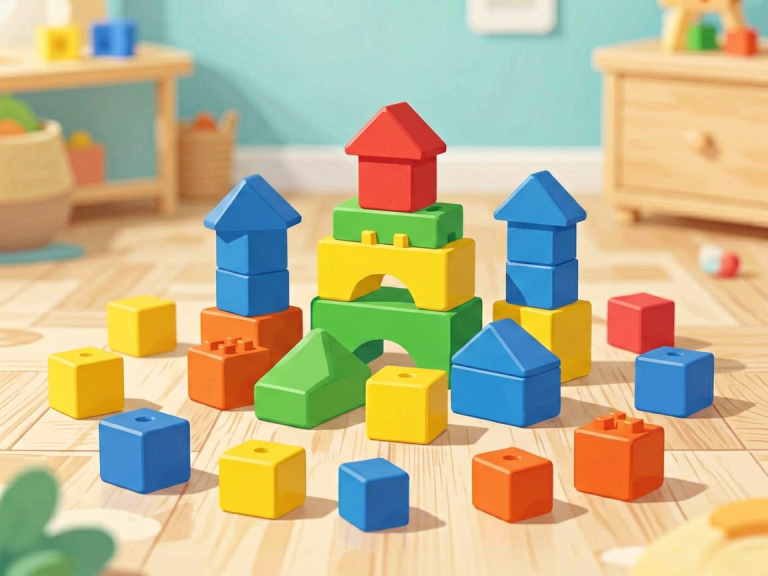
From the reflexive grasp of a newborn to the pincer grip of a ten-month-old, motor development proceeds in predictable stages. Educational birthday gifts that support this progression are invaluable. For young infants, soft rattles and wrist or ankle bands with bells encourage limb movement and body awareness. As the baby grows, activity gyms with dangling toys, play mats with different textures, and soft blocks (lightweight and large enough to prevent choking) help them practice reaching, batting, and eventually sitting up and crawling. Stacking cups or rings in bright colors teach size, order, and hand-eye coordination. Pull-to-sit toys or small push walkers (with caution for safety) strengthen large muscles. The educational value lies not in the toy itself but in the challenge it presents: a baby must coordinate eyes, hands, and body to achieve a goal. Gradual difficulty—for example, blocks that stack with slight wobble—keeps the baby motivated and builds problem-solving skills.
Choosing Safe and Sustainable Options
Educational value means nothing if the gift is unsafe. When selecting gifts for newborns, always check for age recommendations and safety certifications (such as ASTM, EN71, or CE marks). Avoid toys with small parts that could be swallowed, long cords or ribbons that could pose strangulation risks, and batteries that are accessible to the baby. Materials should be non-toxic, BPA-free, and phthalate-free. Natural wood, organic cotton, and food-grade silicone are excellent choices. Sustainability is an added educational bonus: a wooden toy that can be handed down to siblings or donated later teaches, albeit indirectly, the value of durability and environmental stewardship. Finally, consider the packaging—minimal, recyclable wrapping aligns with the mindful parenting that often accompanies a desire for educational gifts.
Conclusion: The Gift of Learning
A first birthday is a celebration of survival, growth, and the promise of the future. Educational gifts for newborns are not about academic acceleration; they are about honoring that promise by providing tools that invite wonder, exploration, and connection. Whether it’s a crinkly book, a gentle rattle, or a set of stacking cups, every item in this category serves as a catalyst for a baby’s natural drive to learn. More importantly, these gifts become part of the daily dance between parent and child—the smiles, the babbles, the shared moments of discovery. In the end, the most educational gift we can give a newborn is not a toy but the time and attention of a loving caregiver. The best educational birthday gift is one that encourages that interaction, making every play session a lesson in love. So as you choose a present for the newest member of your family, remember: you are not just giving an object—you are planting a seed of curiosity that will bloom for years to come.