Building Big Dreams on a Small Budget: The Ultimate Guide to Budget-Friendly Building Toys for Kids
—
Introduction: Why Building Toys Matter (and Why They Don’t Have to Cost a Fortune)
In a world where children’s toys often come with flashy packaging, electronic sounds, and price tags that rival a weekend getaway, parents and educators are increasingly searching for simpler, more affordable alternatives. Yet few toy categories offer as much developmental value as building toys. From fostering creativity and problem-solving to improving fine motor skills and spatial awareness, building toys are a cornerstone of childhood learning. The good news? You don’t need to empty your wallet to provide your child with an enriching construction experience. This article explores the best budget-friendly building toys for kids, offering practical advice on what to look for, where to find them, and how to maximize play value without breaking the bank.
—
1. The Classics That Never Go Out of Style: Wooden Blocks
Why Wooden Blocks Are a Budget-Friendly Staple
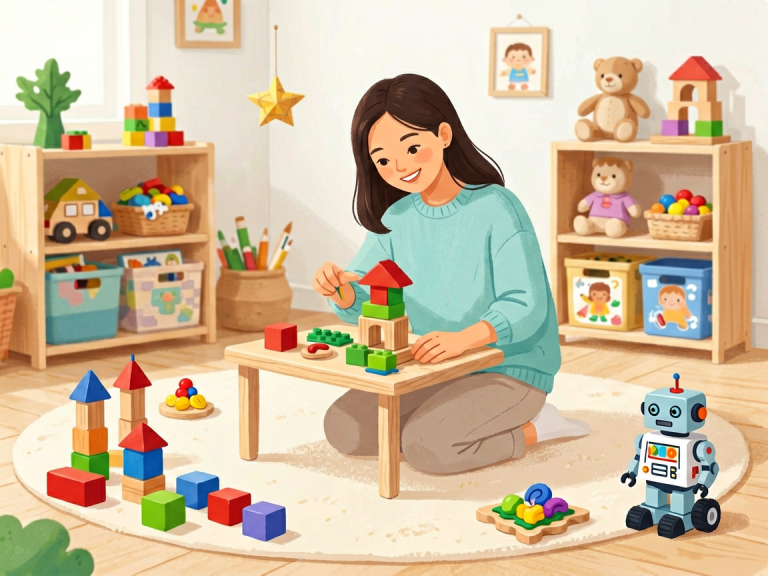
Wooden blocks are perhaps the most timeless building toy. Simple, durable, and completely screen-free, they encourage open-ended play. Unlike branded plastic sets that cost a premium, a basic set of wooden unit blocks can be purchased for as little as $15–$30 and will last for years. They require no batteries, no instruction manuals, and no subscription fees.
Where to Find Affordable Sets
Discount stores, thrift shops, and online marketplaces like eBay or Facebook Marketplace are treasure troves for gently used wooden blocks. Many high-quality brands, such as Melissa & Doug or Hape, offer starter sets at reasonable prices, especially during sales. Alternatively, you can even make your own wooden blocks from scrap lumber—sand them smooth and paint them with non-toxic paint for a truly custom, zero-waste option.
Developmental Benefits on a Dime
Wooden blocks teach basic physics—balance, gravity, and symmetry—while also encouraging cooperative play. A child stacking towers or building bridges learns cause and effect without any expensive technology. And because wooden blocks are open-ended, they grow with the child: a toddler might simply stack, while a five-year-old can construct elaborate castles.
—
2. LEGO Alternatives That Won’t Break the Piggy Bank
The Allure of LEGO and the Cost Problem
LEGO is undeniably the king of building bricks, but its price can be prohibitive. A standard LEGO set can easily cost $50 or more, and larger sets run into hundreds. For families on a budget, the good news is that there are excellent alternatives that are compatible with LEGO bricks—often at a fraction of the price.
Top Budget-Friendly Brick Brands
Brands like MEGA Bloks (owned by Mattel) and Cobi (a Polish manufacturer) produce high-quality bricks that fit with LEGO. But the real budget heroes are store-brand options: Target’s “The New Classics” building blocks, Walmart’s “Paw Patrol” knock-offs, and Amazon Basics building sets all offer hundreds of pieces for under $20. Many of these sets come with wheels, windows, and even mini-figures. In addition, Oxford (a Korean brand) and Sluban (Chinese brand) are known for excellent quality at low prices—often available on AliExpress or Amazon for $10–$25.
How to Build a Large Collection Cheaply
Instead of buying themed sets, purchase bulk "classic" brick tubs. These contain assorted colors and sizes, perfect for free building. Also, consider buying second-hand LEGO or LEGO-compatible bricks by the pound from sites like BrickLink, or from local garage sales. A pound of mixed bricks can cost as little as $5–$8.
—
3. Magnetic Tiles on a Shoestring: Low-Cost Options and DIY Hacks
The Magnetic Tile Craze
Magnetic tiles (like Magna-Tiles or PicassoTiles) have become wildly popular because they allow children to build 3D structures easily. However, a set of 100 pieces can retail for $80–$120. That’s steep for many families.
Affordable Magnetic Tile Brands
PicassoTiles is already a more affordable alternative to Magna-Tiles, with 100-piece sets often under $40. Even cheaper are brands like Playmags (around $30 for a 100-piece set) and Magnetic Dreams (about $25 for 80 pieces). Look for sets that include squares, triangles, and a few special shapes—these give the most creative freedom.
DIY Magnetic Blocks
For the truly budget-conscious, you can create your own magnetic building system using flat craft magnets (available at dollar stores) and cardboard squares. Glue magnets to the corners of thick cardboard cut into triangles and squares. They won’t be as durable as commercial tiles, but they work surprisingly well for younger children and cost pennies per piece.
Educational Value
Magnetic tiles teach geometry, symmetry, and architectural concepts. They are also fantastic for collaborative play because pieces click together easily. Even a small set (30–50 pieces) can provide hours of play.
—
4. The Power of Recycled Materials: Building for Free
Why Cardboard and Tape Are the Ultimate Budget Toys
Sometimes the best building toys are literally free. Cardboard boxes, paper towel tubes, egg cartons, plastic bottles, and masking tape can be transformed into skyscrapers, spaceships, and bridges. This type of play is often called “loose parts play” and is championed by early childhood educators for its creativity and low cost.
How to Set Up a Recycled Building Station
Keep a bin in your home where you toss clean recyclables: cereal boxes, toilet paper rolls, yogurt cups, and bubble wrap. Add child-safe scissors, glue sticks, and tape. Let your child build freely. To inspire them, you might set a challenge: “Build the tallest tower that can hold this toy car,” or “Create a house for your stuffed animal.”
The Hidden Benefits
Building with recycled materials teaches resourcefulness, engineering, and environmental awareness. It also develops fine motor skills through cutting, folding, and taping. Best of all, it costs nothing, and the materials are constantly replenished.
—
5. Interlocking Plastic Discs and Straws: Underrated Gems
Straws and Connectors
Building toys don’t have to be bricks. Straw-and-connector sets (like Strawbees or K’Nex) are incredibly budget-friendly. A 600-piece straw and connector set can be found for $15–$25 on Amazon. These kits allow children to build flexible, geometric structures—bridges, domes, and even wearable costumes.
Plastic Discs and Spokes
Another budget option is Discs and Spokes (often sold under brands like Wheels & Wings or Tinkertoy-style sets). A basic set of plastic discs with holes and dowels can be bought for under $10 at dollar stores or discount retailers. These simple pieces teach structural integrity and balance.
Why These Are Worth Considering
Unlike bricks, these toys encourage larger-scale construction. A child can build a life-size fort or a giant robot arm. They are also lightweight, making them easy for small hands. And because they are often sold in large quantities, the cost per piece is extremely low.
—
6. How to Choose the Right Budget Building Toy for Your Child
Consider Age and Safety
For toddlers (1–3 years), choose large wooden blocks or oversized magnetic tiles to prevent choking hazards. For preschoolers (3–5), interlocking bricks and recycled materials work well. For school-age kids (6+), more complex sets like straw connectors or small plastic bricks are ideal.
Look for Open-Ended Play
The best budget-friendly building toys are those that don’t prescribe a single outcome. Avoid sets that only build one specific model. Instead, buy generic pieces that allow endless creations.
Check for Durability
You want toys that won’t crack or break easily. Read reviews, especially for cheap magnetic tiles—some have weak magnets or brittle plastic. Wooden blocks are almost always durable, while cheap plastic bricks may have poor clutch power (they don’t stay together). Invest in a mid-range brand if possible.
Buy in Bundles
Many online sellers offer “mystery boxes” or “bulk lots” of building toys at steep discounts. For example, on AliExpress, you can find 1,000-piece brick sets for under $15. Similarly, Facebook Marketplace often has parents selling entire collections for a fraction of the retail price.
—
7. Creative Ways to Extend the Life of Budget Building Toys
Mix and Match Brands
Don’t be afraid to combine different types of building toys. Wooden blocks and magnetic tiles can complement each other. Recycled materials can be used to decorate or enhance brick structures. Mixing media encourages innovation.
Challenge Cards
Create your own challenge cards with simple prompts: “Build a bridge that is 12 inches long,” “Create a structure that can withstand a paper fan,” or “Design a tower that is taller than your sibling.” This turns a simple set of blocks into an endless game.
Rotate Toys
To keep interest high, rotate your child’s building toy selection every few weeks. Put away the wooden blocks for a month and bring out the straw connectors. This prevents boredom and makes each set feel new again.
—
Conclusion: Building a Brighter Future Without Overspending
The misconception that high-quality educational toys must be expensive is slowly fading. With a little creativity and research, parents can provide their children with an incredible array of building toys that stimulate the mind, promote collaboration, and spark joy—all while staying within a reasonable budget. Whether you opt for classic wooden blocks, generic brick sets, magnetic tiles on sale, or simply a cardboard box and some tape, the real value lies not in the price tag but in the hands-on learning and imaginative play that unfolds. So the next time your child asks for a new toy, remember: the best building sets are the ones that let them build their own world—without building a hole in your wallet.
*(Word count: approximately 1,450 words)*