The Art and Science of Selecting Birthday Toys: A Comprehensive Guide for Thoughtful Gifting
Introduction
Choosing the perfect birthday toy for a child is a task that blends joy with responsibility. The right toy can spark creativity, foster learning, and create lasting memories, while the wrong one might end up discarded in a corner within days. In an era saturated with endless options—from flashy electronic gadgets to simple wooden blocks—parents, relatives, and friends often feel overwhelmed. This guide offers a structured approach to picking birthday toys that are safe, age-appropriate, engaging, and meaningful. By considering factors such as developmental stages, individual interests, safety standards, and long-term value, you can turn a simple gift into a catalyst for growth and happiness.
1. Understanding Developmental Stages: Matching the Toy to the Child’s Age
The most critical factor in toy selection is the child’s age. A toy that is too advanced may frustrate, while one that is too simple may bore. Developmental psychologists have outlined key milestones that can guide your choice.
1.1 Infants (0–12 Months): Sensory Exploration and Motor Skills
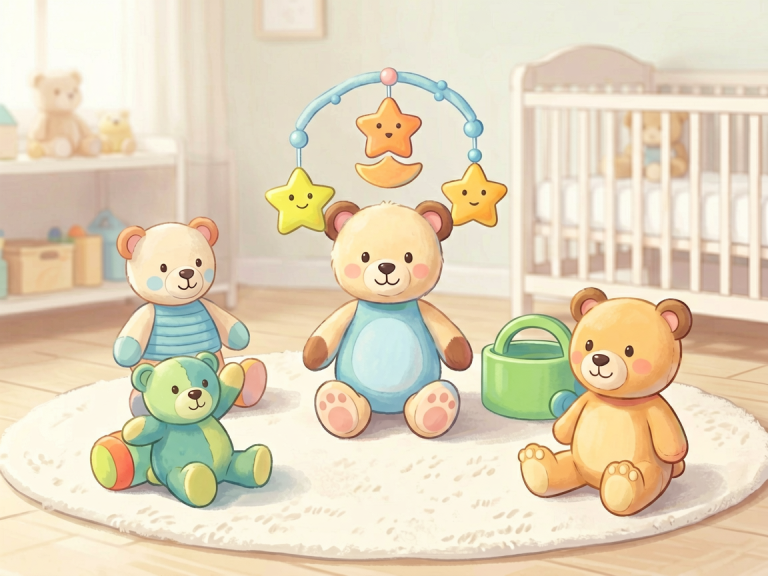
For babies, toys should stimulate the senses and encourage basic motor development. Look for items with contrasting colors (black, white, red), varied textures, and soft sounds. Rattles, teething rings, soft cloth books, and activity gyms are excellent choices. Avoid small parts that pose choking hazards. At this stage, the toy is less about “playing” and more about discovering the world through touch, sight, and hearing.
1.2 Toddlers (1–3 Years): Movement, Imitation, and Problem Solving
Toddlers are rapidly developing gross and fine motor skills. Push-and-pull toys, shape sorters, stacking cups, and simple puzzles support hand-eye coordination. Pretend play begins, so toy kitchens, tool sets, or dolls with simple accessories encourage imitation. Ensure toys are sturdy and free from sharp edges. Avoid batteries if possible—simple mechanical toys often provide more open-ended play.
1.3 Preschoolers (3–5 Years): Imagination, Language, and Social Skills
This age group thrives on creative and cooperative play. Building blocks (such as LEGO Duplo), art supplies (crayons, play dough, washable paints), and dress-up costumes fuel imagination. Board games with simple rules (e.g., Candy Land) teach turn-taking and following instructions. Look for toys that promote storytelling or role-playing, as they help develop language and empathy.
1.4 School-Age Children (6–12 Years): Complex Thinking, Hobbies, and Social Interaction
Older children have more defined interests. Science kits, coding toys, construction sets (e.g., advanced LEGO, K’NEX), and strategy board games (e.g., Chess, Settlers of Catan) challenge their intellect. Sports equipment, musical instruments, and craft kits support physical and artistic expression. At this stage, consider the child’s peer group; many toys gain value when they can be shared with friends. Also, be mindful of screen time—while some electronic gadgets can be educational, they should not replace active, hands-on play.
2. Safety First: Non-Negotiable Criteria for Every Toy
No matter how educational or entertaining a toy appears, safety must always come first. Thousands of children are treated in emergency rooms each year for toy-related injuries, many of which are preventable.
2.1 Check for Recalls and Certifications
Before purchasing, verify that the toy meets safety standards for your country. In the United States, look for the “ASTM” (American Society for Testing and Materials) label. In Europe, the CE mark indicates compliance. Check online for recent recalls—especially for toys containing magnets, small parts, or lead-based paints.
2.2 Avoid Choking Hazards
For children under three, the “small parts” rule is essential. Use a toilet paper roll as a test: if the toy or any detachable part fits entirely inside the roll, it is a choking hazard. Avoid toys with loose buttons, beads, or batteries. Even older children can sometimes put small items in their mouths, so err on the side of caution.
2.3 Material and Construction
Solid wood, non-toxic plastics, and lead-free paints are preferable. Avoid toys with sharp edges, pinch points, or strings longer than 12 inches (which pose strangulation risks). For electronic toys, ensure the battery compartment is secured with screws to prevent access. If the toy makes loud sounds, check that the volume is not damaging to young ears (above 85 decibels can be harmful).
2.4 Age Labels vs. Real-World Use
Age recommendations on packaging are not arbitrary—they reflect safety testing and developmental suitability. Do not buy a toy labeled “for ages 8+” for a 4-year-old, even if the child seems advanced. Similarly, a toy meant for infants may bore a toddler. Trust the labels, but also use your judgment.
3. The Child’s Personality and Interests: Beyond Generic Gift Lists
While age and safety provide a framework, the most cherished toys are those that resonate with the child’s unique passions. A thoughtful observer can pick up clues from daily life.
3.1 Observe Their Play Patterns
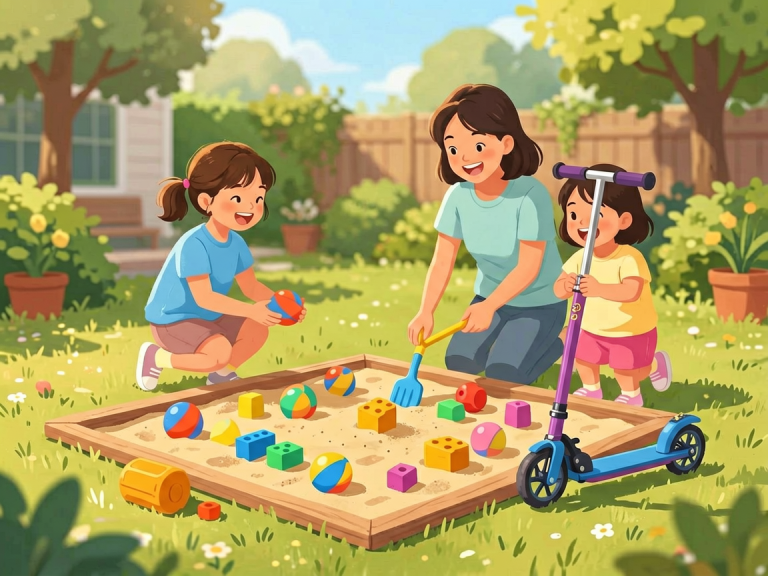
Does the child prefer solitary activities like drawing and building? Or do they thrive on group games and physical play? A quiet child might love a detailed puzzle or a book set, while an active one might enjoy a scooter or a trampoline. If they are drawn to animals, consider realistic figurines, animal-themed board games, or a simple microscope to explore nature.
3.2 Ask Directly (but Tactfully)
If you know the child well, you can ask them what they want—but be prepared for a list that changes daily. A better approach is to ask open-ended questions: “What’s your favorite thing to do at school?” or “What would you build if you had a magic box?” Their answers often reveal deeper interests that can be translated into toy choices.
3.3 Consider Hobbies That Can Grow
A toy that encourages a lifelong hobby is a gift that keeps giving. For example, a beginner’s telescope for a child fascinated by stars, a ukulele for a music lover, or a butterfly garden kit for a nature enthusiast. These toys may require adult guidance initially, but they build skills and confidence over time.
4. Educational Value and Open-Ended Play
The best toys are those that allow children to use their imagination and develop multiple skills simultaneously. Open-ended toys—those that can be used in many ways—outperform single-purpose gadgets in fostering creativity.
4.1 The Power of Open-Ended Toys
A set of wooden blocks, for instance, can become a castle, a bridge, a parking garage, or a spaceship. Art supplies—clay, markers, fabric scraps—have no fixed outcome. These toys encourage problem-solving, experimentation, and resilience. In contrast, a toy that only does one thing (like a singing, flashing robot that repeats a single phrase) quickly loses its novelty. When choosing, ask: “Can this toy be played with in different ways? Will it inspire the child to create something new each time?”
4.2 Integrating STEM Concepts
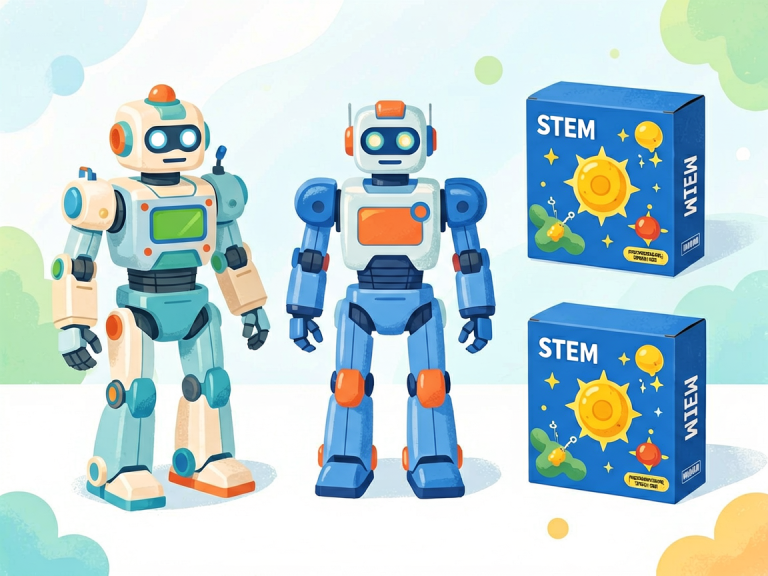
Toys that introduce science, technology, engineering, and math in a playful way prepare children for the future without feeling like schoolwork. Look for magnetic building tiles, coding robots (like Botley or Sphero), crystal-growing kits, and simple circuit sets. Even classic construction toys like LEGO now offer themed sets that teach principles of physics and design.
4.3 The Role of Digital Toys
Tablets and electronic learning devices are common gifts, but they should be used in moderation. Choose apps and devices that require active thinking rather than passive consumption. For example, a tablet loaded with drawing apps, music creation tools, or simple coding games can be beneficial. However, balance is key—never let digital play replace physical activity, social interaction, or outdoor exploration.
5. Budget, Longevity, and Sustainability
A costly toy is not necessarily a good toy. Conversely, a cheap, poorly made toy may break quickly and end up in a landfill. Responsible gifting considers the toy’s lifespan and environmental impact.
5.1 Quality Over Quantity
It is better to buy one well-made, versatile toy than a dozen cheap plastic items. A high-quality wooden train set or a durable set of magnetic tiles can last for years and be passed down to siblings or friends. Check online reviews and ask other parents about durability. Avoid toys with lots of tiny, fragile parts that are likely to be lost or broken.
5.2 Secondhand and Upcycled Options
Gently used toys are an excellent choice, especially for infants and toddlers who outgrow toys quickly. Thrift stores, garage sales, and online marketplaces offer bargains on nearly new toys. Always clean and inspect them for damage. Additionally, consider toys made from recycled materials or sustainable wood. Brands like PlanToys, Green Toys, and Hape prioritize eco-friendly production.
5.3 Subscription Services and Toy Libraries
For families who want variety without clutter, toy subscription services (e.g., Lovevery or KiwiCo) deliver age-appropriate toys monthly. Toy libraries, which operate like book libraries, allow families to borrow toys for a limited time. These are fantastic options for discovering new interests without committing to a purchase.
6. Practical Considerations: Space, Noise, and Family Dynamics
Before finalizing your choice, think about the environment where the toy will be used.
6.1 Size and Storage
A large playset might be wonderful in a spacious playroom but overwhelming in a small apartment. Check dimensions and consider whether the child has a dedicated storage area. Avoid gifts that require extensive assembly or that come with many loose pieces unless you are certain the family is prepared for the organizational challenge.
6.2 Noise Level
Some toys produce loud, repetitive sounds that can quickly become irritating for parents and siblings. If the gift is for a family with a newborn or a sensitive adult, choose toys with volume controls or, better yet, no electronic sounds at all. Musical instruments like xylophones or drums can be noisy but are more engaging than battery-operated sound boxes.
6.3 Inclusivity and Shared Play
If the birthday child has siblings, consider whether the toy can be shared. Cooperative games, building sets, and art supplies allow multiple children to play together. Avoid single-user electronic devices that may cause arguments. Also, think about gender inclusivity—a toy marketed for “boys” or “girls” may inadvertently limit a child’s exploration. A good toy is simply a good toy, regardless of gendered packaging.
Conclusion: The Gift of Thoughtfulness
Ultimately, the best birthday toy is one that reflects genuine thoughtfulness. It is not measured by price tag or brand name, but by the joy it brings and the growth it nurtures. By aligning with the child’s developmental stage, ensuring safety, honoring their interests, promoting open-ended play, and respecting the family’s lifestyle, you give a gift that matters. The perfect toy is not just an object—it is an invitation to explore, imagine, and connect. So take your time, observe carefully, and choose with heart. The smile you receive in return will be your best reward.