The Ultimate Guide to the Best Building Toys for Toddlers: Sparking Creativity and Development
Introduction
Toddlerhood—the wondrous period between the ages of one and three—is a time of explosive growth in motor skills, language, and cognitive understanding. Among the most effective tools for nurturing this development are building toys. Unlike many passive entertainment options, building toys invite active participation: stacking, balancing, connecting, and often knocking down with joyful laughter. These activities lay the foundation for spatial reasoning, problem-solving, fine-motor dexterity, and even early math concepts like symmetry and counting. However, not all building toys are created equal for the unique needs of toddlers. Safety, size, texture, and developmental appropriateness must all be considered. In this guide, we explore the best building toys for toddlers, each selected for its ability to engage young minds while prioritizing safety and durability. Whether you are a parent, a caregiver, or an educator, these recommendations will help you choose toys that grow with your child and inspire countless hours of constructive play.
Classic Wooden Blocks: Timeless Foundation for Learning
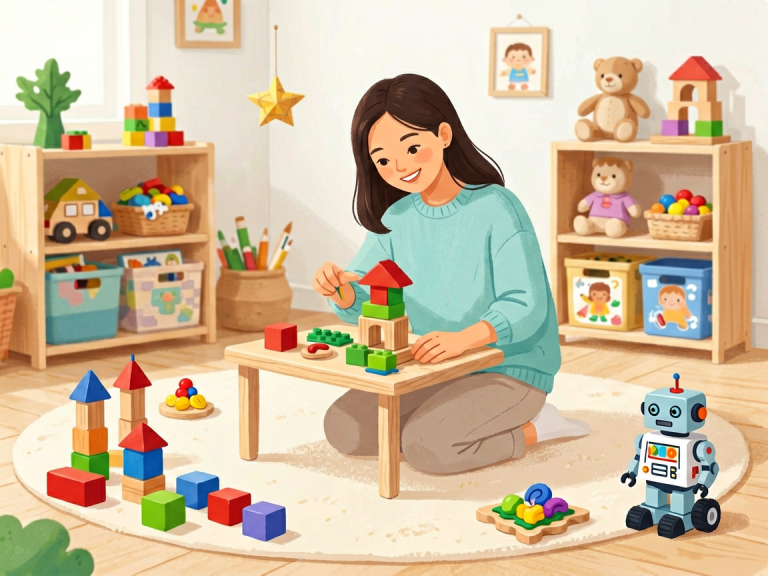
Wooden blocks are the quintessential building toy, and for good reason. Their simplicity is their strength. Unlike plastic sets that often click together in predetermined ways, wooden blocks offer an open-ended experience—each block is a unit that can be stacked, placed side by side, or used as part of a larger structure. For toddlers, the tactile pleasure of picking up a smooth, solid block and feeling its weight is an early lesson in physics. They learn that a wider base creates stability, that balancing requires patience, and that gravity is a reliable force.
Safety is paramount: look for blocks made from untreated or non-toxic finished wood, with rounded edges and no splinter risk. Sets with varying shapes—cubes, rectangles, triangles, arches, and cylinders—encourage pattern recognition. Many wooden block sets also come with painted or natural finishes; if painted, ensure the paint is lead-free and chip-resistant. Brands like Melissa & Doug, HABA, and Uncle Goose produce excellent toddler-safe blocks. The best part? Wooden blocks are remarkably durable, often passed down through generations, making them an environmentally sound and cost-effective choice.
Magnetic Tiles: The Modern Marvel for Tiny Hands
Magnetic tiles have revolutionized the building toy market in recent years, and they are surprisingly well-suited for toddlers. These translucent, colored tiles (often square, triangle, or rectangle) contain magnets along their edges that snap together with a satisfying click. For a toddler, the immediate connection success is a huge confidence booster. Unlike traditional blocks that require careful balancing, magnetic tiles stay attached once joined, allowing young children to create three-dimensional structures without the frustration of collapsed walls.
The translucent nature of the tiles also introduces concepts of color mixing and light play when placed near a window or on a light table. Fine-motor development is excellent—toddlers must align the edges precisely to engage the magnets. Safety is critical: ensure the magnets are securely encased and cannot be dislodged. Popular brands like Magna-Tiles and PicassoTiles offer sets with large tiles (at least 3 inches) that are easy for small hands to grip. Always supervise play to prevent mouthing, as magnets can be dangerous if swallowed. For children aged 18 months and up, magnetic tiles provide a bridge between simple stacking and more complex spatial play.
LEGO DUPLO: Big Bricks, Big Possibilities
LEGO DUPLO is perhaps the most recognizable name in toddler building toys, and its popularity is well-earned. DUPLO bricks are exactly twice the size of standard LEGO bricks—a deliberate design choice that makes them too large to swallow and easy for small hands to manipulate. The interlocking mechanism requires just enough pressure to teach cause and effect: push down and the bricks stick; pull up and they separate. This action strengthens the muscles in the fingers and palms, preparing toddlers for later writing and tool use.
DUPLO sets often include themed elements like animals, vehicles, and figures that inspire imaginative storytelling. However, the classic brick boxes (containing only bricks in various colors and sizes) are often more developmentally beneficial for the youngest builders, as they encourage free-form creation rather than following specific instructions. The bricks are made from durable ABS plastic, and LEGO’s quality control ensures consistent fit. While expensive, DUPLO sets hold their value well and can be combined with any other DUPLO sets. For toddlers aged 18 months to 3 years, DUPLO is a safe, versatile, and long-lasting choice.
Soft Building Blocks: Safe Sensory Play
For the youngest toddlers—especially those still prone to putting things in their mouths—soft building blocks are an ideal starting point. These blocks are typically made from foam, fabric, or soft plastic, and they are lightweight, squeezable, and nearly silent when dropped. The softness eliminates the risk of injury from a falling block, making them perfect for playpens, carpets, or even bath time. Many sets include blocks with different textures, crinkle paper inserts, or squeakers that provide multi-sensory stimulation.
Soft blocks often come in sets of various shapes and colors, and they can be stacked (though they require a gentle touch, as foam does not hold as well as wood or plastic). The primary benefit is safety and sensory exploration. Some brands, like Edushape and Infantino, produce blocks with rounded edges and BPA-free materials. For babies as young as six months, soft blocks are a wonderful introduction to the concept of “building,” though true stacking may not occur until 12–15 months. For value, consider a set that includes both blocks and balls for additional play options.
Interlocking Plastic Blocks (e.g., Mega Bloks): Colorful and Easy to Grip
While LEGO DUPLO dominates the premium market, Mega Bloks (by Mattel) offers a more budget-friendly alternative that shares many of the same design principles. Mega Bloks are slightly larger than DUPLO bricks and feature a simpler, more forgiving interlock system. The blocks are brightly colored, often sold in large bags containing 80 or more pieces, and they are compatible with each other but not with DUPLO. The larger size and looser fit make them ideal for toddlers who are still developing hand strength—a child can easily push two Mega Bloks together with very little force.
These blocks are lightweight yet sturdy, and they clean easily with a damp cloth. Many Mega Bloks sets include special pieces like wheels or simple figures that encourage early role-play. While the plastic is not as thick as LEGO’s, it holds up well under normal toddler use. The main drawback is that the blocks may become wobbly after repeated assembly, but for the price, they offer tremendous value. For toddlers aged 12 months to 3 years, Mega Bloks are an excellent entry-level building toy.
Cardboard or Foam Building Sets: Eco-Friendly Alternatives
As sustainability becomes a growing concern, many parents seek building toys with a smaller environmental footprint. Cardboard building blocks and foam-based construction sets are two excellent options. Cardboard blocks (often sold as “Imagination Blocks” or similar) are lightweight, extremely durable, and can be decorated by the child with crayons or markers, adding an artistic dimension to the play. They are typically larger than wooden blocks, sometimes forming bricks the size of a shoebox, which allows toddlers to build structures large enough to climb into or around.
Foam building sets, such as those made by Lakeshore Learning or Little Partners, feature interlocking edges that allow for simple two- or three-dimensional constructions. Foam is soft, non-toxic, and often recyclable. These materials are especially good for group play in daycare or preschool settings, as the size and weight make them easy for multiple toddlers to move simultaneously. The main consideration is longevity—cardboard can get soggy if left in a damp environment, and foam may show wear after heavy use. However, for eco-conscious families, these toys represent a responsible choice that still delivers developmental benefits.
Tips for Choosing the Right Building Toys
Before purchasing, consider the following guidelines to ensure the best fit for your toddler:
- Age and stage: Always check the manufacturer’s age recommendations. For children under 12 months, focus on soft blocks or large, one-piece objects. For 18 months and up, magnetic tiles, DUPLO, and wooden blocks are appropriate.
- Safety first: Avoid toys with small parts that can become choking hazards. Look for non-toxic materials, smooth edges, and secure fasteners. Washability is a plus since toddlers love to explore with their mouths.
- Encourage open-ended play: The best building toys do not come with a single “right” way to build. Sets with multiple shapes and pieces inspire creativity rather than limiting it to a predetermined model.
- Durability and investment: Consider how often the toy will be used. Wood and high-quality plastic can survive years of play. Some sets have expansion packs, allowing you to add more pieces as your child grows.
- Storage and organization: Toddler building toy sets often contain many pieces. Look for sets that come with a storage bag, box, or bucket to teach early cleanup habits.
Conclusion
Building toys are far more than mere entertainment for toddlers—they are tools for cognitive development, motor skill refinement, and creative expression. From the classic appeal of wooden blocks to the modern magic of magnetic tiles, each type offers unique benefits that cater to different stages and preferences. The key is to choose toys that are safe, age-appropriate, and open-ended enough to evolve with your child’s growing abilities. By investing in high-quality building toys, you are providing your toddler with a foundation for lifelong learning—one block, brick, and tile at a time. So go ahead, clear a space on the floor, sit down together, and start building not just structures, but precious memories and essential skills.