The Ultimate Guide to the Best Toys for 2-Year-Olds Who Love Animals
Introduction: Why Animal-Themed Toys Matter for Toddler Development
At the age of two, children are experiencing an explosion of cognitive, linguistic, and motor development. Their curiosity about the world around them intensifies, and few subjects capture their imagination quite like animals. Whether it's the roar of a lion, the wag of a dog's tail, or the flapping of a bird's wings, animals represent a fascinating bridge between the familiar and the fantastical. For parents and caregivers of 2-year-olds who already show a keen interest in creatures great and small, choosing the right toys can do more than just entertain—it can nurture empathy, vocabulary, problem-solving skills, and sensory exploration. This guide will explore the best categories of animal-themed toys for this age group, each carefully selected to match a toddler's developmental stage while fueling their passion for the animal kingdom.
Why Animal Toys Are Particularly Beneficial for Two-Year-Olds
Before diving into specific recommendations, it's worth understanding why animal toys are such a powerful tool for learning at age two. At this stage, children are beginning to engage in symbolic play—they can pretend that a plastic cow says "moo" or that a stuffed bear is sleeping. This type of play lays the foundation for abstract thinking, language development, and social understanding. Animals also provide a natural entry point for teaching concepts like size (big elephant vs. small mouse), sounds (quack vs. meow), habitats (water, land, sky), and even emotions (a sad puppy, a happy bunny). Furthermore, many 2-year-olds experience a strong attachment to comfort objects, and soft, animal-shaped toys can become cherished companions that help them regulate their emotions during transitions or moments of stress.
Top Toy Categories for Animal-Loving Toddlers
1. Soft Plush Animals: The Classics with a Twist
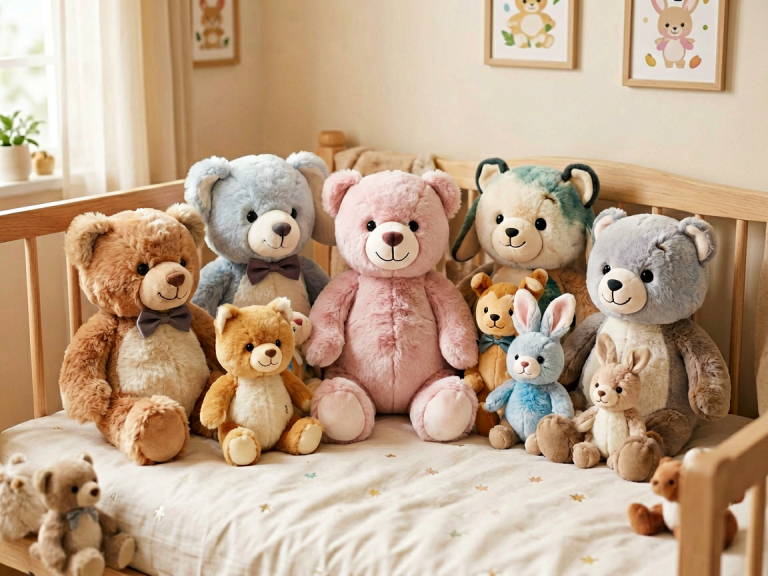
Plush toys remain a staple for 2-year-olds, but for children who are particularly drawn to animals, it is worth investing in high-quality, realistic-looking plush toys rather than cartoonish ones. Brands like Aurora World and Douglas Cuddle Toys offer plush animals with accurate fur patterns, anatomically correct features, and soft, safe materials. For example, a life-like plush lion with a thick mane or a fuzzy brown bear can spark conversations about where these animals live and what they eat. The tactile experience of hugging a soft animal also provides sensory comfort. Look for plush toys that are machine-washable, as 2-year-olds tend to explore with their mouths and hands. A collection of four to eight different plush animals—farm animals, wild animals, and pets—can serve as a foundation for endless pretend play scenarios.
2. Animal Figurines and Play Sets: Building Vocabulary and Imagination
Small, durable animal figurines are among the most versatile toys for this age group. Schleich and Papoo produce excellently detailed, non-toxic plastic figurines that are easy for small hands to grasp. A set of farm animals (cow, pig, sheep, horse) or zoo animals (giraffe, elephant, tiger, monkey) allows a child to create their own stories. Pair these with a simple felt mat depicting a farm scene or a jungle, and you have an open-ended play invitation. Two-year-olds will practice naming each animal, imitating its sound, and sorting them by type or size. This type of play directly supports language development—research shows that children who engage in object-based pretend play tend to have larger vocabularies by age three. Additionally, figurines can be used for simple counting games ("How many cows are there?") or even early matching activities if you print corresponding pictures.
3. Interactive Animal Sound Books and Musical Toys
Books that produce animal sounds are a surefire hit with 2-year-olds who are just beginning to connect symbols with real-world phenomena. Look for board books with sound buttons, such as "The Very Noisy Farm" by Usborne or "Polar Bear, Polar Bear, What Do You Hear?" with sound module. These books not only teach animal names and sounds but also reinforce the important skill of turning pages carefully. For a more interactive experience, consider musical toys like the VTech Animal Sounds Discovery Microphone or a simple xylophone shaped like a cat or dog. Another beloved option is a toy barn with sound effects—when a child places a plastic cow on a sensor, the barn plays a moo sound. This cause-and-effect learning is perfect for a 2-year-old's developing brain.
4. Animal Puzzles: Building Fine Motor Skills and Spatial Reasoning
Puzzles are excellent for cognitive development, and animal-themed puzzles are particularly engaging. For a 2-year-old, start with peg puzzles featuring large, easy-to-grasp knobs. A farm animal peg puzzle (with a separate piece for each animal) helps children practice hand-eye coordination and shape recognition. As they become more skilled, transition to floor puzzles with four to six large pieces that form a picture of a jungle scene or an ocean. The Melissa & Doug Safari Floor Puzzle is a classic choice. Puzzles also teach persistence—when a child struggles to fit a giraffe piece into the correct spot, they learn problem-solving and the satisfaction of completion. To make it even more animal-focused, choose puzzles that include the names of animals printed on the board, so you can read them aloud together.
5. Animal-Themed Building Blocks and Stackers
Block play is essential for developing spatial awareness, balance, and creativity. Animal-themed building sets often include blocks printed with animal faces or shaped like animals. The Tegu Magnetic Wooden Blocks offer a "Beasts" set with magnetic blocks that can form simple animal silhouettes. Alternatively, a classic wooden block set with painted farm animals on each block can be used for stacking towers, then "knocked down" by a roaring lion figurine. For an open-ended option, consider chunky wooden animal shapes that can be stacked on a peg base—like a caterpillar stacking toy or a penguin balancing game. These toys encourage a child to experiment with gravity and pattern-making while staying immersed in the animal theme.
6. Pretend Play Animal Costumes and Accessories
At age two, children love to imitate adults and animals alike. Simple animal costumes like a soft bunny headband with ears, a lion mane made of faux fur, or a butterfly wings cape allow a child to step into the role of their favorite creature. Even a basic animal mask (ensure it has large, clear eye holes and is lightweight) can spark hours of pretend play. Accessories like a toy doctor kit that includes a stuffed animal patient, or a feeding set with a plastic bottle and a plush puppy, help develop empathy and nurturing skills. These toys encourage children to act out scenarios: "The puppy is hungry, let's feed him," or "The bunny is sad because she lost her friend." Such role-playing builds emotional intelligence and language skills as children narrate their actions.
7. Animal-Themed Sensory Toys and Manipulatives
Sensory play is critical for 2-year-olds, and animal themes can make it even more inviting. Consider a sensory bin filled with rice or oats, with hidden plastic bugs, worms, and small animal figures for the child to dig and find. Another great option is a water play mat with floating fish shapes or a squeaky bath toy shaped like a duck or octopus. Animal-themed sand toys—like a turtle-shaped bucket or a crab rake—make trips to the sandbox more engaging. For quiet time, felt animal finger puppets allow for storytelling and fine motor practice. All these toys engage multiple senses—touch, sound, sight, and sometimes smell (if you add scented play dough with animal cookie cutters). Sensory play helps regulate a toddler's nervous system and encourages focused exploration.
8. Sound and Movement Toys: Bringing Animals to Life
Nothing delights a 2-year-old more than a toy that mimics real animal movement. Look for pull-back vehicles shaped like animals (a ladybug that wiggles, a snake that slithers, a walking dinosaur). The Fisher-Price Little People Animal Friends line includes a push-along barn and figures that make sounds when placed on a hot spot. Another innovative option is the Battat Animal Rescue Play Set, which includes a tree trunk with a "stuck" animal that children can rescue with a toy crane—teaching cause and effect and problem-solving. Even a simple animal-themed ball with a textured surface and a rattle inside can be rolled or tossed while making animal sounds together.
How to Choose the Right Animal Toy for Your Toddler
With so many options, selection can feel overwhelming. Keep these criteria in mind:
- Safety first: Ensure all toys are made from non-toxic materials, have no small parts that could cause choking, and have passed safety standards for children under three.
- Durability: Two-year-olds are rough on toys. Look for sturdy construction, reinforced seams on plush toys, and heavy-duty plastic for figurines.
- Open-endedness: The best toys allow for multiple ways to play. A set of animal figurines can be used for sorting, storytelling, counting, and pretend play—far more valuable than a single-purpose electronic toy.
- Interest alignment: If your child is particularly fascinated by farm animals, start there. If they love dinosaurs, seek out toddler-safe dinosaur toys. Following their interests deepens engagement and learning.
Conclusion: The Gift of Discovery
Toys are not just distractions—they are the tools through which a 2-year-old makes sense of the world. When a child who loves animals receives a beautifully crafted plush lion, a set of farm figurines, or a puzzle featuring their favorite creatures, they are not merely playing; they are building a foundation for lifelong curiosity, compassion, and cognitive growth. The best toys for this age are those that invite conversation, encourage movement, and provide comfort. By choosing animal-themed toys that are developmentally appropriate and thoughtfully designed, you are giving your toddler a vibrant invitation to explore, imagine, and learn. And as you watch them roar, hop, and quack their way through the day, you will witness the pure joy of discovery—a gift that no screen or flashy gadget can ever replace. So go ahead, fill their play space with a cheerful menagerie, and let the animal adventures begin.