Building the Future: The Transformative Power of Engineering Toys for Elementary Kids
Introduction
In an era where technology evolves at breakneck speed, the foundation of innovation begins not in high-tech laboratories, but in the hands of children playing with building blocks, gears, and circuits. Engineering toys for elementary kids are far more than mere playthings; they are the quiet architects of a child’s cognitive development, problem-solving abilities, and creative confidence. Unlike passive entertainment, these toys invite children to become active builders, inventors, and thinkers. From constructing a simple bridge that holds weight to designing a working pulley system, elementary-aged children engage in the very essence of engineering: identifying a problem, testing a solution, and iterating until success is achieved. This article explores why engineering toys matter, what types work best for different ages, and how parents and educators can maximize their educational potential, ensuring that playtime becomes a powerful learning experience.
The Educational Benefits of Engineering Toys
Engineering toys offer a unique blend of STEM (Science, Technology, Engineering, and Mathematics) learning that is naturally engaging for young minds. One of the most significant benefits is the development of spatial reasoning. When a child fits together interlocking blocks or aligns gears to make a mechanism spin, they are mentally rotating and manipulating objects in space—a skill strongly correlated with later success in mathematics and science. Research from the University of Chicago has shown that early spatial play predicts later achievement in STEM fields. Moreover, engineering toys foster executive function skills such as planning, attention control, and cognitive flexibility. A child building a marble run must visualize the path, anticipate where the marble might fall, and adjust the track accordingly. If the marble stops, they must debug their design—a process that mirrors real-world engineering troubleshooting. This iterative cycle of “build → test → improve” cultivates a growth mindset, teaching children that failure is not an endpoint but a stepping stone to a better solution. Additionally, these toys encourage collaboration and communication. When two or more children work on a complex structure, they must negotiate roles, share ideas, and resolve conflicts, all of which are essential social skills. In a classroom setting, engineering play can bridge gaps between different learning styles—kinesthetic learners thrive by touching and moving pieces, while visual learners benefit from seeing their ideas take physical form.
Types of Engineering Toys for Elementary Kids
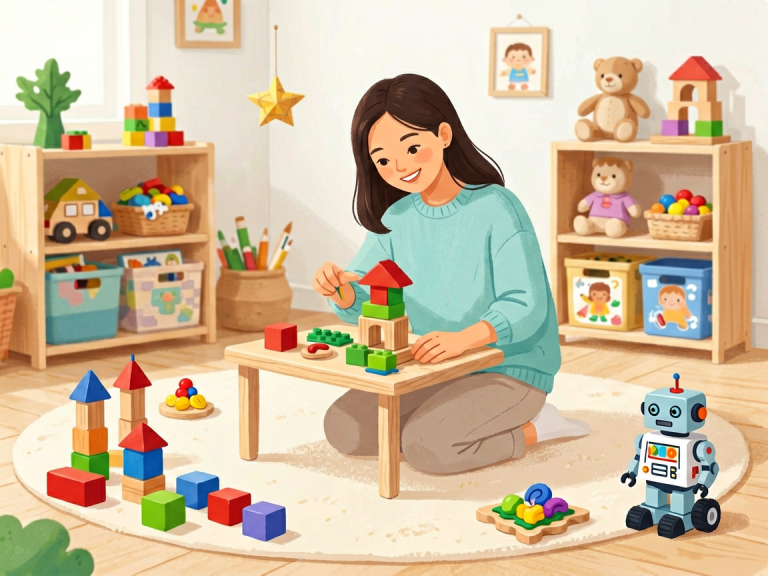
Selecting the right engineering toy depends on a child’s age, interests, and developmental stage. For children in early elementary (ages 5–7), basic construction sets such as classic wooden blocks, Duplo, or magnetic tiles are ideal. These toys require no instructions and allow open-ended exploration. At this stage, the goal is to develop fine motor skills and an intuitive sense of balance, weight, and symmetry. Simple gear sets, like those from Learning Resources, introduce cause and effect—turning one gear makes another spin. For ages 7–9, more structured kits like LEGO Technic or K’NEX offer moving parts, axles, and connectors that enable children to build vehicles, cranes, or windmills with functional mechanisms. These kits often include step-by-step instructions, which teach sequential thinking and following technical diagrams—a precursor to reading engineering blueprints. For upper elementary kids (ages 9–12), electronic and coding toys come into play. Products like Snap Circuits allow children to assemble circuit boards with snap-together components, learning about electricity, switches, and motors without soldering. Similarly, robotics kits like the LEGO Boost or Sphero BOLT introduce basic programming concepts. Children can code a robot to move through a maze or respond to sensors, blending mechanical engineering with software logic. Another excellent category is structural engineering toys, such as Strawbees or Zometool, which teach geometry and load distribution. A child can build a geodesic dome and test how much weight it can hold, gaining hands-on insight into structural integrity. Finally, hybrid toys like littleBits combine magnetic electronic modules with LEGO-compatible pieces, allowing children to create inventions that light up, buzz, or move. The key is to offer a variety that progresses from simple, tactile exploration to complex, system-based thinking.
How to Choose the Right Engineering Toys
With a saturated market of “STEM toys,” parents and educators must be discerning. The best engineering toys share several characteristics: open-endedness, durability, and scalability. An open-ended toy can be used in countless ways—a set of 200 wooden blocks is more valuable than a single-purpose plastic castle. Durability matters because engineering involves trial and error; fragile parts lead to frustration. Scalability means the toy grows with the child. For example, a basic LEGO set can be combined with more advanced Technic pieces later. Avoid toys that claim to be “educational” but are essentially passive—toys that simply flash lights or make sounds without requiring active construction. Instead, look for problem-based challenges. Many high-quality kits include challenge cards or online project ideas that encourage children to solve specific problems, such as “build a bridge that can hold a toy car” or “create a machine that lifts a coin.” Also consider gender neutrality. Engineering toys should not be marketed exclusively to boys; many girls thrive when given the same opportunities to design and build. Choose sets that feature diverse colors and themes—space stations, fairy houses, or animal habitats—that appeal to a wide range of interests. Finally, involve the child in the selection process. A child who is passionate about dinosaurs might love a building set that lets them construct dinosaur skeletons or habitats. When the toy connects to their existing interests, engagement skyrockets.
Integrating Engineering Play into Daily Life
To maximize the benefits, engineering play should be woven into everyday routines rather than reserved for special “learning time.” One effective strategy is to set up a creation station—a small table or drawer stocked with reusable engineering toys like magnetic tiles, gears, and loose parts such as cardboard tubes, string, and rubber bands. Encourage children to build something new each day, perhaps inspired by a daily challenge card. Parents can also model engineering thinking during household activities. While assembling furniture, invite your child to help read the diagram—explain how the pieces fit together. While cooking, discuss the mechanics of a blender or a can opener. For outdoor play, create a “toolkit” with simple materials like sticks and rocks to build a miniature dam in a stream or a flagpole. Another powerful method is to connect engineering toys to storytelling. Ask your child to build a castle for a dragon, then narrate a story about how the castle’s drawbridge works. This merges creativity with technical logic. In schools, teachers can integrate engineering centers into the classroom rotation. For example, a “gear station” could be part of a math lesson on ratios, or a “bridge-building challenge” could complement a unit on forces. Field trips to science museums or maker fairs can also spark new interests. Importantly, praise the process, not just the result. Instead of saying “Nice tower,” say “I noticed you added a base support when the tower started wobbling—that was great problem-solving.” This reinforces the engineering mindset.
Conclusion
Engineering toys for elementary kids are not a passing fad; they are a critical tool for preparing the next generation of innovators, problem-solvers, and critical thinkers. By engaging with these toys, children learn that they have the power to shape their environment—one block, one gear, one circuit at a time. The skills they develop—persistence, spatial reasoning, collaboration, and logical thinking—will serve them not only in future STEM careers but in every aspect of life where creativity and resilience are required. As parents, educators, and caregivers, our role is not to force learning but to provide the right materials, the encouragement, and the freedom to explore. Let children build, break, rebuild, and imagine. In doing so, we give them the greatest gift: the confidence that they can build their own future. So the next time you see a child absorbed in a pile of plastic connectors or wooden planks, know that you are witnessing the quiet, powerful work of an engineer in the making.