Building Futures Safely: The Essential Guide to Safe Engineering Toys for Kids
—
Introduction
In an age where children are increasingly exposed to technology and complex problem-solving from an early age, engineering toys have become a cornerstone of modern play. From colourful building blocks to intricate gear sets, these toys encourage critical thinking, creativity, and an early appreciation for STEM (Science, Technology, Engineering, and Mathematics). However, as parents and educators, one question must always come first: *Are these toys safe?*
Safety in engineering toys is not merely about avoiding sharp edges or toxic paint. It encompasses material integrity, age-appropriate design, choking hazard prevention, and even the long-term durability that prevents breakage into hazardous pieces. This article explores the multifaceted world of safe engineering toys for kids, offering a comprehensive guide to help you make informed choices that nurture young minds without compromising their well-being.
—
Understanding Safety Standards and Certifications
Before diving into specific products, it is crucial to understand the regulatory frameworks that define “safe” in the toy industry. Globally recognized standards such as ASTM F963 (United States), EN71 (European Union), and ISO 8124 (International) set rigorous requirements for mechanical, physical, and chemical properties of toys.
Key Certifications to Look For
- CPSIA (Consumer Product Safety Improvement Act) – U.S. mandate ensuring lead content and phthalates are within safe limits.
- CE Marking – Indicates compliance with European health, safety, and environmental standards.
- Lion Mark – A UK symbol guaranteeing that the toy meets strict safety criteria including non-toxic materials and absence of dangerous small parts.
When shopping for engineering toys, always check the packaging or product description for these certifications. Reputable manufacturers proudly display them. Avoid any toy that lacks clear safety labeling, especially if it is sold through unverified online marketplaces.
—
Key Design Features of Safe Engineering Toys
What makes an engineering toy genuinely safe? It is not just about passing a drop test. The design philosophy must integrate safety at every stage.
Non-Toxic and Durable Materials
High-quality engineering toys are typically made from BPA-free plastics, solid wood with water-based finishes, or food-grade silicone. Avoid toys with a strong chemical smell, as this often indicates volatile organic compounds (VOCs). For metal components, ensure they are coated with lead-free paint and are free from rust-prone edges.
No Sharp Edges or Pinch Points
Engineering toys often involve moving parts – gears, levers, hinges. These must be designed with rounded edges and sufficient clearance to prevent pinching tiny fingers. For example, a gear set should have a safety clutch that stops rotation when too much force is applied.
Small Parts and Choking Hazards
The “small parts cylinder” is a standard test tool: if a component can fit entirely inside the cylinder (2.25 inches long by 1.25 inches wide), it is considered a choking hazard for children under three. Many engineering toys for younger kids use large, chunky pieces that cannot be swallowed. For older children, clear warnings should be provided.
Robustness and Breakage Resistance
A safe engineering toy should withstand repeated assembly, disassembly, and accidental drops. Brittle plastic that shatters into shards is dangerous. Look for toys made from ABS plastic or high-density polyethylene (HDPE), which are impact-resistant and less likely to splinter.
—
Types of Safe Engineering Toys
The market offers a wide variety of engineering toys, each designed for different age groups and skill levels. Below are some of the most popular and safest categories.
1. Building Blocks and Construction Sets
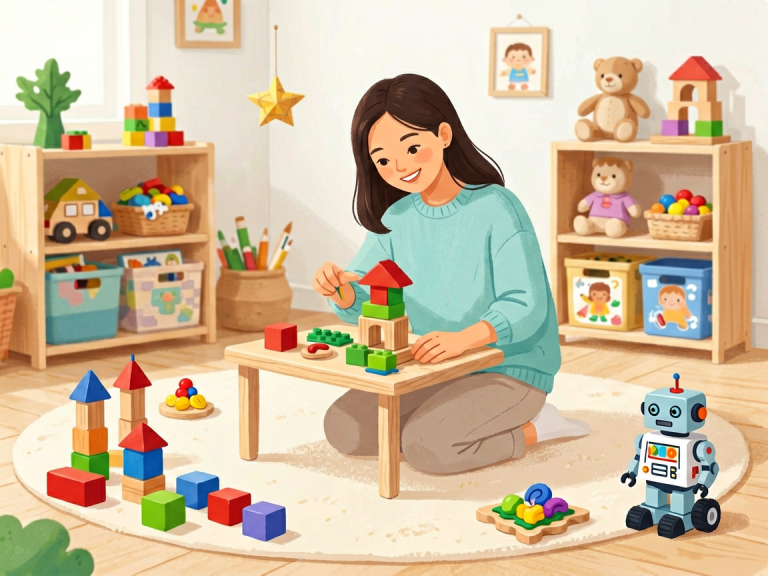
Classic wooden blocks (e.g., from brands like Hape or Melissa & Doug) remain a gold standard for safety. They are splinter-free, painted with non-toxic dyes, and large enough to avoid choking. For plastic alternatives, LEGO Duplo is explicitly designed for toddlers, with pieces that are twice the size of standard LEGO bricks.
2. Magnetic Tiles and Rods
Magnetic construction sets (e.g., Magna-Tiles, Picasso Tiles) are incredibly popular for teaching geometry and structural engineering. Safety concerns focus on the magnets: they must be fully encapsulated in plastic to prevent ingestion. Leading brands use ultrasonic welding to seal the magnets, and the tiles are made from shatter-resistant ABS plastic. Always check that the magnets are rare-earth neodymium but securely housed.
3. Gear and Pulley Sets
Toys like Learning Resources Gears! Gears! Gears! allow children to experiment with mechanical motion. Safe versions use interlocking gears that cannot be removed easily, reducing the risk of small loose parts. The gears themselves should have blunt teeth and a snap-fit design that requires parental assistance for assembly on younger models.
4. Simple Machines and STEM Kits
Kits that teach levers, wheels, and inclined planes – such as those from Thames & Kosmos or KiwiCo – often include screws, axles, and connectors. Safety here depends on the quality of the fasteners: plastic screws should have rounded heads, and metal axles must be coated or capped. Many kits come with safety scissors and blunt-tipped tools.
—
Developmental Benefits of Safe Engineering Toys
Beyond safety, these toys offer profound cognitive and physical benefits that justify their place in every child’s toy box.
STEM Learning and Problem-Solving
Engineering toys naturally introduce concepts like cause-and-effect, balance, and mechanical advantage. A child building a bridge learns about load distribution without realizing it. This hands-on exploration is more effective than passive learning.
Fine Motor Skills and Hand-Eye Coordination
Manipulating small pieces – placing blocks, connecting gears, aligning magnets – strengthens the small muscles in the hands and improves dexterity. This is especially important for preschool-aged children as they prepare for writing tasks.
Creativity and Perseverance
Unlike passive entertainment, engineering toys are open-ended. There is no single “right” answer. Children learn to iterate: when a tower falls, they try a new design. This builds resilience and creative thinking. Safe toys allow this process to happen without frustration over broken parts or unsafe materials.
Social and Collaborative Skills
Many engineering toys are designed for group play. Building a large structure with friends requires negotiation, sharing, and teamwork. In a safe environment, children can focus on cooperation rather than worrying about injury.
—
Tips for Choosing the Right Safe Engineering Toys for Different Ages
Age recommendations are not arbitrary; they are based on developmental stages and safety risk assessments.
Ages 1–3: Toddlers
- Choose oversized blocks, soft building sets (foam or fabric), and simple shape sorters.
- Avoid any batteries or small magnets.
- Ensure all pieces are at least 1.25 inches in diameter.
- Look for toys labeled “BPA-free” and “phthalate-free.”
Ages 3–5: Preschoolers
- Introduce larger magnetic tiles, Duplo bricks, and basic gear sets with snap-on pieces.
- Check for rounded edges and sturdy construction.
- Supervise play with any toy that includes axles or rods.
Ages 5–8: Early School Age
- Standard LEGO, marble runs, and simple machines kits are appropriate.
- Ensure that any electronic components (e.g., small motors) are enclosed and low-voltage.
- Teach children to inspect toys for any damage before use.
Ages 8+: Advanced Builders
- Complex STEM kits with metal parts, pulleys, and detailed instructions become safe when children have sufficient dexterity and understanding of safety rules.
- Provide safety goggles for kits that involve rubber bands or spring mechanisms.
—
Conclusion
Safe engineering toys are far more than just playthings – they are instruments of discovery that build the next generation of innovators. By prioritizing safety standards, material quality, and age-appropriate design, parents and educators can create an environment where curiosity flourishes without unnecessary risk.
Remember that no toy is completely risk-free; adult supervision remains essential, especially for children under three. But by choosing well-crafted, certified engineering toys, you give your child the greatest gift: the freedom to build, fail, and try again in a world that is as secure as it is inspiring.
Whether it is a simple wooden block or a sophisticated gear train, the safest toy is one that respects the child’s physical limits while expanding their mental horizons. Choose wisely, play freely, and watch your little engineer thrive.