How to Choose Toys for Siblings: Essential Tips for Peace, Play, and Development
Choosing toys for siblings can be one of the most challenging yet rewarding tasks for parents, grandparents, or caregivers. Unlike buying a gift for a single child, selecting toys for multiple children who share a home, a playroom, and often a competitive spirit requires a delicate balance of fairness, engagement, and developmental appropriateness. A poorly chosen toy can spark jealousy or fights, while a well-chosen one can nurture cooperation, creativity, and lasting bonds. This comprehensive guide provides actionable tips to help you navigate the complexities of toy selection for siblings, ensuring that every child feels valued and that playtime becomes a source of harmony rather than conflict.
Understanding the Sibling Dynamic: Age Gaps, Personalities, and Shared Spaces
The Role of Age Differences in Toy Selection
One of the most significant factors when choosing toys for siblings is the age gap between them. A three-year-old and a ten-year-old have vastly different cognitive abilities, motor skills, and attention spans. For a wide age gap, consider toys that allow for parallel play or cooperative play with different levels of difficulty. Building sets like LEGO or magnetic tiles are excellent because a younger child can stack simple structures while an older sibling can construct complex models. Similarly, art supplies such as crayons, markers, and clay let each child create at their own skill level without direct comparison. Board games with adjustable rules—like those offering simplified versions for younger players—can also bridge the gap. The key is to avoid toys that are too advanced for one child (causing frustration) or too babyish for another (causing boredom or resentment).
Personality and Play Style: The Quiet vs. the Active Child
Siblings often have contrasting temperaments. One may be a calm, imaginative player who enjoys puzzles and books, while another is a high-energy child who loves running, jumping, and loud noise. When selecting shared toys, look for items that can satisfy both types. A child-sized play tent or a fort-building kit, for example, allows the quiet child to create a cozy reading nook while the active child uses it as a base for hide-and-seek or pretend adventures. Balance toys that require physical activity (balls, jump ropes, balance boards) with those that encourage stillness (board games, craft kits). If you must choose a single type, opt for open-ended toys that children can adapt—like a set of foam building blocks that can be used for construction, as pretend food, or as cushions for a wrestling match.
Practical Strategies for Choosing Toys That Minimize Conflict
The Power of Shared Ownership and Collaborative Toys
One of the most effective ways to reduce sibling rivalry over toys is to select items that require cooperation rather than competition. Cooperative board games, where players work together to achieve a common goal (such as escaping a maze or saving a dragon), teach teamwork and eliminate the “winner vs. loser” dynamic. Similarly, large-scale puzzles that need multiple sets of hands, or building projects that require more than one person to assemble (like a marble run or a train track), naturally encourage siblings to communicate and share credit. Another example is a play kitchen with multiple utensils and food items—while it can be used alone, it becomes much more fun when siblings play restaurant together, assigning roles like chef, waiter, and customer.
Avoiding Single-User Toys and Creating “Fair” Sets
Toys that can only be used by one child at a time—such as a single tricycle, a doll with only one outfit, or a remote-controlled car with a single controller—are breeding grounds for arguments. If you do buy such an item, consider purchasing an additional complementary toy or ensuring there are enough accessories for everyone. For example, if you buy a dollhouse, also buy enough furniture and dolls so that each sibling can claim a room or character. If you buy a video game console, invest in multiplayer games or extra controllers. When budget allows, buying identical or near-identical toys (two different-colored scooters, two art easels) can be a peacekeeping strategy, especially for younger children who are still learning to share. However, be cautious: this approach can also lead to comparisons (“Her scooter is faster than mine”). Instead, offer choices within the same category—one child gets a blue scooter, the other a red one, and they can swap if they wish.
Rotating Toys to Keep Play Fresh and Fair
Even the most thoughtful toy selection can lead to boredom or possessiveness over time. Implement a toy rotation system where you store half of the toys out of sight and swap them every few weeks. This not only keeps play interesting but also reduces the number of items available for dispute. When you rotate, involve the siblings in decision-making: let each child choose one toy to bring back into the rotation. This gives them a sense of control and reduces the feeling that a favorite toy has been taken away unfairly. For shared toys, consider labeling different compartments or bins with each child’s name, while designating other toys as “community” items. This hybrid system teaches both ownership and generosity.
Developmental Benefits: Choosing Toys That Teach Sibling Skills
Fostering Empathy and Social Skills Through Role-Play
Toys that encourage role-playing are especially valuable for siblings because they naturally require negotiation, turn-taking, and empathy. A doctor’s kit, puppet theater, or costume trunk allows children to act out different scenarios—treating each other’s imaginary injuries, collaborating on a story, or deciding who gets to be the superhero. Dramatic play helps children understand perspectives different from their own, which is crucial for resolving real-life conflicts. When choosing such toys, look for sets that include multiple roles or interchangeable pieces. A play food set with a cash register works well because one child can be the cashier and the other the customer, and they can switch roles later.
Encouraging Problem-Solving and Communication
Construction toys, science kits, and logic puzzles that require two or more minds to solve are fantastic for sibling development. For instance, a “snap circuits” electronics kit can be used by an older child to show a younger one how to connect wires, fostering a mentoring relationship. A cooperative escape-room-style game for kids demands that siblings share clues and discuss strategies. These experiences build communication skills and teach children that they can achieve more together than alone. When selecting such toys, prioritize those labeled for multiple players or those that come with challenges that scale in difficulty.
Balancing Independent Play with Shared Play
While shared toys are important, siblings also need personal space and individual possessions. Respect each child’s need for solo play by allowing them to have a few toys that are exclusively theirs—kept in their own room or a special box. For shared gifts, consider buying separate but complementary items. For example, one child might receive a set of markers and sketchbooks, while the other gets watercolor paints and paper. They can then work side by side on their own art projects, sharing supplies only when they choose. This reduces the pressure to constantly negotiate and allows each child to develop their own interests.
Navigating Special Occasions: Birthday Gifts, Holiday Presents, and Family Donations
The Great Gift-Giving Dilemma: One Big Gift vs. Individual Gifts
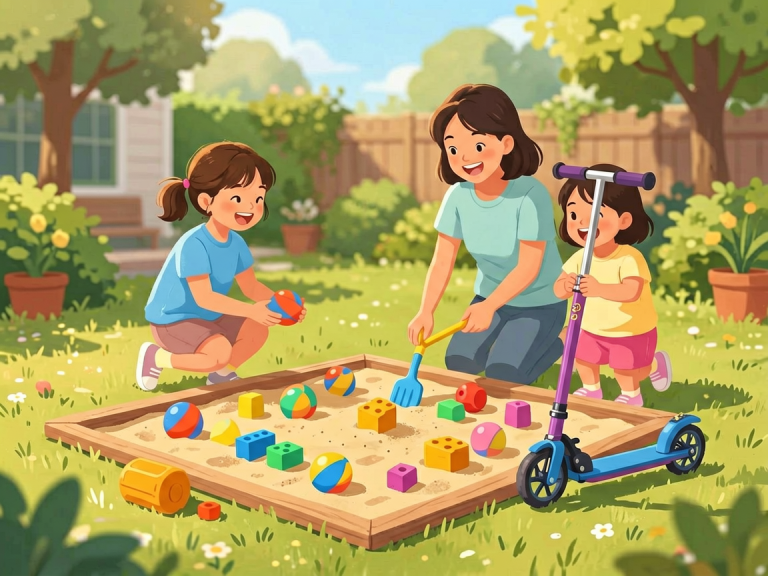
When it comes to birthdays or holidays, parents often struggle with whether to give one large, expensive toy that all siblings must share (like a trampoline or a playhouse) or individual gifts for each child. The answer depends on the children’s ages and personalities. A shared gift can be wonderful if it truly requires cooperation and if the siblings have a good relationship. However, it can backfire if one child dominates the toy or if the gift feels “impersonal.” A balanced approach is to give one major shared gift (like a sandbox or a family board game) and supplement it with a small, personal gift for each child. For example, a new bicycle for the family to share (with adjustable seats) can be complemented by personalized helmets or bells. This acknowledges the need for both togetherness and individuality.
Involving Siblings in the Selection Process
Before making a final purchase, especially for a shared toy, ask the siblings for their input. You might say, “We’re thinking of getting a new game for both of you. What kind of game would you like—something with racing, or a mystery game?” This gives children a sense of agency and makes them more likely to embrace the toy when it arrives. For older children, you can even let them research options and present their arguments. This process itself becomes a learning experience in negotiation and compromise. If one child wants a science kit and the other wants art supplies, you might agree on a kit that combines both, like a set for making slime or bath bombs.
Avoiding Gender Stereotypes and Prescriptive Roles
When shopping for siblings, be mindful not to impose gender stereotypes. A brother might love dolls, and a sister might love dinosaurs. Choosing toys that are genuinely based on the children’s interests, rather than societal expectations, prevents one child from feeling left out or pressured. For mixed-gender siblings, consider toys that have gender-neutral appeal, such as board games, building sets, musical instruments, or outdoor sports equipment. Even if a toy is marketed to one gender, if both children express interest, don’t hesitate. The best toys are those that spark joy and curiosity in the children who will actually use them.
Conclusion: The Ultimate Goal – Strengthening Bonds Through Play
Selecting toys for siblings is not merely about entertainment; it is about shaping their relationship. Well-chosen toys can turn a potential battleground into a laboratory for life skills—sharing, empathy, negotiation, and collaboration. By considering age gaps, personalities, and the need for both shared and individual ownership, you can create a play environment where siblings learn to appreciate each other’s strengths and differences. Remember that no single toy will solve all conflicts, and occasional disagreements are a normal part of growing up together. The toys you choose are tools, not solutions. The real magic happens when siblings look at each other, not at the toy, and say, “Let’s play together.” With thoughtful selection, you can help make that invitation more frequent and more joyful.