Essential Guide: What to Know Before You Choose Safe Toys
—
Introduction
Every parent, caregiver, or gift-giver wants to see a child’s eyes light up with joy when unwrapping a new toy. Yet behind the colorful packaging and playful designs lies a critical responsibility: ensuring that the toy is safe. Each year, thousands of children are treated in emergency rooms for toy-related injuries, ranging from choking incidents to chemical burns. The key to preventing these accidents is not just buying the most popular brand, but knowing exactly what to look for before making a purchase. This article provides a comprehensive overview of what you need to know before choosing safe toys—covering regulatory standards, material hazards, age suitability, mechanical risks, and practical shopping tips. By the end, you will be equipped with the knowledge to make informed decisions that protect children while still allowing them to explore, learn, and have fun.
—
Understanding Toy Safety Standards and Certification
Before you even look at a toy’s design or price tag, you must understand the safety standards that govern its production. In the United States, the Consumer Product Safety Commission (CPSC) enforces strict regulations under the Federal Hazardous Substances Act and the Consumer Product Safety Improvement Act (CPSIA). These laws mandate testing for lead content, phthalates, and mechanical hazards. Similarly, the European Union requires toys to carry the CE marking, indicating compliance with the Toy Safety Directive (2009/48/EC). Other countries have their own equivalents, such as the Australian AS/NZS 8124 or China’s GB 6675.
When shopping, look for certification labels on the packaging. For example, the ASTM F963 label (American Society for Testing and Materials) is a strong indicator that the toy has been independently tested for safety. Beware of products that lack any certification marks—they may be counterfeit or manufactured without oversight. Additionally, check if the toy has been recalled. The CPSC website maintains an updated list of recalled toys, and you can quickly search for recalls before buying secondhand or online imports.
—
Age Appropriateness: More Than Just a Number
One of the most common mistakes parents make is buying a toy that is too advanced for a child’s developmental stage. Age recommendations on toy packaging are not arbitrary; they are based on extensive research about children’s physical, cognitive, and behavioral capabilities at each age. For infants under 12 months, toys must be free of small parts that could cause choking. They should also be made of soft, washable materials without long strings or cords that could pose strangulation hazards. For toddlers (1–3 years), toys should be sturdy, with no sharp edges or points, and should not contain batteries that are easily accessible.
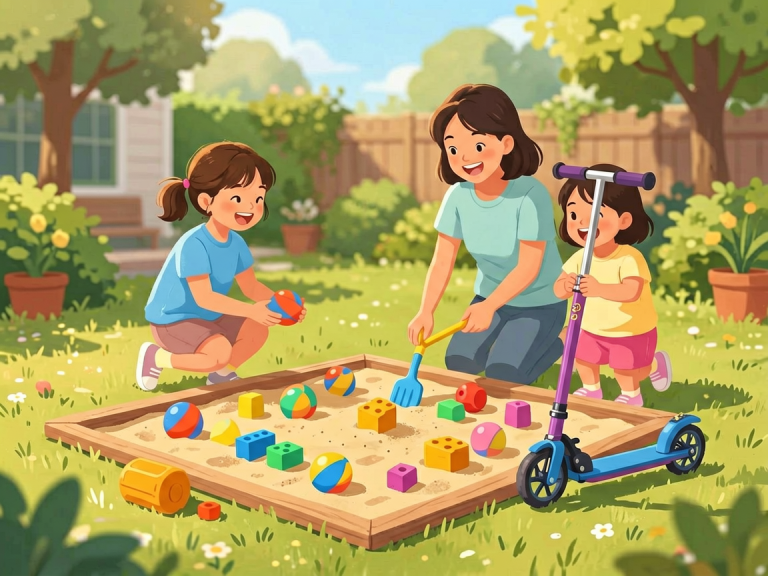
Preschoolers (3–5 years) begin to enjoy more complex toys like building blocks, art supplies, and simple puzzles. However, even at this age, you must watch for potential projectiles (e.g., darts or toy guns) and ensure that art materials are non-toxic and labeled AP (Approved Product) by the Art & Creative Materials Institute. For children aged 6–12, toys may include small parts, but they should be used under adult supervision if the child still tends to put objects in their mouth. Riding toys, scooters, and skateboards require age-appropriate safety gear—helmets, knee pads, and elbow pads—which many parents forget to include when purchasing the toy itself.
Remember: the age label is a minimum recommendation. Always consider the individual child’s maturity and habits. A three-year-old who still mouths objects should not receive toys intended for a five-year-old, even if the box says “3+.”
—
Material and Chemical Safety: What’s Inside Matters
The materials used to manufacture toys can hide invisible dangers. Lead, cadmium, phthalates, bisphenol A (BPA), and formaldehyde are some of the most concerning chemicals found in low-quality toys. Lead, in particular, is a neurotoxin that can cause irreversible developmental delays. Although many countries have banned lead in toys, cheap imports from unregulated markets may still contain it. To protect against this, always purchase toys from reputable brands and retailers that comply with strict chemical limits.
Phthalates are often used to soften plastics, especially in vinyl toys like dolls or bath toys. Prolonged exposure can disrupt endocrine function. Look for toys labeled “phthalate-free.” Similarly, BPA is commonly found in clear hard plastics (polycarbonate) used for building blocks or teethers; opt for BPA-free options. For wooden toys, ensure they are painted with non-toxic, water-based paints and that the wood is smoothly sanded to prevent splinters. Avoid toys with a strong chemical smell—this can indicate off-gassing of volatile organic compounds (VOCs).
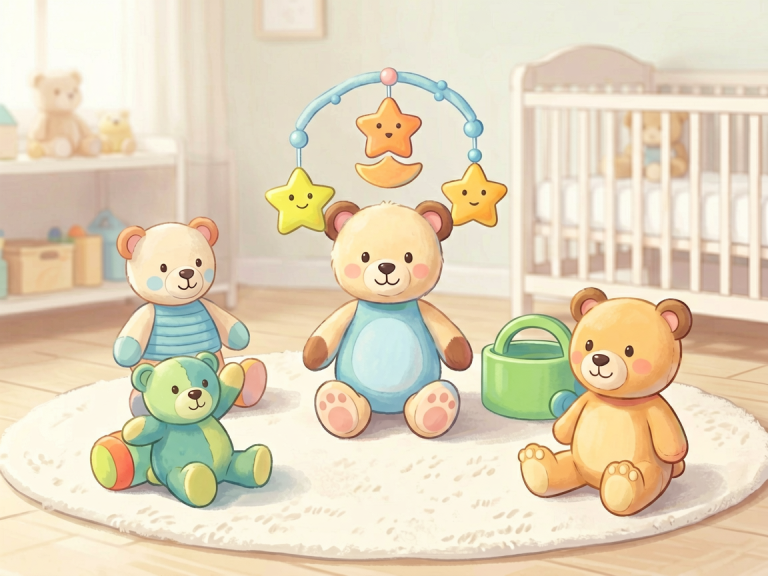
Fabric toys, such as stuffed animals, should be machine washable and made from flame-resistant fabrics. Check that all seams are secure and that eyes, noses, and other decorations are embroidered or firmly attached, not glued or stitched loosely. Buttons and plastic eyes can be pulled off by a teething baby and become choking hazards.
—
Mechanical Hazards and Design: Preventing Physical Injuries
Even if a toy is made from safe materials, its design can pose physical risks. Strangulation hazards often come from cords, ribbons, or long strings. For children under 18 months, avoid any toy with a cord longer than 12 inches. This includes pull-toys, necklaces, or toys with hanging loops. Also, check for sharp edges or points—run your fingers along every surface, paying attention to joints and seams. Battery compartments should be secured with a screw (not a sliding door) to prevent children from accessing coin-sized batteries, which can cause severe internal burns if swallowed.
Magnets are another hidden danger. High-powered magnets (often found in building sets or desk toys) can attract each other through intestinal walls if swallowed, leading to perforations, sepsis, or death. Avoid toys containing loose magnets for children under 14, and always supervise older children using magnetic sets. Similarly, projectiles such as toy arrows, darts, or balls should have soft, rounded tips and be designed to reduce impact force. Avoid toys that can be mistaken for real weapons.
For ride-on toys, check the stability: a wide wheelbase prevents tipping. Scooters and bicycles must have working brakes and reflectors. Helmets are non-negotiable, and they should fit snugly, meeting CPSC standards.
—
Battery and Electrical Safety: Modern Toys Require Extra Caution
Many electronic toys—from interactive plushies to learning tablets—use batteries. Button cell batteries, in particular, are extremely dangerous. A child can swallow them in seconds, and the saliva activates an electrical current that can burn through the esophagus in under two hours. Always ensure that the battery compartment is secured with a screwdriver-required lock. Never let a child play with loose batteries, and keep spare batteries out of reach.
For toys that plug into a wall (for charging or operation), look for the UL (Underwriters Laboratories) mark in the U.S., or the equivalent safety certification in your country. Avoid toys with frayed cords or exposed wiring. Battery-powered toys should be used under supervision, especially if they heat up during use—some rechargeable batteries can overheat and cause burns. Teach older children to never mix old and new batteries or different types (alkaline vs. lithium).
—
Tips for Smart Shopping: Where and How to Buy Safer Toys
Knowledge becomes useless without action. Here are practical steps to apply everything you’ve learned:
- Read labels carefully. Look for age recommendations, safety certifications (ASTM, CE, CPSC), and warnings like “small parts” or “non-toxic.” If a label is missing or impossible to read, do not buy it.
- Choose reputable brands. While generic or cheap toys can be tempting, established brands invest in safety testing. Check reviews and recall histories online.
- Avoid buying from street vendors or unverified online marketplaces. Counterfeit toys are common on platforms like some third-party sellers—they often bypass safety testing entirely.
- Inspect the toy in person. Shake it, feel for sharp edges, and test the sturdiness of attached parts. If you are ordering online, read detailed customer reviews and look at close-up photos.
- Check for recalls. Before purchasing a used toy (at a garage sale or thrift store), look up the toy on the CPSC recall database. Older toys may contain lead paint or have outdated safety features.
- Think about the play environment. Does the child have space to use the toy safely? For example, a trampoline requires a clear area with padding and adult supervision. A remote-control car needs an open space away from stairs and water.
- Trust your instincts. If a toy feels flimsy, smells odd, or looks poorly made, it probably is. Your gut reaction is often backed by safety concerns.
—
Conclusion
Choosing safe toys is not about wrapping children in bubble wrap—it is about empowering them to play confidently in an environment where risks are minimized. By understanding safety standards, respecting age guidelines, scrutinizing materials and design, and staying informed about recalls, you can turn each toy purchase into a gift of both joy and protection. The time you invest in research today can prevent a trip to the emergency room tomorrow. As you shop for the next birthday, holiday, or just-because present, remember: a safe toy is a toy that allows a child to be a child—curious, active, and happy—without hidden dangers lurking beneath the surface.
(Word count: approximately 1,540 words)