First Birthday Toy Ideas for Newborns: Celebrating the Milestone with Purposeful Play
A baby’s first birthday is a momentous occasion—not just for the parents who have survived 365 days of sleepless nights, diaper changes, and endless wonder, but for the little one who has transformed from a fragile newborn into a curious, mobile, and expressive toddler. The term “newborn” in this context refers to the infant who has just completed their first year of life, emerging from the newborn stage into early toddlerhood. Selecting the perfect toy for this milestone is both an art and a science: it must be safe, developmentally appropriate, and engaging enough to capture the fleeting attention of a one-year-old. This article explores a curated list of first birthday toy ideas designed to stimulate sensory exploration, motor skills, cognitive growth, and social interaction—all while keeping safety and fun at the forefront.
Sensory Toys: Engaging the Five Senses
At twelve months, babies are sensory sponges. They learn about the world by touching, tasting, hearing, seeing, and even smelling. Sensory toys are not just entertaining; they build neural connections that lay the foundation for future learning.
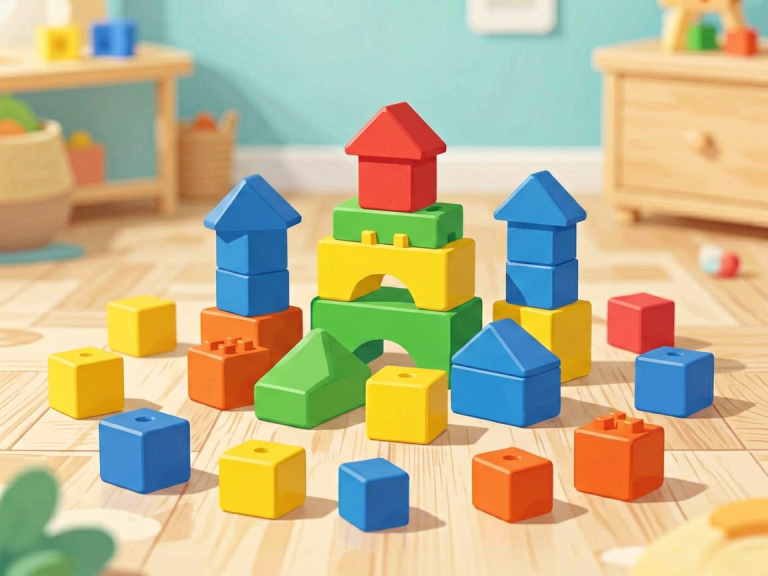
Texture balls and blocks are excellent starters. Choose soft, washable balls with different surfaces—bumpy, smooth, ribbed, or fuzzy. Babies love to roll them, squeeze them, and (inevitably) mouth them. Look for sets that include varied shapes like cubes, stars, or rings, as these help develop fine motor skills when babies attempt to grasp and transfer them from hand to hand. A particularly good option is a set of silicone teething toys with multiple textures, which double as pain relief for emerging molars.
Musical instruments designed for tiny hands are another hit. A small maraca, a jingle bell bracelet, or a xylophone with large, easy-to-strike keys allows the baby to experiment with cause and effect: “When I shake this, it makes a sound!” This simple revelation boosts cognitive development and encourages repeated practice. Avoid instruments with small parts that could become choking hazards. Instead, opt for sturdy wooden or BPA-free plastic options that can withstand enthusiastic banging.
Light-up toys that change colors or project patterns onto the ceiling captivate a one-year-old’s visual system. A soft, plush star that glows when hugged, or a rolling ball that flashes lights as it moves, encourages crawling, scooting, or walking after it. Always check that the light source is not too bright and that the toy automatically shuts off after a period of inactivity to preserve battery life and prevent overstimulation.
Gross Motor Skill Builders: Encouraging Movement
Most babies take their first independent steps between 9 and 15 months. A first birthday is the perfect time to introduce toys that support balance, coordination, and leg strength.
Push-and-pull toys are classic for a reason. A wooden push cart with a handle at the right height gives the baby something sturdy to hold while practicing walking. Some models have removable blocks inside that the child can take out and stack, adding an extra layer of play. Alternatively, pull-along toys—like a wooden duck that waddles or a wagon with a string—encourage backward walking and reaching, which strengthen core muscles.
Ride-on toys that are low to the ground, such as a small car or animal-shaped scooter that the baby pushes with their feet, are wonderful for developing leg muscles and spatial awareness. Ensure the toy has a wide base to prevent tipping. Many ride-ons also have a storage compartment inside, which turns cleaning-up into a game.
Soft climbing blocks or foam play mats with varied inclines allow the baby to practice crawling over obstacles, pulling up to stand, and even taking a few steps over a gentle slope. These toys build confidence and body awareness. Look for sets that interlock like puzzle pieces, so they can be rearranged to create different “obstacle courses” as the child grows.
Fine Motor and Cognitive Development: Problem Solving Through Play
By twelve months, babies are fascinated by tasks that require precision and logic. They love opening, closing, stacking, and sorting.
Stacking cups or rings are deceptively simple learning tools. A set of colorful cups with different sizes teaches concepts like “bigger,” “smaller,” “top,” and “bottom.” Babies will spend long minutes trying to nest them correctly or to stack them in a tower, only to knock it down with a delighted shriek. This trial-and-error process is essential for developing fine motor control and early problem-solving skills. Some sets also have holes in the bottom, turning bath time into a water-pouring experiment.
Shape sorters remain a gold standard for cognitive development. Look for a sorter with large, chunky shapes that are easy to grip—circles, squares, triangles, and stars. The baby must match each shape to its corresponding hole, which requires visual discrimination and hand-eye coordination. To avoid frustration, choose a sorter with only three or four shapes at first. Electronic versions that play sounds when the correct shape is inserted add an extra reward.
Simple puzzles with knobs on each piece are ideal for this age. The knobs make it easy for tiny fingers to lift and maneuver the piece. Start with puzzles that have only one piece per shape, such as a farm animal puzzle where each animal fits into its own cutout. As the baby’s skills improve, you can introduce two- or three-piece puzzles that have matching pictures underneath.
Imitative and Social Play: The Power of Pretend
One-year-olds are keen observers of adult behavior. They love to imitate what they see—talking on the phone, brushing hair, stirring a pot. Toys that support this early form of pretend play foster language development, empathy, and social understanding.
Dolls or soft animals with simple accessories like a blanket, a tiny bottle, or a brush encourage nurturing behavior. A baby might hug the doll, pretend to feed it, or pat its back. Look for dolls with sewn-on facial features (no buttons or glued eyes) and machine-washable bodies. Gender-neutral options, such as a plush bear or a simple rag doll, are perfect.
Play kitchens are a huge hit, but they don’t have to be elaborate. A few wooden fruits and vegetables that can be “cut” with a wooden knife, plus a small pot and a spoon, provide endless opportunities for imitation. The baby will stir, scoop, and perhaps taste the pretend food—all while learning about cause and effect and the routines of daily life.
Toy telephones (especially those that make realistic ringing sounds) delight one-year-olds. Handing a toy phone to your baby and pretending to have a conversation builds vocabulary and turn-taking skills. Some toy phones have push buttons that play numbers or animal sounds, adding an educational element.
Safety Considerations: What to Avoid
When shopping for any first birthday toy, keep these safety guidelines in mind:
- No small parts that can be removed and swallowed. Use a choke tube tester (any cylinder with a diameter of about 1.25 inches) to check.
- Avoid cords longer than 12 inches to prevent strangulation hazards. This includes pull-along toy strings.
- Check for sharp edges or points. Run your finger along the toy’s surface.
- Ensure materials are non-toxic and free of BPA, phthalates, and lead. Look for labels like “ASTM” or “CE” certification.
- Battery compartments should be secured with screws, so the baby cannot access the batteries.
- Consider the child’s current abilities. A toy that is too advanced will frustrate; one that is too simple will bore. Aim for the “just right” challenge zone.
Conclusion: The Best Toy Is Quality Time
Ultimately, the most valuable gift you can give a one-year-old is your undivided attention. The toys listed above are tools that facilitate interaction and exploration, but they are only as good as the play experience they create. Sit on the floor, stack those blocks together, shake the maracas, and clap when your baby takes a wobbly step. The first birthday marks the end of the newborn era and the beginning of a whole new adventure in learning. Choose toys that celebrate this precious transition—ones that are safe, stimulating, and full of the simple joy that makes childhood magical.