Introduction
Title: The Ultimate Guide to the Best Educational Gifts for 6-Year-Olds: Fostering Curiosity, Creativity, and Cognitive Growth
Selecting the perfect gift for a six-year-old can feel like navigating a maze of fleeting trends and short-lived excitement. At this age, children are no longer toddlers but not yet fully independent learners. They are entering a critical developmental window where their brains are exceptionally plastic, their curiosity is insatiable, and their capacity for abstract thinking is just beginning to bloom. The right educational gift does more than entertain—it scaffolds their cognitive, social, emotional, and physical growth in ways that feel like play.
Six-year-olds typically start formal schooling (or have just completed kindergarten), so they are primed for activities that reinforce literacy, numeracy, problem-solving, and fine motor skills. Yet they still crave wonder, hands-on exploration, and social connection. An educational gift that respects their developmental stage should be open-ended enough to allow for multiple uses, challenging enough to stretch their abilities without causing frustration, and engaging enough to hold their attention beyond the first unwrapping.
This guide categorizes the best educational gifts for six-year-olds into five key domains: STEM exploration, language and literacy, creative arts, social-emotional learning through games, and active outdoor play. Each recommendation is backed by research on child development and offers a balance between guided learning and free exploration.
—
1. STEM Gifts: Building a Foundation for Logical Thinking
At six, children are natural scientists. They ask “why?” incessantly, love taking things apart, and start to understand cause-and-effect relationships. STEM (Science, Technology, Engineering, and Mathematics) gifts that encourage experimentation and construction are ideal because they transform abstract concepts into tangible results.
1.1 Programmable Robot Kits for Early Coding
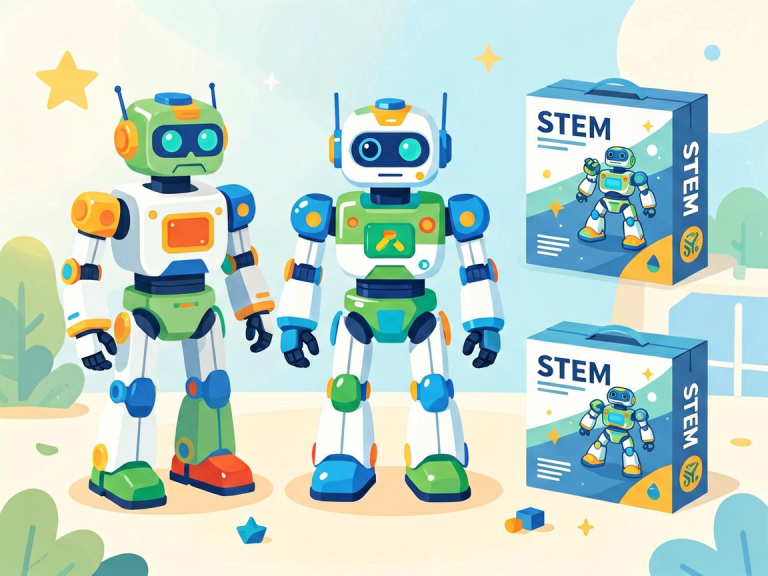
Simple robots like the *Botley 2.0* or *Code-a-Pillar* require no screen time. Children use physical coding cards or buttons to program a sequence of movements—forward, turn left, loop. This teaches sequence, logic, and debugging (when the robot doesn’t do what they expected, they must retrace their steps). At six, children can manage 10–15-step sequences, and the immediate feedback from the robot reinforces cause-and-effect reasoning.
1.2 Building Sets with Gears and Pulleys
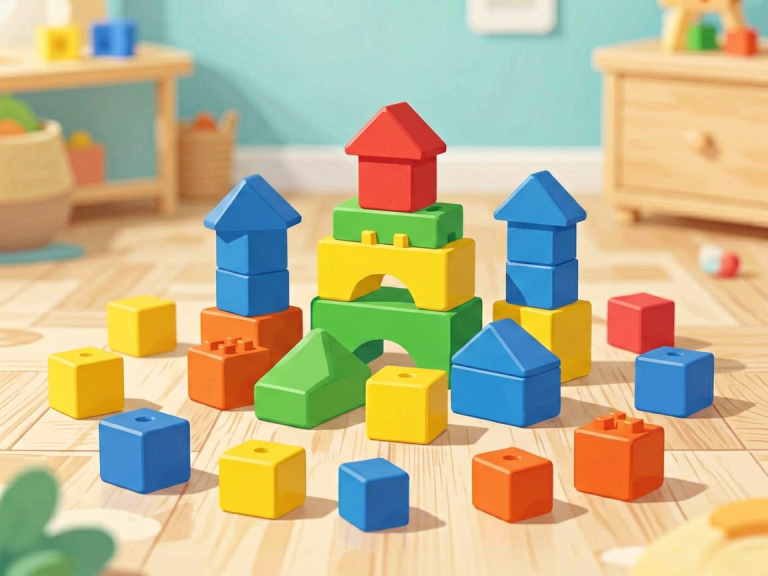
Standard building blocks are fine, but for six-year-olds, sets that incorporate mechanical elements—gears, axles, pulleys, and levers—elevate the experience. *LEGO Classic Creative* boxes are excellent, but *K’NEX Education* sets or *Magnetic Tiles* with gear attachments allow children to build moving models: a windmill that spins, a crane that lifts. This introduces basic physics concepts like torque and friction while strengthening fine motor skills and spatial reasoning.
1.3 Science Experiment Kits
Safety-tested kits like *Learning Resources Primary Science Lab Set* or *Be Amazing! Big Bag of Science* include child-friendly tools (jumbo test tubes, magnifying glasses, non-toxic powders) and guided experiments—making slime, growing crystals, or creating a vinegar-and-baking-soda volcano. The key is to choose kits with clear picture instructions that require minimal adult intervention, allowing the child to feel a sense of discovery. Research shows that hands-on experiments improve retention of scientific concepts and foster a growth mindset.
—
2. Language & Literacy Gifts: Nurturing a Love for Reading and Writing
Six-year-olds are typically in the early stages of decoding words, but their listening comprehension far exceeds their reading ability. Gifts that bridge oral language, print awareness, and creative writing can accelerate literacy in a stress-free way.
2.1 Interactive Storytelling Games
Games like *Story Time Dice* (sets of picture dice showing characters, settings, and objects) encourage children to invent narratives. Rolling the dice and weaving a story around the images builds vocabulary, narrative structure (beginning, middle, end), and oral fluency. For a more structured option, *Rory’s Story Cubes* are small, durable dice that fit in a pocket; families can play during car rides or at dinner.
2.2 Personalized Storybooks
Personalized books (from companies like *Wonderbly* or *Lost My Name*) insert the child’s name, hometown, and even friends into the story. This personal connection makes reading highly motivating. At six, children are beginning to recognize their own name in text, and seeing it in print reinforces letter-sound correspondence and the concept that written words represent real people.
2.3 Magnetic Word-Building Kits
Magnetic letters and word tiles (e.g., *Magna Doodle Word Builder* or *Melissa & Doug Magnetic Word Set*) allow children to experiment with spelling without the pressure of writing. They can rearrange letters to form simple words (“cat,” “bat,” “hat”), then swap the first letter to explore rhyming patterns. This phonemic awareness activity is a strong predictor of later reading success.
2.4 High-Quality Picture Books with Rich Language
Though not a “gift” in the traditional toy sense, a curated set of picture books from award-winning authors (like *The Day the Crayons Quit* by Drew Daywalt, *Extra Yarn* by Mac Barnett, or *The Most Magnificent Thing* by Ashley Spires) offers endless educational value. These books contain sophisticated vocabulary, complex emotions, and intricate illustrations that prompt deep conversations. Include a reading journal with simple prompts (“Draw your favorite part” or “What would you do if you were the crayon?”) to encourage reflection.
—
3. Creative Arts Gifts: Cultivating Imagination and Fine Motor Skills
Six-year-olds have developed enough fine motor control to use scissors, draw recognizable shapes, and manipulate small objects. Art supplies that are high-quality and open-ended—as opposed to rigid coloring books—allow for self-expression and problem-solving.
3.1 Real Artist Materials for Young Hands
Instead of cheap markers and thin paper, invest in a set of *Crayola Watercolor Pencils* (they can be used dry or wet for a paint effect), *Kids’ Acrylic Paint* in primary colors, and thick, textured paper. Adding a simple easel or a roll of butcher paper taped to a wall encourages large-scale drawing. The act of mixing colors teaches color theory, and the choice of subject matter fosters narrative thinking.
3.2 Sewing and Weaving Kits
Simple looms (like *Melissa & Doug Loom* or *Weave a Square* sets) or pre-punched sewing cards teach hand-eye coordination, pattern recognition, and patience. More advanced kits include plastic needles and yarn; children can create small pouches or wall hangings. The repetitive motion is calming and helps develop the fine motor control needed for handwriting.
3.3 Stop-Motion Animation Kits
For tech-savvy families, a kit like *Stop Motion Studio* (a simple app paired with a small tripod and a clay character set) lets children create short films. They must plan a storyboard, position characters incrementally, and record frame by frame. This blends artistic creativity with sequencing and executive function skills—planning, organizing, and sustaining attention over time.
—
4. Board Games & Cooperative Play: Social-Emotional Learning Through Structure
Six-year-olds are learning to manage emotions, take turns, and handle winning and losing. Well-designed board games can teach these skills far more effectively than lectures.
4.1 Cooperative Games
Games like *Hoot Owl Hoot!* or *Race to the Treasure* require all players to work together toward a shared goal, rather than compete. In *Hoot Owl Hoot!*, players help owls fly home before sunrise. This eliminates the sting of losing and encourages communication, empathy, and shared decision-making. Research indicates that cooperative play reduces aggression and increases prosocial behavior in early elementary children.
4.2 Memory and Matching Games
Classic memory games (like *The Memory Game* from *Memory* or *Zingo!* from ThinkFun) sharpen visual discrimination and working memory. *Zingo!* is especially engaging because it uses a fast-paced tile dispenser; children must match the word or picture on their card to the tile. This builds quick recognition of common sight words or objects.
4.3 Strategy Games for Early Logic
Games like *Robot Turtles* (a board game that teaches basic coding) or *My First Catan* introduce simple resource management and planning. Children must decide which paths to take or which resources to gather, learning that choices have consequences. These games are short (15–20 minutes) to match attention spans and include clear visual cues.
—
5. Outdoor & Active Educational Gifts: Learning Through Movement
Physical play is not separate from cognitive development; it enhances brain function by increasing blood flow and releasing neurotrophic factors that support learning. Six-year-olds need vigorous activity, but they also benefit from outdoor toys that embed challenges.
5.1 Nature Exploration Kits
A *Bug Catcher Kit* with a magnifying jar, tweezers, and a field guide (like *National Geographic Kids’ Bug Guide*) turns a backyard or park into a living laboratory. Children can catch insects, observe their behavior, and compare them to pictures. This builds classification skills, careful observation, and respect for living things. Include a small notebook for sketches and notes.
5.2 Obstacle Course Equipment
Simple items like *Stepping Stones* (plastic or wood), *Balance Beams* (low to the ground), and *Target Throwing Sets* (Velcro balls and targets) allow children to design their own obstacle courses. Planning the sequence of challenges requires executive function, while the physical execution improves gross motor control, coordination, and risk assessment.
5.3 Gardening Kits
A child-sized set of gardening tools (a trowel, gloves, watering can) and fast-growing seeds (radishes, sunflowers, beans) teach biology and responsibility. Children learn that plants need sunlight, water, and soil—a concrete lesson in ecosystems. Measuring growth over days and weeks also provides authentic practice in counting and data collection.
—
Conclusion
The best educational gifts for six-year-olds are those that honor their developmental stage—neither too simplistic nor too demanding. They should spark curiosity, allow for multiple outcomes, and invite collaboration with peers or adults. Whether it’s a robot that teaches coding through physical play, a set of watercolor pencils that unlocks visual storytelling, or a cooperative board game that builds empathy, each gift serves as a tiny catalyst for growth.
When you give a six-year-old a gift that is truly educational, you are not just giving a toy; you are giving them a tool to understand the world—and themselves. The joy of discovery, the pride of mastering a new skill, and the comfort of a shared experience are the invisible wrappings that make these presents unforgettable. Choose wisely, and you will watch a child’s mind expand, one playful moment at a time.