The Ultimate Guide to Pick Birthday Toys: From Age-Appropriate Gifts to Safety and Educational Value
Introduction
Birthdays are milestones that celebrate growth, joy, and the unique spark of every child. Among the many decisions parents, relatives, and friends face, choosing the perfect birthday toy often feels like navigating a labyrinth of options. Is the toy safe? Will it hold the child’s attention beyond the first hour? Does it nurture creativity or simply flash lights? This guide is designed to help you pick birthday toys with confidence, blending practical advice with developmental insights. Whether you are shopping for a one-year-old’s first birthday or a ten-year-old’s pre-teen celebration, the principles remain the same: match the toy to the child’s age, interests, and growth stage, while prioritizing safety and long-term engagement. By the end of this article, you will have a clear roadmap to turn the daunting task of gift selection into a joyful, meaningful experience.
Why a Toy-Selection Strategy Matters
A birthday toy is more than a wrapped box under a streamer-covered table. It is a tool for exploration, a catalyst for social interaction, and sometimes a security blanket during transitions (like starting school or welcoming a sibling). Research shows that the right toy can boost cognitive development, fine motor skills, and emotional resilience—but the wrong toy can be forgotten within days or even present hazards. A thoughtful approach to picking birthday toys also demonstrates that the giver truly knows and cares about the child. This guide will save you time, money, and the frustration of a gift that misses the mark.
Section 1: Age-by-Age Recommendations for Picking Birthday Toys
1.1 Infants and Toddlers (0–3 Years)
For the youngest celebrants, sensory stimulation and safety are paramount. Infants explore the world through sight, sound, touch, and mouthing. When you pick birthday toys for this group, look for:
- High-contrast patterns and textures: Rattles, crinkle books, and soft blocks with bold black-and-white or primary colors.
- Teething-friendly materials: Silicone rings or wooden teethers (ensure no small parts that can break off).
- Cause-and-effect toys: Simple shape sorters, stacking cups, or activity tables that reward a tap with a sound or light.
- Avoid: Sharp edges, strings longer than 12 inches (strangulation risk), and toys with removable batteries.
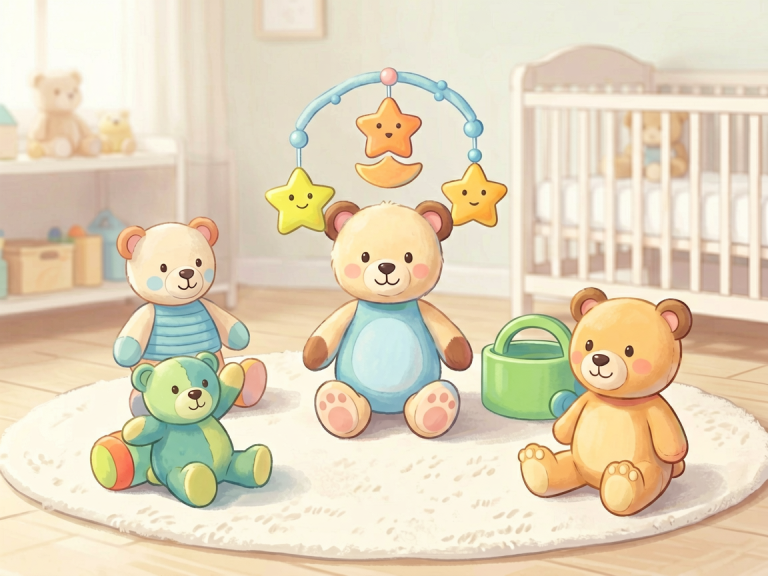
At 18 to 24 months, push-and-pull toys (like a wooden train or a wagon) encourage walking and balance. For a two-year-old, dolls, stuffed animals, or basic puzzles with large knobs build empathy and problem-solving. Always check the manufacturer’s age rating—it’s not a suggestion but a safety guideline.
1.2 Preschoolers (3–5 Years)
This is the age of make-believe, endless questions, and bursts of physical energy. The best birthday toys for a preschooler tap into their blossoming imagination and need for active play.
- Pretend play sets: Doctor kits, kitchen playsets, dress-up costumes, or tool benches. They allow children to mimic adult roles and develop social scripts.
- Ride-on toys: Tricycles, balance bikes, or roller skates with protective gear—always include a helmet when gifting wheeled toys.
- Building sets: Large wooden blocks, Duplo (oversized LEGO), or magnetic tiles. These teach spatial awareness, planning, and cooperation during group play.
- Basic board games: Memory match, Candy Land, or Snakes and Ladders (with adult supervision for counting moves).
- Caution: Avoid tiny pieces that could be swallowed—check for the “choking hazard” label if children under 3 are in the household.
1.3 Early Elementary (6–8 Years)
School-aged children crave autonomy, challenge, and social connection. Their attention spans have lengthened, and many begin to develop specific hobbies like dinosaurs, space, or art. A strategic pick for this age:
- Construction kits: LEGO sets (themed like Harry Potter, Star Wars, or Creator 3-in-1), K’NEX, or marble runs that require following instructions.
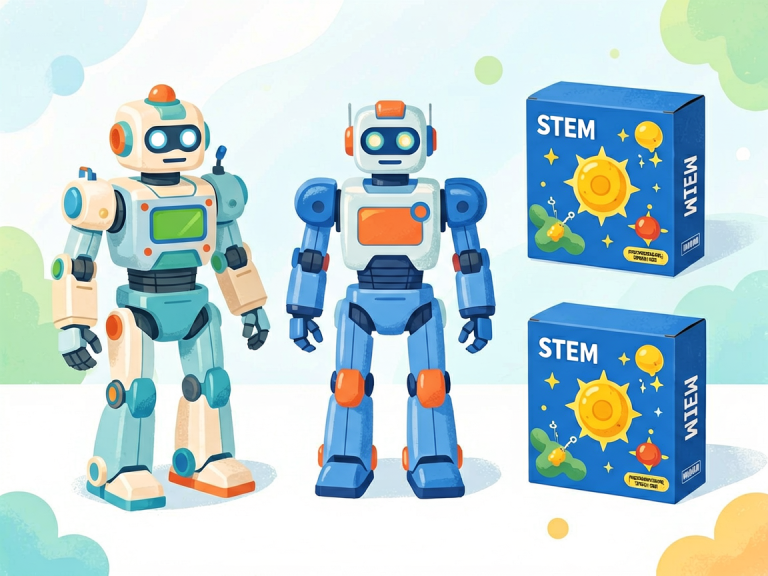
- Science and exploration: Chemistry sets (non-toxic), microscopes, bug-catching kits, or at-home volcano kits. These feed curiosity and align with STEM learning.
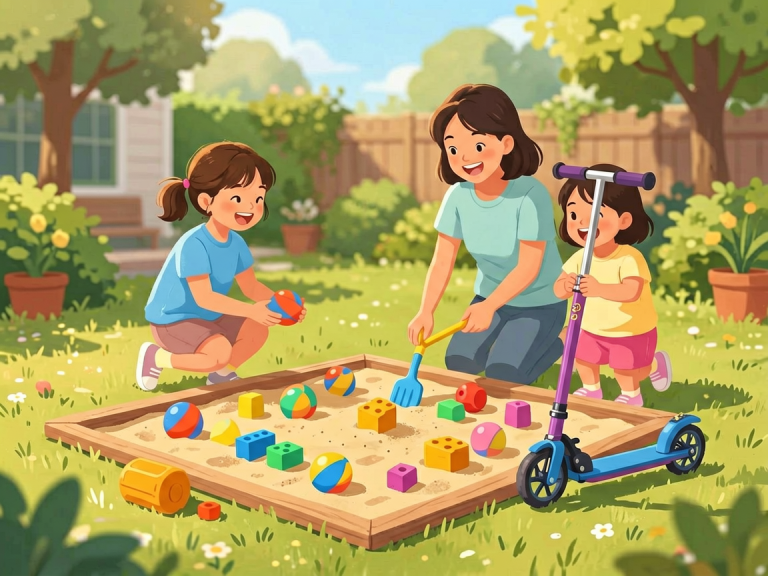
- Active outdoor toys: Jump ropes, scooters, basketball hoops, or kite kits. Physical play is essential, and many children in this age group are ready for more complex coordination.
- Creative arts: High-quality art supplies (watercolor pencils, modeling clay, or embroidery kits for fine motor skill development).
- Board games with strategy: Junior versions of chess, Settlers of Catan, or Clue introduce logic and patience.
1.4 Tweens and Pre-Teens (9–12 Years)
This is perhaps the trickiest group because tastes become highly individual and peer-influenced. When you pick birthday toys for a tween, consider:
- Tech-integrated toys: Coding robots (like Sphero or mBot), digital drawing tablets (Wacom or iPad with stylus), or beginner drones.
- Collectibles: Trading cards (Pokémon, Magic: The Gathering), blind-box figures, or hobby kits (miniature furniture for dollhouse refurbishing).
- Puzzle and escape room games: 3D wooden puzzles, mystery boxes that require solving clues, or logic puzzle books.
- Sports equipment: If they play soccer, basketball, or tennis, upgraded gear—better ball, custom water bottle, or athletic bag—shows support for their passion.
- Subscription boxes: A monthly delivery of science experiments, books, or art projects (like KiwiCo or My First Science Kit) extends the birthday joy.
- Important: Avoid giving anything that pressures them into a hobby they dislike. Instead, ask a parent about current obsessions or check their online wish list (many families create one on Amazon or Target).
Section 2: Safety First – Non-Negotiable When You Pick Birthday Toys
No matter how wonderful a toy looks in the store, safety must be your first filter. Every year, thousands of children visit emergency rooms for toy-related injuries—choking, falls, strangulation, or cuts. To protect both the child and your peace of mind:
- Inspect for small parts: A simple test: can the entire toy, or any detachable piece, fit inside a toilet paper roll? If yes, it’s a choking hazard for children under 3.
- Check for toxic materials: In the U.S., look for “ASTM” or “CPSC” labels indicating conformance with safety standards. Avoid toys with peeling paint, strong chemical odors, or loose magnets.
- Battery precautions: Removable button batteries are especially dangerous if swallowed. Choose toys with secured battery compartments (screw-fastened) and supervise young children with electronic toys.
- Ride-on toy stability: Test that tricycles or scooters have a low center of gravity and non-slip handles. Ensure helmets are properly sized.
- Avoid recalled toys: Before purchasing, visit the Consumer Product Safety Commission (CPSC) website or use apps like “Recalls” to cross-check the product’s history.
Section 3: Matching Toys to a Child’s Unique Personality and Interests
A one-size-fits-all approach rarely works. The perfect birthday toy for one child might be a bore for another, even if they are the same age. Here’s how to tailor your pick:
- Observe their play style: Does the child prefer solitary activities (building, reading, drawing) or social games (team sports, group board games)? For introverts, quiet toys like puzzles or art kits are ideal; for extroverts, multiplayer games or sports gear shine.
- Tap into current passions: A child obsessed with dinosaurs would adore a fossil dig kit, dinosaur encyclopedia, or dinosaur-shaped LEGO set—even if they are slightly above the recommended age. A child fascinated by space might love a planetarium projector or an astronaut costume.
- Consider sensory sensitivities: Some children are overly sensitive to textures, sounds, or bright lights. Avoid loud electronic toys or scratchy costumes unless you are sure the child enjoys them. A weighted stuffed animal or a fidget cube can be calming for anxious kids.
- Encourage new but gentle challenges: A toy that is too easy bores, while one too hard frustrates. The “Goldilocks zone” is about 10–15% harder than their current skill level—e.g., a 5-year-old who just mastered 12-piece puzzles might enjoy a 24-piece puzzle with a favorite character.
Section 4: Educational Value – The Hidden Bonus of a Thoughtful Toy
Parents often appreciate gifts that teach, but “educational” doesn’t have to mean dull. The best learning toys weave lessons into fun through play:
- STEM skills: Circuit kits, marble machines, and coding games teach logic, physics, and programming without the child realizing they’re “studying.”
- Literacy and language: Story cubes (dice with pictures that prompt storytelling), magnetic poetry kits, or bilingual flashcard games build communication skills.
- Social and emotional learning (SEL) : Cooperative board games (where players work together against a common goal, like “Outfoxed” or “Race to the Treasure”) teach teamwork and emotional regulation. Dolls with diverse features promote empathy and inclusion.
- Creativity and imagination: Open-ended toys—like LEGO bricks, Play-Doh sets, magnetic tiles, or art supplies—have no fixed outcome. They encourage experimentation and original thinking.
Section 5: Practical Tips for the Shopping Process
Before you click “buy” or rush to the store, consider these logistics:
- Set a budget: Birthday toys don’t need to be expensive. A $30 puzzle can be just as meaningful as a $100 tablet if it aligns with the child’s interests. In fact, too much expense can create pressure on the family.
- Read reviews from other parents: Look for mentions of durability, ease of cleaning, and if the toy maintains interest over weeks. Photos of the toy in real homes (not just stock images) can reveal size and quality.
- Think about storage and noise: A drum set or an electronic keyboard might be welcome, but check with parents first if they have space for large items or if they want a quieter option.
- Consider gifting an experience: Sometimes the best birthday “toy” isn’t a physical object. A ticket to a children’s museum, a zoo membership, or a class (swimming, art, pottery) creates memories and skill-building without cluttering the room.
- Prepare for returns: Keep the receipt and packaging just in case. Some toys require assembly, and you want to make sure everything is included.
Section 6: The Role of Parents in the Toy Selection Process
If you are not the child’s parent, don’t guess—ask. Parents know their child’s safety needs, current obsessions, and past toy failures. A quick text message (“What’s your kid into this month?”) can save you from buying a duplicate or an unwanted item. Also, respect any household rules: some families limit screens, avoid plastic, or emphasize gender-neutral toys. When you pick birthday toys in collaboration with the parent, you not only get a perfect gift but also strengthen your relationship with the family.
Conclusion
Picking birthday toys is both an art and a science. It requires empathy, observation, and a willingness to put the child’s developmental stage and personality first. By following this guide, you can move beyond generic “best-seller” lists and choose a gift that inspires laughter, learning, and lasting memories. Remember that the best toy is not necessarily the most expensive or the flashiest—it is the one that connects with the child’s inner world, invites them to explore, and says, “I see you, and I celebrate who you are.” Next time you face a birthday invitation, you’ll be equipped with the knowledge to make a choice that brings joy not only on the day of the party but for many days to come.
*(Word count: approximately 1,530 words)*