Roaring Fun: The Ultimate Guide to Toys for Toddlers Who Love Dinosaurs
Introduction: Why Dinosaurs Captivate Toddlers
There is something almost magical about the way a toddler’s eyes light up at the sight of a dinosaur. Whether it’s a plush T-Rex with oversized teeth or a plastic triceratops with a bumpy frill, dinosaurs seem to hold an inexplicable power over young children. Their enormous size, strange shapes, and the thrilling idea that these creatures once roamed the earth ignite curiosity and imagination. For parents, caregivers, and educators, choosing the right toys for toddlers who love dinosaurs is not just about satisfying a fleeting interest—it’s about nurturing early development through play. Dinosaurs offer opportunities for sensory exploration, language development, motor skill practice, and even early scientific thinking. But with so many products on the market, how do you select toys that are safe, age-appropriate, and genuinely engaging? This guide dives deep into the best categories of dinosaur toys for toddlers, offering practical advice and thoughtful recommendations for every little paleontologist-in-training.
The Importance of Age-Appropriate Dinosaur Toys
Safety First: Avoiding Choking Hazards and Toxic Materials
When shopping for toddlers—typically children aged one to three years—safety must always come first. Dinosaurs with small parts, such as detachable horns or tiny teeth, can pose serious choking risks. Always check the manufacturer’s age recommendation, and look for toys that are labeled “for ages 18 months and up” or specifically “toddler-safe.” Materials matter too: opt for BPA-free plastics, non-toxic paints, and fabrics that are free from harmful chemicals. Squeeze tests are useful: if a toy can fit entirely inside a toddler’s mouth, it’s too small. Additionally, avoid toys with sharp edges or long, thin parts that could injure delicate skin. Many reputable brands, such as Melissa & Doug, Fisher-Price, and Green Toys, prioritize safety while still delivering the dinosaur excitement toddlers crave.
Developmental Benefits at Each Stage
Toddlers develop rapidly, and their play needs change month by month. For a one-year-old just learning to grasp and chew, soft fabric dinosaurs with crinkly textures or teething rings shaped like stegosauruses are ideal. They provide sensory stimulation and soothe sore gums. Around 18 months, toddlers begin to engage in simple pretend play—a plush dinosaur can become a friend to hug or feed. By age two, fine motor skills improve, making chunky puzzles and push-pull dinosaur toys excellent choices. Three-year-olds often love construction toys like large dinosaur-themed Duplo sets or simple magnetic dinosaur figures that allow them to create stories. Matching the toy complexity to the toddler’s current skills ensures frustration-free play and maximizes learning.
Top Categories of Dinosaur Toys for Toddlers
Soft and Cuddly Plush Dinosaurs
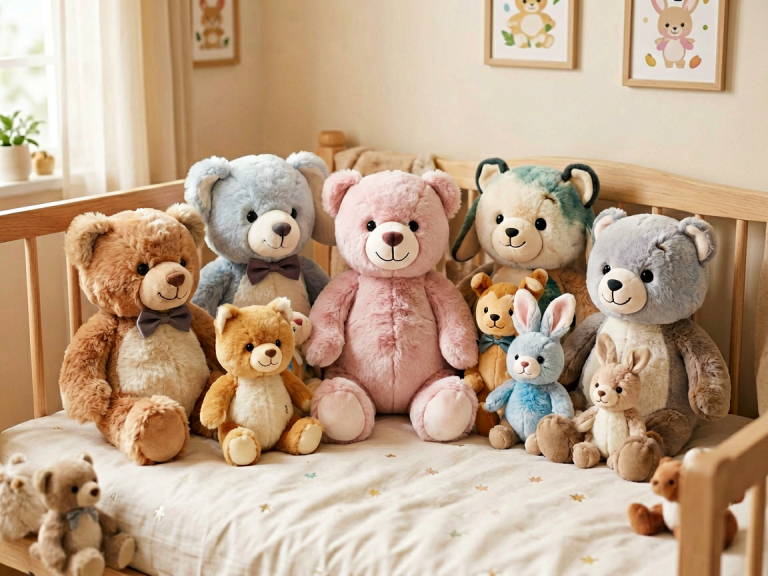
Nothing beats the comfort of a soft, huggable dinosaur. Plush toys are perfect for toddlers because they are safe, washable, and encourage emotional bonding. Look for plush dinosaurs that are machine-washable (because toddlers love to drag them through mud puddles) and have embroidered eyes rather than plastic ones that could pop off. Many brands offer dinosaurs with different textures—scaly tails, fuzzy bellies, or bumpy spines—to engage a toddler’s sense of touch. A plush Brontosaurus with a long neck can be a sleeping buddy, while a small T-Rex hand puppet can become a character in bedtime stories. The softness also makes these toys ideal for sensory play and comfort during transitions, like starting daycare or visiting the doctor.
Interactive and Musical Dinosaur Toys
Toddlers are naturally drawn to toys that make sounds, light up, or move. Interactive dinosaur toys can teach cause and effect, basic vocabulary, and even numbers. For example, a plastic dinosaur that roars when you press its back or a battery-operated T-Rex that walks and wiggles its tail can provide hours of engagement. However, parents should be mindful of volume: some electronic toys are surprisingly loud. Look for toys with adjustable volume controls or ones that emit gentle, non-startling sounds. Musical dinosaur toys—like a xylophone shaped like a pterodactyl or a drum that imitates dinosaur footsteps—combine rhythm with prehistoric fun. These toys also support auditory development and hand-eye coordination as toddlers learn to press buttons or tap surfaces.
Dinosaur Puzzles and Shape Sorters
Puzzles are fantastic for developing problem-solving skills, hand-eye coordination, and spatial awareness. For toddlers, chunky wooden puzzles with large, easy-to-grip knobs are ideal. A dinosaur puzzle might feature four or five pieces, each depicting a different dinosaur—a brontosaurus, a triceratops, a stegosaurus, and a T-Rex. The child learns to match the shape to the corresponding cutout, while also absorbing dinosaur names. Shape sorters with a dinosaur theme are equally beneficial: a bucket shaped like a volcano with holes for different geometric blocks, each painted with a dinosaur pattern, makes sorting fun. These toys encourage persistence and the concept of “trial and error,” essential cognitive skills for early childhood.
Dinosaur-Themed Building Blocks and Construction Sets
Building blocks are a staple of toddler play, and adding a dinosaur theme elevates the experience. Large, lightweight blocks (such as foam or cardboard bricks) printed with dinosaur footprints or scales allow toddlers to construct their own “dinosaur world.” For older toddlers (age 2.5 to 3), simple interlocking bricks like Mega Bloks or Duplo offer dinosaur-themed sets that include a small dinosaur figure and a few blocks to build a cave or a tree. These activities promote fine motor skills, creativity, and early engineering concepts. The open-ended nature of blocks means that the play evolves as the child grows—a two-year-old might simply stack blocks, while a three-year-old might create a story about a dinosaur escaping from a volcano.
Dinosaur Figurines for Imaginative Play
Simple, durable plastic dinosaur figurines are perhaps the most versatile toys in this category. They don’t require batteries, they stimulate the imagination, and they can be used in a variety of play scenarios—in the sandbox, in a homemade “jungle” of pillows, or during bath time. When choosing figurines for toddlers, look for ones that are about 3 to 5 inches long, with thick, rounded bodies and no detachable parts. Sets of four to six dinosaurs (like a T-Rex, triceratops, brachiosaurus, and pterodactyl) allow for naming games and simple storytelling. Parents can help toddlers learn the names by saying, “This is a stegosaurus—look at the plates on its back!” Repetition builds vocabulary. Figurines also encourage cooperative play when siblings or friends join in.
Dinosaur Books and Sensory Toys
Books are toys too, especially for toddlers who love to chew, flip, and point. Board books with dinosaur themes are robust enough to withstand rough handling. Look for books with interactive elements: flaps to lift, touch-and-feel textures (furry dinosaur skin, bumpy scales), or even sound buttons that play roars. A favorite is “How Do Dinosaurs Say Good Night?” by Jane Yolen, which blends humor with bedtime routines. Sensory toys, such as dinosaur-shaped teethers, crinkle cloth books with dinosaur tails hanging off the edges, or a dinosaur-themed activity mat with different fabrics and mirrors, provide multi-sensory stimulation. These toys are especially valuable for toddlers who are exploring the world through touch and mouth.
How to Choose the Best Dinosaur Toy for Your Toddler
Consider Your Child’s Current Interests and Skills
Every toddler is unique. Some love to emulate roaring and stomping; others prefer quiet, methodical play like stacking or sorting. Observe your child: do they imitate the sound of a dinosaur? They might enjoy a toy that makes noise. Are they fascinated by tiny details? Then a set of figurines with distinct colors and shapes will be a hit. Are they still putting everything in their mouth? Stick to soft, large, non-toxic toys. Matching the toy to the child’s temperament increases the likelihood that it will be used and loved rather than ignored.
Quality Over Quantity: Invest in Durable Toys
Toddlers are not gentle. They drop, throw, step on, and sometimes even bite their toys. Cheap plastic dinosaurs can break into sharp shards within days. Invest a little more in reputable brands that use thick, sturdy plastic or wood. Durable toys not only last longer but also reduce the risk of injury. Also, consider toys that are easy to clean—toddlers will inevitably drool on them, drop them in mud, or use them as bath toys. Dishwasher-safe or machine-washable options save parents endless frustration.
Encourage Open-Ended Play
The best toys for toddlers are those that can be used in many ways. A simple set of dinosaur figurines can be part of a counting game, a color matching exercise, a story about a dinosaur family, or even a tool for practicing gentle handling. Avoid overly prescriptive toys that only do one thing—like a toy that only plays a single tune. Open-ended toys foster creativity and can grow with the child. For example, a dinosaur-shaped sand mold can be used for sandcastles, but also for making play dough impressions, or as a mold for gelatin snacks.
Conclusion: Sparking a Lifelong Love of Learning
Choosing toys for toddlers who love dinosaurs is about much more than buying a cute stuffed animal or a plastic figure. It’s about tapping into a child’s natural wonder and using that enthusiasm as a springboard for development. Dinosaur toys can teach colors, shapes, numbers, and names; they can strengthen muscles through gripping and pushing; they can soothe anxieties through cuddles; and they can ignite a passion for science and history that lasts a lifetime. Whether you opt for a soft plush triceratops, a roaring electronic T-Rex, or a set of chunky wooden puzzle pieces, each toy offers a unique opportunity for learning and joy. The key is to balance safety, age appropriateness, and genuine fun. So go ahead—embrace the roar, stomp along with your little one, and watch as their imagination soars to prehistoric heights. After all, the best toy is one that makes a toddler’s eyes light up and their curiosity grow—and for dinosaur lovers, the possibilities are as vast as the ancient world itself.