Screen-Free Toys for Kids Who Love Dinosaurs: A Journey Back to the Prehistoric World
In an age where digital screens dominate every corner of a child’s life—from tablets and smartphones to interactive television and video games—parents are increasingly seeking ways to unplug their little ones. For children who are naturally fascinated by dinosaurs, the allure of a roaring T-Rex on a screen can be powerful. Yet there is something profoundly magical about tactile, screen-free toys that allow a child to build, imagine, and explore the prehistoric world with their own hands. This article delves into the best screen-free toys for dinosaur-loving kids, exploring why these analog alternatives are essential for development, how they spark creativity, and which types of toys will delight young paleontologists for hours on end—without a single pixel.
Why Screen-Free Matters: The Benefits of Analog Play
Before diving into specific toy recommendations, it is important to understand why screen-free play is so vital, especially for children who are naturally drawn to high-stimulation digital content. Dinosaurs themselves are a perfect subject for imaginative play because they represent a world that no longer exists, a mystery that can only be explored through curiosity, research, and creativity. Screen-free toys amplify this experience in ways that a touchscreen cannot replicate.
First, sensory engagement is drastically different. When a child holds a chunky, textured dinosaur figurine, they feel the weight, the ridges, the cold plastic or rubber. They can arrange the dinosaurs in a diorama, pose them in battle, or hide them under a blanket volcano. These physical interactions stimulate the brain’s motor cortex and sensory processing centers simultaneously, building neural connections that passive screen watching does not. Second, screen-free toys encourage open-ended play. A video game about dinosaurs might have a fixed storyline or limited interactions, but a box of dinosaur bones, a set of blocks, or a bag of clay allows a child to invent their own rules, their own narratives, and their own endings every single time. This freedom is crucial for problem-solving, language development, and emotional regulation.
Finally, screen-free toys often promote social interaction. A group of children playing with dinosaur figures together must negotiate roles, share resources, and resolve conflicts—skills that are increasingly rare in the isolated world of personal screens. For the dinosaur-loving child, the absence of a screen means the return of real-world play: digging in the backyard for "fossils," constructing miniature habitats from sticks and leaves, and staging epic dinosaur rescues with friends and siblings.
Top Screen-Free Dinosaur Toys for Every Age and Interest
The market for dinosaur toys is vast, but not all are created equal. The best screen-free toys are those that inspire enduring play, encourage exploration, and grow with the child. Below are several categories that cater to different interests—from realistic fossil excavation to creative building and storytelling.
1. Realistic Dinosaur Figurines and Playsets
For many children, the first love affair with dinosaurs begins with a toy dinosaur. But not just any dinosaur—a high-quality figurine that looks scientifically accurate (or at least convincingly fierce) can ignite a deep passion for paleontology. Brands such as Schleich, Papo, and Safari Ltd produce intricately detailed, hand-painted dinosaur figures that are both durable and educational. These figurines are not mere toys; they are tools for learning. A child can compare the size of a Stegosaurus to a Triceratops, learn the names of different species, and imagine how they moved.
Playsets that include habitats—like a volcano, cave, or jungle terrain—add another layer of immersion. Instead of watching a dinosaur cartoon on a tablet, the child constructs the landscape with plastic trees, rocks, and water features, then populates it with their figurines. The act of building the environment itself is a valuable screen-free activity that engages spatial reasoning and storytelling.
2. Fossil Excavation Kits
One of the most thrilling screen-free activities for a dinosaur enthusiast is the simulated archeological dig. Fossil excavation kits, where children chip away at a plaster block to uncover "dinosaur bones," combine the excitement of discovery with fine motor skill development. These kits come in various levels of complexity—from simple blocks containing a single plastic skeleton to advanced sets with multiple layers of fossils, tools like brushes and chisels, and even educational booklets.
The process of carefully scraping away plaster, brushing off dust, and identifying the bones requires patience, focus, and attention to detail—exactly the opposite of the instant gratification offered by a screen. Once the bones are excavated, the child can assemble them into a skeleton model, reinforcing knowledge of dinosaur anatomy. Some kits even contain glow-in-the-dark elements or allow for painting, extending the play value significantly.
3. Construction and Building Sets
Dinosaurs are massive creatures, and children love to build structures big enough to house them. Screen-free building toys like LEGO Duplo, wooden blocks, or magnetic tiles can be used to create dinosaur enclosures, museums, or even time machines. Specific building sets designed around dinosaurs, such as those from the LEGO Classic or Creator lines, include dinosaur-themed pieces and instruction booklets for building T-Rex, Pteranodon, or triceratops models.
However, the true magic happens when children go off-script. A pile of interlocking plastic bricks or wooden planks becomes the basis for an entirely new dinosaur species—one with wings, wheels, or a laser cannon. This kind of imaginative construction fosters engineering thinking, spatial awareness, and perseverance. Unlike a video game where a character jumps automatically, building a dinosaur out of blocks requires trial and error, structural reasoning, and sometimes, a bit of frustration that leads to a triumphant solution.
4. Arts and Crafts Kits for Dinosaur Lovers
For children who enjoy drawing, painting, or modeling, screen-free arts and crafts kits offer a wonderful outlet for dinosaur-themed creativity. Clay modeling kits that include detailed instructions for sculpting dinosaurs teach hand strength and three-dimensional thinking. Air-dry clay or polymer clay can be shaped into miniature dinosaur eggs, footprints, or even full figures. Once baked or dried, these creations can be painted and varnished, providing a sense of accomplishment that no digital filter can match.
Another popular option is the dinosaur-themed sticker mosaic or paint-by-number set. These activities are calming, focused, and produce a finished piece of art that the child can display proudly. For older children (ages 6 and up), there are embroidery or cross-stitch kits featuring dinosaur patterns, which combine fine motor skills with patience and design.
5. Interactive Books and Card Games
While this article focuses on toys, it is worth mentioning that screen-free does not mean text-free. Interactive books—such as those with flaps, pop-ups, or textures—are essentially toys that engage multiple senses. A dinosaur pop-up book where a T-Rex leaps off the page is a shared experience between parent and child, sparking conversations and questions. Similarly, card games and board games centered on dinosaurs provide cognitive challenges without a screen. For instance, memory matching games with dinosaur illustrations, or strategy games like "Dinosaur Escape" or "The Fossil Hunter" encourage turn-taking, planning, and math skills.
How to Choose the Right Screen-Free Dinosaur Toy for Your Child
With so many options, selecting the perfect screen-free dinosaur toy can feel overwhelming. The key is to consider your child’s age, interests, and current developmental stage. For toddlers (ages 2–4), large, chunky dinosaur figures with no small parts are ideal. They want to hold, chew, and throw—so durability and safety are paramount. Toddlers also love sensory play, so a dinosaur-themed texture book or a simple wooden puzzle with dinosaur shapes works well.
For preschoolers (ages 4–6), the focus shifts to imaginative play and basic learning. Look for figurines with clear anatomical features, simple excavation kits with large plaster blocks, and building sets with large pieces. At this age, children begin to understand cause and effect, so toys that allow them to "hatch" dinosaur eggs (like water-activated growing eggs) or "freeze" dinosaurs in ice for a rescue mission are hugely engaging.
School-aged children (ages 6–10) crave realism and complexity. High-quality figurines with accurate details, advanced fossil kits that require more skill, and complex building sets (like LEGO Technic or wooden 3D puzzles) are appropriate. They may also enjoy science kits that teach about fossils, casts, or dinosaur digestion. At this stage, the screen-free toy becomes a gateway to deeper learning—sparking research into the Jurassic period, creating dioramas for school projects, or writing stories about their dinosaur adventures.
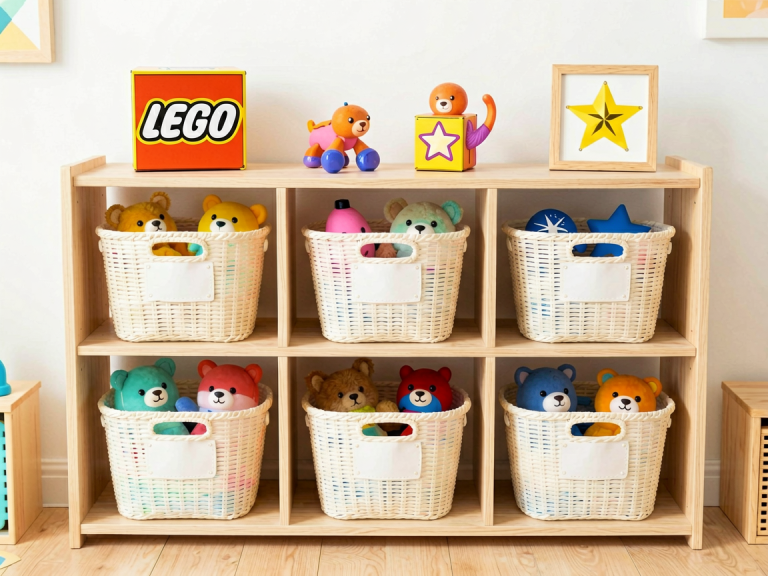
A final consideration is the child’s play style. Does your child prefer solitary play, or do they enjoy cooperative games? A large dinosaur playset with multiple figures is great for collaborative storytelling, while a solo excavation kit is perfect for independent focus. Also, think about storage: dinosaur figures have a habit of multiplying, so a dedicated bin or shelf can turn the mess into a museum display.
Beyond Toys: Creating a Screen-Free Dinosaur Environment
Toys are just one part of the equation. To truly nurture a child’s love for dinosaurs without screens, parents can create an environment that encourages hands-on exploration. Setting up a designated "dig site" in the backyard—a sandbox with buried plastic bones—can provide hours of outdoor play. Indoor activities like making dinosaur footprints in homemade playdough, designing a dinosaur habitat in a shoebox, or even baking dinosaur-shaped cookies combine fine motor skills with sensory experiences.
Reading aloud from non-digital dinosaur encyclopedias or storybooks reinforces the learning. Trips to natural history museums, where children can see real fossil skeletons, are irreplaceable. And when the weather is bad, a simple cardboard box can become a time machine, a dinosaur egg, or a cave. The point is not to avoid technology entirely, but to prioritize screen-free moments as the core of the dinosaur obsession.
The Lasting Value of Analog Play
In a world that constantly pulls children toward glowing rectangles, screen-free toys for dinosaur lovers are not a nostalgic indulgence—they are a necessity. These toys ground children in reality even as they spark flights of imagination. A child who builds a dinosaur skeleton out of clay, digs a fossil from a plaster block, or constructs a habitat from twigs and blocks is learning skills that no app can teach: patience, creativity, problem-solving, and the joy of tangible accomplishment.
The dinosaur-loving child is already a curious explorer, hungry for knowledge about creatures that roamed the Earth millions of years ago. By providing screen-free toys that feed that curiosity, we give them the tools to build, discover, and dream—with their hands, their minds, and their hearts. And in that dream, the dinosaurs are always roaring, always real, and always waiting for the next great adventure.