The Ultimate Building Toys Buying Guide: How to Choose the Perfect Set for Every Age and Skill Level
Introduction
Building toys have been a cornerstone of childhood play for generations. From classic wooden blocks to high-tech programmable bricks, these toys do more than just entertain—they foster creativity, enhance spatial awareness, improve fine motor skills, and introduce foundational concepts in engineering and mathematics. However, with the overwhelming variety of options available today—ranging from LEGO and Mega Bloks to magnetic tiles, marble runs, and 3D puzzle structures—choosing the right set can be daunting for parents, educators, and gift-givers alike. This comprehensive buying guide will walk you through every critical factor: age appropriateness, material safety, educational benefits, budget considerations, and the unique features of different building toy categories. By the end, you will be equipped to select a set that not only captivates a child’s imagination but also supports their developmental journey for years to come.
Age Considerations: Matching Complexity to Developmental Stages
The most important starting point in any building toy purchase is the child’s age. Manufacturers design sets with specific age ranges for good reason—too simple and the child loses interest; too complex and frustration sets in.
For Toddlers (Ages 1–3)
At this stage, children are exploring cause and effect, fine motor coordination, and sensory input. Look for large, lightweight blocks that are easy to grasp and cannot be swallowed. Soft foam blocks, chunky wooden bricks, and oversized plastic interlocking shapes are ideal. Avoid small parts and sharp edges. Brands like Mega Bloks First Builders and Melissa & Doug’s jumbo wooden blocks offer safe, colorful options. These sets typically have no instruction manual, encouraging free-form stacking and knocking down, which is precisely what toddlers need.
For Preschoolers (Ages 3–5)
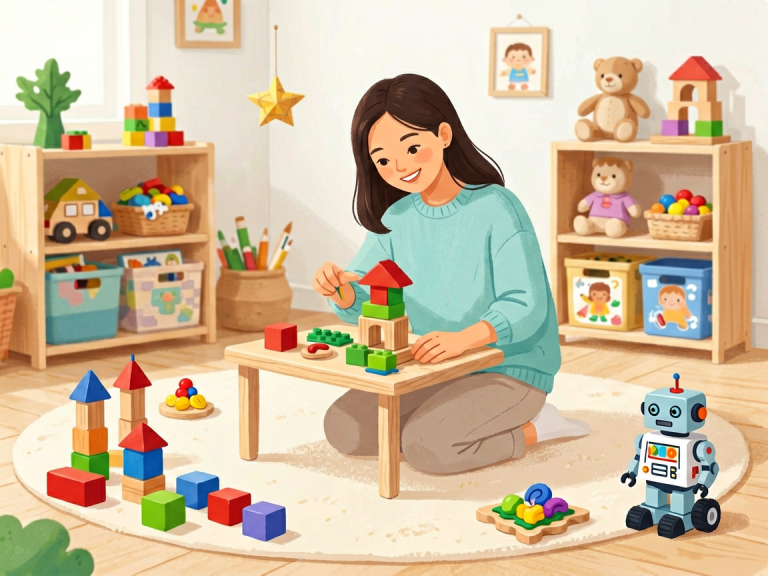
Preschoolers begin to understand patterns, symmetry, and simple storytelling. They can follow basic picture instructions and enjoy replicating familiar objects like houses, cars, and animals. This is the perfect age for Duplo (LEGO’s larger brick line) or magnetic tile sets such as Magna-Tiles or PicassoTiles. These toys allow for both structured builds and open-ended creativity. The pieces are still large enough to be safe but introduce more connection types, such as magnets or simple snap-fit mechanisms.
For Early Elementary (Ages 5–7)
Children in this age group develop better hand strength and problem-solving abilities. They can follow multi-step instructions and start to build more intricate structures. Standard LEGO Classic sets, K’NEX, and wooden marble runs become excellent choices. Look for sets that offer a mix of specialty pieces (wheels, hinges, windows) that allow for moving parts. At this stage, kids also enjoy building according to themes—such as castles, space stations, or farm scenes—which can reinforce imaginative play.
For Tweens and Teens (Ages 8+)
Older children and teenagers are ready for complex sets that require patience, advanced logic, and sometimes even programming. LEGO Technic, with its gears, axles, and motors, introduces mechanical principles. For those interested in electronics, robotics kits like LEGO Mindstorms, Sphero BOLT, or Snap Circuits combine building with coding. Additionally, adult-oriented building toys such as wooden 3D puzzles (e.g., from Ugears or Robotime) or metal model kits (like Meccano) offer a satisfying challenge for teens who enjoy hands-on engineering.
Material and Safety: What Every Buyer Should Check
Safety is non-negotiable, especially for younger children. The material of the building toy affects not only its durability but also its potential hazards.
Plastic-Based Toys
Most popular building toys (LEGO, Mega Bloks, K’NEX) are made from ABS plastic, which is sturdy, non-toxic, and free from BPA and phthalates if produced by reputable brands. Always verify that the product meets ASTM (American Society for Testing and Materials) or EN71 (European safety standard) certifications. Avoid cheap, unbranded knock-offs that may contain lead or have sharp edges.
Wooden Building Toys
Wooden blocks are classic, eco-friendly, and have a pleasing tactile quality. Look for sets made from sustainably sourced wood (e.g., beech or rubberwood) with non-toxic, water-based paints. Brands like Grimm’s, Hape, and Lovevery prioritize safety and smooth finishes. Wooden toys do not have sharp corners, but they can splinter if poorly made, so inspect the surface before giving to a child.
Magnetic Building Toys
Magnetic tiles (like Magna-Tiles, Connetix, and Playmags) are hugely popular because of their satisfying “click” and transparent colors. Safety concerns center on the magnets themselves. High-quality tiles use strong, encapsulated magnets that cannot be easily dislodged. Ensure the plastic casing is double-sealed and that there are no small magnets that could be swallowed. Always check age recommendations—most magnetic sets are for ages 3+.
Foam and Soft Blocks
For infants and toddlers, soft blocks made from EVA foam or fabric are safest. They are lightweight, washable, and pose no risk of injury if thrown or dropped. However, foam can degrade over time, so replace sets that show signs of crumbling.
Educational Value: Beyond Just Fun
While play is the primary goal, building toys offer a wealth of learning opportunities. When selecting a set, consider what cognitive skills you want to nurture.
STEM and Engineering Concepts
Sets that include gears, pulleys, levers, and bridges (like K’NEX or LEGO Technic) directly teach mechanical physics. Marble runs introduce gravity, speed, and trajectory. For younger children, simply stacking blocks teaches balance, weight distribution, and cause-and-effect. If you want to emphasize STEM learning, look for sets labeled “STEM” or “STEAM” (adding art), which are designed with educational objectives in mind.
Creativity and Open-Ended Play
Not all building toys need a predefined goal. Open-ended sets, such as plain wooden blocks, LEGO Classic buckets, or magnetic tiles, allow children to build whatever they imagine. These are arguably more valuable than licensed theme sets (e.g., Star Wars or Harry Potter LEGO) because they do not limit the child to one script. However, themed sets can ignite passion for a specific topic, so a balance is healthy.
Fine Motor Skills and Hand-Eye Coordination
The physical act of aligning, connecting, and pressing pieces together strengthens small hand muscles. For children with developmental delays or those who need extra practice, choose sets with larger, easier-to-connect pieces initially, then gradually introduce smaller bricks as dexterity improves.
Types of Building Toys: A Quick Overview
Understanding the different categories will help you narrow down your search.
- Interlocking Bricks (LEGO, Mega Bloks, Cobi) – The most common type. Versatile, widely available, and often compatible across brands. Perfect for structured or free play.
- Magnetic Tiles (Magna-Tiles, Connetix) – Flat tiles with embedded magnets that snap together. Excellent for 2D and 3D geometric shapes. Great for collaborative play.
- Construction Kits (K’NEX, Erector Set, Meccano) – Use beams, rods, and connectors to build working models (cars, Ferris wheels). More challenging, ideal for ages 7+.
- Wooden Block Systems (Unit blocks, Kapla, Grimm’s) – Simple, timeless, and beautiful. Kapla planks, for example, are identical wooden planks that can be balanced in incredible structures without glue or connectors.
- Marble Runs (Hape, GraviTrax, Q-BA-Maze) – Tracks and tubes for rolling marbles. Teach cause and effect, trajectory, and patience.
- Foam and Soft Blocks – Best for babies and toddlers. Safe, squishy, and easy to clean.
Budget Tips: How to Get the Most for Your Money
Building toys can be surprisingly expensive, especially branded ones like LEGO. Here are strategies to maximize value without sacrificing quality.
Start with a Large Classic Set
Instead of buying multiple small themed sets, invest in a large “classic” box of bricks or tiles. These offer hundreds of pieces and endless possibilities. For example, LEGO Classic boxes (available in different piece counts) are far cheaper per piece than specialized theme sets.
Consider Generic Interchangeable Brands
While LEGO is the gold standard, many off-brands offer compatible bricks at a fraction of the cost. Brands such as Lepin (though controversial) or Cobi produce high-quality bricks that fit LEGO. However, check reviews carefully for quality control. Magnetic tiles from brands like Playmags or Lovevery are often nearly identical to Magna-Tiles but cost 30–50% less.
Look for Second-Hand Options
Thrift stores, Facebook Marketplace, and eBay are treasure troves for building toys. LEGO especially holds its value, and used sets can be disassembled and sanitized easily. Many families sell large collections when their children outgrow them. Just ensure all pieces are present or that the set is sold “as-is” for creative building.
Buy Starter Kits and Expand Later
Most building toy lines offer expansion packs. Purchase a modest starter set first to gauge interest, then add specialty packs (wheels, gears, figures) later. This avoids a large upfront investment in something the child may not enjoy.
Where to Buy: Online vs. In-Store
Both options have pros and cons. Online retailers like Amazon, Target, and specialty stores (like Fat Brain Toys or Lakeshore Learning) offer huge selections, customer reviews, and frequent sales. However, you cannot physically inspect the pieces. In-store purchases at toy stores or department allow you to feel the material, check weight, and see colors accurately. Whenever possible, read customer reviews (especially from verified purchasers) to understand durability and potential issues like magnets popping out or bricks not fitting tightly.
Final Thoughts: Choosing with Confidence
A good building toy is an investment in a child’s cognitive and creative development. It should be age-appropriate, safe, and aligned with the child’s current interests—whether that is constructing towering castles, building working vehicles, or designing abstract sculptures. Do not be afraid to start simple: a basic set of magnetic tiles or wooden blocks can provide years of play. As the child grows, you can introduce more complex systems that challenge their problem-solving and persistence. Remember that the best building toy is the one that gets used regularly, not the one with the flashiest box. By following the criteria in this guide—age, material, educational value, type, and budget—you will find a set that sparks joy, curiosity, and countless hours of hands-on learning. Happy building