The Ultimate Guide to the Best Educational Gifts for 2-Year-Olds
Choosing the perfect gift for a two-year-old can be both exciting and overwhelming. At this age, children are rapidly developing their motor skills, language abilities, social awareness, and cognitive understanding of the world around them. They begin to assert independence, imitate adult behaviors, and explore cause and effect with boundless curiosity. An educational gift is not just a toy—it is a tool that nurtures these natural developmental leaps while keeping play fun and engaging. In this guide, I will walk you through the most effective and thoughtfully designed educational gifts for two-year-olds, each chosen to support specific areas of growth. Whether you are a parent, grandparent, or friend, these recommendations will help you give a gift that truly makes a difference.
Building Blocks and Construction Sets: Foundations of Spatial Reasoning
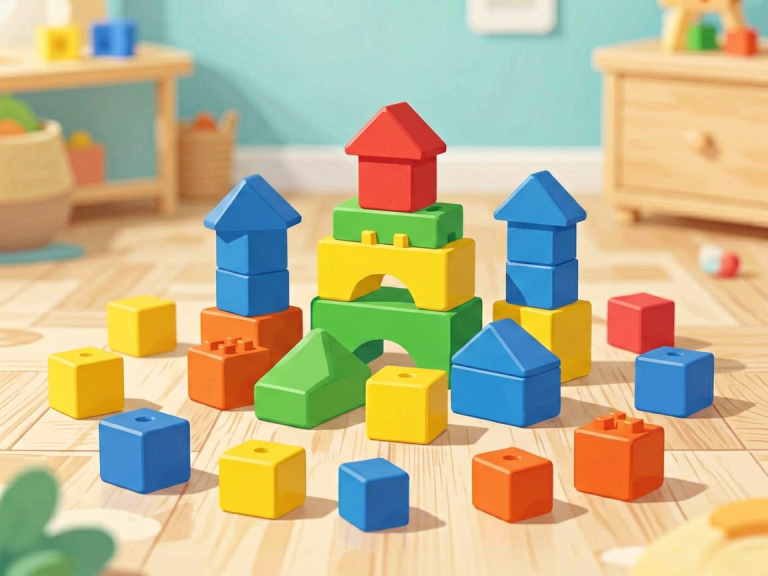
One of the most timeless and versatile educational gifts for a two-year-old is a set of large, safe building blocks. At this age, children are beginning to understand concepts like balance, stacking, and gravity. High-quality wooden or soft foam blocks allow them to experiment with height, symmetry, and geometry without frustration. For example, a set of brightly colored, oversized cardboard bricks can be stacked into towers and knocked down, teaching cause and effect in a joyful way. More sophisticated sets like interlocking plastic blocks with rounded edges—such as Duplo or Mega Bloks—offer the added benefit of fine motor practice as children learn to push and pull pieces together. When selecting blocks, look for pieces that are large enough to prevent choking hazards and lightweight enough for small hands to manipulate. Beyond physical skills, block play also encourages problem-solving and creativity: a child might build a “house” for their stuffed animal, which involves planning, persistence, and a sense of achievement. These moments of open-ended play are invaluable for cognitive development and self-esteem.
Puzzles and Shape Sorters: Sharpening Problem-Solving Skills
Puzzles are another classic educational gift that evolves with a child’s abilities. For two-year-olds, the best puzzles are those with large, chunky pieces and familiar images—animals, vehicles, or household objects. Wooden peg puzzles with easy-to-grasp knobs help strengthen the pincer grip, which is essential for later writing skills. As children attempt to fit each piece into its correct slot, they practice hand-eye coordination, pattern recognition, and memory. Shape sorters take this a step further by requiring children to match a three-dimensional shape to a corresponding hole. This activity challenges their spatial understanding and encourages trial-and-error learning. A particularly effective gift is a combination shape sorter and puzzle, such as a wooden box with multiple geometric holes and colorful blocks. When a two-year-old successfully inserts the square block into the square hole, they experience a small victory that builds confidence and persistence. Over time, they graduate from simply sorting to naming the shapes and colors, which lays the groundwork for early math and language skills. The beauty of these toys is that they are self-correcting: if a child places a triangle in the circle hole, it simply won’t fit, gently guiding them to try again without adult intervention.
Musical Instruments: Fostering Auditory and Rhythmic Development
Music is a powerful medium for learning at any age, but for two-year-olds, it can be especially transformative. Simple musical instruments designed for small hands—such as maracas, tambourines, xylophones, and drums—invite children to explore sound, rhythm, and tempo. When a child shakes a maraca, they are learning about cause and effect (shaking produces sound) and discovering the difference between loud and soft. A child-sized xylophone with a mallet encourages precise hand-eye coordination as they aim to strike each colored bar. Additionally, musical play supports language development: singing along to songs and repeating rhythms helps children recognize patterns in speech and improve auditory discrimination. Many music sets also come with activity cards or simple songbooks that encourage parents and children to sing together, strengthening social bonds and emotional regulation. For a truly engaging experience, consider a set that includes a variety of instruments in different materials, such as wooden claves, a jingle bell stick, and a small rainstick. The diversity of sounds captivates a two-year-old’s attention and provides endless opportunities for creative expression. Beyond the immediate fun, early exposure to music has been linked to enhanced mathematical and reading skills later in life.
Interactive Books and Storytelling Kits: Cultivating Language and Imagination
At two years old, children are language sponges—they absorb new words daily and begin to string together simple sentences. One of the best educational gifts you can give is a collection of interactive board books. Look for books with textures to touch, flaps to lift, and bright, high-contrast illustrations. Books that incorporate simple rhymes, repetitive phrases, or animal sounds are particularly effective because they invite participation. For example, a lift-the-flap book about farm animals allows a child to guess what is hiding behind the barn door, which builds anticipation and memory. Another excellent option is a set of story cards or felt board storytelling kits. A felt board with cut-out animals, people, and objects lets children create their own narratives, thereby developing sequencing skills and imagination. Even a simple set of sturdy, waterproof bath books can turn bath time into a language-rich experience. When reading together, parents can point to images and name objects, ask questions, and make silly sounds—all of which expand a two-year-old’s vocabulary and comprehension. The social aspect of shared reading also fosters a love for stories and learning, creating a positive association with books that can last a lifetime.
Art Supplies and Sensory Play Kits: Encouraging Creativity and Fine Motor Control
Two-year-olds are natural artists—they love to scribble, smear, and create messes. Fortunately, there are many educational art supplies designed specifically for this age group that support fine motor development and sensory exploration. Washable, non-toxic finger paints in primary colors allow children to experience different textures and mix colors, introducing basic concepts of art and science. Chunky crayons that are easy to grip help strengthen the muscles needed for later handwriting. Play-dough is another superb educational gift: when children roll, squeeze, and flatten dough, they are developing hand strength and coordination. Look for play-dough sets that include simple tools like rolling pins, cookie cutters, and plastic knives, which add a dimension of pretend play (e.g., “I’m making cookies for Daddy”). For a more targeted sensory experience, consider a “sensory bin” kit filled with materials like colored rice, kinetic sand, or water beads, along with scoops, cups, and small animal figurines. Sensory play is not only calming and engaging but also helps children process tactile stimuli, which is crucial for neural development. The open-ended nature of these activities means that a two-year-old can spend 20 minutes or an hour exploring, experimenting, and learning—all while having fun. Just remember to choose materials that are non-toxic and supervise play to ensure safety.
Ride-On Toys and Push-Pull Playsets: Building Gross Motor Skills
Physical activity is just as important as cognitive stimulation for two-year-olds. Educational gifts that encourage movement—such as ride-on toys, push carts, and pull-along animals—help develop balance, coordination, and muscle strength. A sturdy, low-to-the-ground ride-on car or tricycle with no pedals (often called a “balance bike” or “foot-to-floor” vehicle) allows a child to propel themselves using their feet, building leg strength and spatial awareness. Push carts that can be filled with blocks or stuffed toys give toddlers a purpose for walking, encouraging them to take those first unsteady steps with more confidence. Pull-along toys, like a wooden duck that waddles when pulled, teach cause and effect and provide a fun incentive for walking. Another excellent option is a set of soft foam play mats with numbers, letters, or road patterns that can be arranged into a play area. These mats transform floor time into an active learning environment where children can crawl, jump, and roll while being exposed to early literacy and numeracy concepts. When selecting gross motor gifts, safety is paramount: ensure there are no sharp edges, the toy is stable, and it is appropriate for the child’s current mobility level. The joy a two-year-old feels when they zoom across the living room on their own little vehicle is immeasurable—and the developmental benefits are equally profound.
Conclusion: Choosing Gifts That Grow with the Child
The best educational gifts for two-year-olds are those that respect their natural curiosity, invite active participation, and support multiple areas of development simultaneously. Whether you choose building blocks, puzzles, musical instruments, books, art supplies, or ride-on toys, the key is to look for open-ended, durable items that can be used in various ways as the child grows. A simple set of blocks can later become a prop for counting games; a shape sorter might be repurposed for color sorting. The most valuable gifts are those that encourage parent-child interaction, because the learning that happens through conversation, encouragement, and shared joy is irreplaceable. As you wrap up that present, remember that you are not just giving a toy—you are giving an opportunity for discovery, a spark for imagination, and a foundation for lifelong learning. Happy gifting!