Top Mistakes to Avoid When Choosing Outdoor Toys for Children
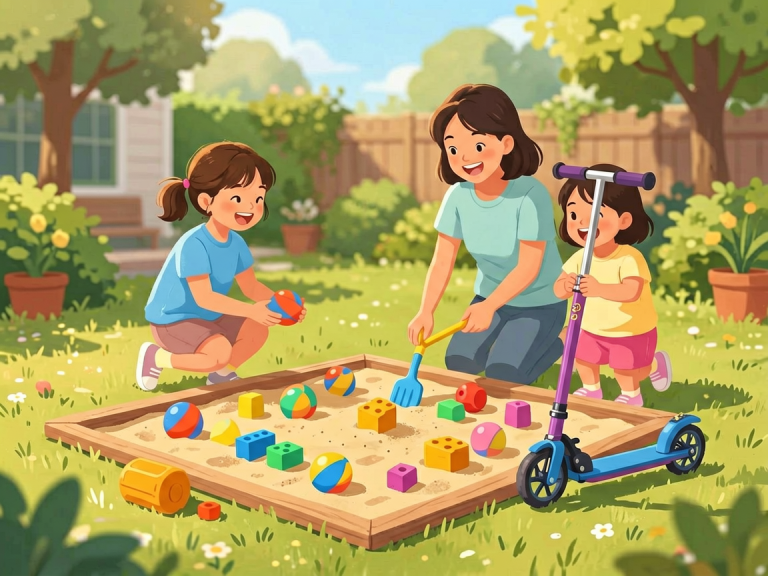
Choosing outdoor toys for children is an exciting yet challenging task. The right toys can encourage physical activity, creativity, social interaction, and a deeper connection with nature. However, many parents, caregivers, and gift-givers fall into common traps that lead to disappointment, wasted money, or even safety hazards. In this comprehensive guide, we will explore the most critical mistakes to avoid when selecting outdoor toys, helping you make informed decisions that bring joy, safety, and developmental benefits to your child.
Mistake 1: Ignoring Age Appropriateness
One of the most frequent errors is purchasing outdoor toys that do not match the child’s age, developmental stage, or physical abilities. A toy designed for a six-year-old may be too complex or dangerous for a three-year-old, while a simple toddler toy might bore an older child.
Why this mistake happens: Marketing images often show children of various ages playing together, creating the illusion that a toy is universally suitable. Additionally, parents may overestimate their child’s abilities or want to “grow into” a toy.
How to avoid it: Always check the manufacturer’s recommended age range on the packaging or website. Pay attention not only to the lower age limit but also the upper limit. For example, a tricycle for ages 2–4 will be too small and unstable for a five-year-old. Beyond age labels, consider your child’s individual motor skills, coordination, and attention span. A toy that requires complex assembly or fine motor movements (like small climbing holds) may frustrate a younger child. Conversely, a toy that is too simple may fail to engage an older child, leading to misuse or boredom.
Practical tip: Look for toys that offer adjustable features, such as a swing with adjustable seat height or a climbing structure with removable components. These can adapt as your child grows, extending the toy’s useful life.
Mistake 2: Overlooking Safety Standards and Certifications
Safety should be the top priority when selecting outdoor toys, yet many buyers neglect to verify that the product meets recognized safety standards. Outdoor toys are exposed to sun, rain, and rough play, which can accelerate wear and tear. A toy that seems sturdy at first may develop sharp edges, loose parts, or toxic materials over time.
Why this mistake happens: Consumers often assume that any toy sold in reputable stores is safe, but not all countries have equally strict regulations. Moreover, attractive designs and low prices can distract from critical safety features.
How to avoid it: Look for certifications such as ASTM (American Society for Testing and Materials), EN71 (European standard), or CPSC (Consumer Product Safety Commission) compliance. For outdoor toys, also check for UV resistance, non-toxic paints, and lead-free materials. Inspect the toy for pinch points, exposed screws, and sharp edges. For climbing structures or swings, ensure the toy has stable bases, secure anchors, and rounded edges. Always read customer reviews that mention safety issues, and avoid toys with a history of recalls.
Practical tip: If the toy requires assembly, follow the instructions precisely and check all bolts and connections regularly. For wooden toys, ensure they are treated with weather-resistant, child-safe sealants to prevent splintering.
Mistake 3: Choosing Based Solely on Price
It is tempting to opt for the cheapest outdoor toy, especially when budgets are tight. However, low price often means low quality—flimsy materials, poor craftsmanship, and inadequate safety features. Conversely, the most expensive toy is not always the best either. Many parents fall into the trap of equating high cost with superior value.
Why this mistake happens: Bargain hunting is a natural instinct, and many online deals seem too good to pass up. On the other hand, premium brands may overcharge for trendy designs or celebrity endorsements without delivering proportional durability.
How to avoid it: Evaluate the toy’s material, construction, and warranty. Plastic toys should be made of high-density polyethylene (HDPE) or polypropylene, which resist cracking and fading. Metal toys should be rust-resistant (e.g., galvanized steel or powder-coated aluminum). Wooden toys should be hardwood (like cedar or teak) rather than softwood (like pine) that warps easily. Compare prices across different brands for similar features, but never sacrifice safety for savings. A moderate price that reflects good quality is often the best value.
Practical tip: Set a realistic budget and then prioritize features: safety, durability, and versatility over aesthetics. Consider buying used toys from reputable sources, but inspect them thoroughly for damage or missing parts.
Mistake 4: Disregarding the Child’s Interests and Skill Level
A common oversight is purchasing toys based on what the adult thinks is fun or nostalgic, rather than what the child actually enjoys. A child who loves solitary activities like drawing may feel overwhelmed by a large team sports set, while an adventurous child may quickly get bored with a stationary sandbox.
Why this mistake happens: Adults often project their own childhood memories onto their children, forgetting that each child has unique preferences. Additionally, marketing can create pressure to buy “educational” or “trendy” toys, even if the child shows no interest.
How to avoid it: Observe your child’s natural play habits. Do they prefer running, climbing, digging, or group games? Talk to them about what they would like, even if they are very young. Show them pictures or videos of different outdoor toys and gauge their reactions. For older children, involve them in the decision-making process. Also, consider their skill level: a beginner basketball hoop at a lower height encourages success, while a regulation-height hoop may frustrate a novice.
Practical tip: Start with a versatile toy that can be used in multiple ways, such as a simple ball, a set of cones for obstacle courses, or a sand and water table. These allow children to invent their own games, adapting to their evolving interests.
Mistake 5: Buying Too Many Toys (or Too Few)
Striking the right balance in the number of outdoor toys is tricky. Some caregivers buy an overwhelming quantity, leading to clutter, disorganization, and reduced engagement. Others buy too few, leaving children with limited variety and causing boredom.
Why this mistake happens: Enthusiasm for providing “the best” childhood leads to over-purchasing, especially during sales. On the flip side, minimalism or budget constraints can result in under-supplying, which may hinder a child’s exploration of different types of play.
How to avoid it: Aim for a curated collection of 5–10 outdoor toys that cover a range of activities: active play (e.g., balls, frisbees, jump ropes), creative play (e.g., sidewalk chalk, bubble machines), structural play (e.g., small climbing frame, slide), and exploratory play (e.g., bug-catching kit, gardening tools). Rotate toys seasonally or monthly to keep them fresh. Avoid buying duplicates of similar items. Stored-out-of-sight toys can be brought back later to reignite interest.
Practical tip: Before buying, assess your available outdoor space. A small balcony cannot accommodate a full-sized trampoline, and a large yard might need more toys to fill the area. Also, consider storage solutions—bins, shelves, or hooks—to keep toys organized and safe from weather damage.
Mistake 6: Neglecting Weather and Storage Considerations
Outdoor toys are exposed to the elements—sun, rain, snow, wind, and dust. Many parents fail to consider how those conditions affect the toy’s lifespan and the child’s comfort. A toy that cannot withstand constant sunlight may fade, crack, or become brittle. Similarly, toys left in damp areas can develop mold or rust.
Why this mistake happens: Buyers often focus on the toy’s features during the purchase but ignore long-term maintenance. They may also assume that all outdoor toys are weatherproof by default.
How to avoid it: When selecting, look for toys labeled “UV-resistant” or “weather-resistant.” Plastic toys should have UV stabilizers to prevent degradation. Metal parts should be coated or stainless steel. For toys that cannot be left outside (like electronic ride-ons), ensure you have dry storage space. Also, consider the climate: in hot regions, avoid dark-colored plastics that absorb heat; in rainy areas, choose toys with drainage holes (e.g., sandboxes with covers).
Practical tip: Always buy or build a designated storage area for outdoor toys—a deck box, a shed, or a covered bench. Teach children to put toys away after use. For large items like swing sets, use covers during off-seasons to protect them from snow and debris.
Mistake 7: Forgetting to Check for Durability and Material Quality
Outdoor toys endure rough handling, repeated use, and harsh environmental conditions. A toy that looks great in the box may break within weeks if it is made of low-quality materials. This is especially common with inflatable toys, cheap plastic water slides, and thin metal frames.
Why this mistake happens: Visual appeal often outweighs practical considerations. Glossy pictures and colorful packaging can mask thin walls or weak joints. Online reviews may be manipulated or scarce for new products.
How to avoid it: Before purchasing, read independent reviews on consumer advocacy sites. Look for comments about breakage after a few uses. For large toys, check the weight capacity and ask about warranty. For example, a swing set should have a sturdy A-frame with cross-bracing. Inflatable toys should have double-stitched seams and puncture-resistant material. Wooden toys should be smooth-sanded and free of knots. When possible, visit a store to feel the toy’s sturdiness in person.
Practical tip: Consider the toy’s assembly process. Toys that require extensive assembly with many small parts are more likely to have weak points. Avoid toys with glued joints; look for bolted or welded connections. A longer warranty (e.g., 1–2 years) often signals greater manufacturer confidence.
Mistake 8: Not Considering Space Constraints
Finally, many purchases are made without measuring the available outdoor area. A huge climbing structure may look fantastic in a catalog but could turn a small yard into an obstacle course. Conversely, a tiny toy may be lost in a large open space, limiting its use.
Why this mistake happens: People underestimate how much clearance a toy needs for safe play. For example, a swing requires a clear zone in front and behind, and a trampoline needs overhead clearance (away from trees and power lines). They also forget about permanent fixtures like fences, gardens, or water features.
How to avoid it: Measure your yard or balcony before shopping. Note the dimensions of the area where the toy will be placed, including height if the toy is tall. Leave at least 2–3 feet of clearance around all sides for safety. For active toys, consider the fall zone: the area where a child might fall from a play structure should have soft ground (grass, sand, or rubber mulch). Also, think about the toy’s footprint when disassembled for storage. For small spaces, choose collapsible or foldable toys like pop-up tunnels, foldable scooters, or portable soccer goals.
Practical tip: Use painter’s tape or string to outline the toy’s intended location on the ground. This gives a real-life sense of how much space it will occupy. Also, consider the sun exposure: placing a plastic slide in direct sunlight can make it too hot to use in summer.
Conclusion
Selecting the perfect outdoor toy involves more than just picking something colorful and fun. By avoiding these common mistakes—ignoring age appropriateness, neglecting safety, chasing price over quality, disregarding the child’s interests, over-buying or under-buying, forgetting weather durability, and failing to measure space—you can ensure that your investment brings years of safe, joyful, and developmentally rich play. Remember that the best outdoor toy is one that fits your child, your yard, your budget, and your lifestyle. Take your time, research thoroughly, and above all, imagine the laughter and memories that toy will create. After all, the greatest mistake of all is to let fear of making a wrong choice prevent you from giving your child the gift of outdoor adventure. Happy choosing!