Unearthing Knowledge: The Ultimate Guide to Educational Gifts for Dinosaur-Loving Kids
Every parent, grandparent, or family friend knows the magic that lights up a child’s eyes when they talk about dinosaurs. The fascination is universal—these magnificent creatures, extinct for millions of years, still have the power to spark curiosity, wonder, and a deep desire to learn. For a child who already knows the difference between a T. rex and a Triceratops, simply giving them another dinosaur toy may not be enough. What they truly crave is discovery, understanding, and the chance to feel like a real paleontologist. The best gifts for these young enthusiasts are those that combine their passion with genuine educational value—turning playtime into an expedition of knowledge. This guide explores a wide range of educational gifts that will entertain, challenge, and inspire kids who love dinosaurs, from preschool explorers to budding junior scientists.
The Power of Paleontology: Fossil Kits and Excavation Sets
Nothing captures the spirit of dinosaur discovery quite like unearthing a real or simulated fossil. Excavation kits are the gold standard for hands-on science learning. These kits typically include a plaster or clay block containing replica dinosaur bones, teeth, or even fossilized dung, along with tools like small hammers, chisels, and brushes. As the child carefully chips away at the material, they develop fine motor skills, patience, and a respect for the meticulous work that real paleontologists do. Some high-quality kits, such as those from National Geographic or Thames & Kosmos, provide genuine fossils like shark teeth or ammonites alongside dinosaur replicas, teaching kids how to identify different types of preserved remains. For older children (ages 8 and up), consider a full dinosaur skeleton excavation set that allows them to assemble a complete model after digging. This process reinforces anatomy, bone structure, and scientific reasoning. The educational bonus? Many kits come with illustrated guides explaining the dinosaur’s habitat, diet, and era, transforming a simple dig into a mini-lesson in geology and biology.
Books That Roar: From Picture Books to Encyclopedias
A well-chosen book can be a lifelong companion, especially for a dinosaur lover. For younger children (ages 3–6), look for interactive picture books with sturdy flaps, textured dinosaur “skin,” or sound buttons that reproduce roars and stomps. Titles like *How Do Dinosaurs Say Good Night?* by Jane Yolen combine emotional learning with dino names, while lift-the-flap books about dinosaur eggs introduce concepts of life cycles and hatching. For early readers (ages 5–8), non-fiction series such as *National Geographic Kids: Dinosaurs* or *The Big Book of Dinosaurs* from DK offer vivid photographs and simple facts that build vocabulary and world knowledge. Older kids (ages 9–12) will devour encyclopedic volumes like *The Dinosaurs: A New History* by David Hone, which presents the latest scientific discoveries in accessible language. Even better, choose books that emphasize critical thinking—for instance, ones that pose questions like “Why did some dinosaurs have feathers?” or “How do we know what color they were?” This encourages children to think like scientists, evaluating evidence and forming hypotheses. A book subscription box focused on paleontology can also keep the learning going month after month.
Interactive Learning: Dinosaur-Themed STEM Toys and Games
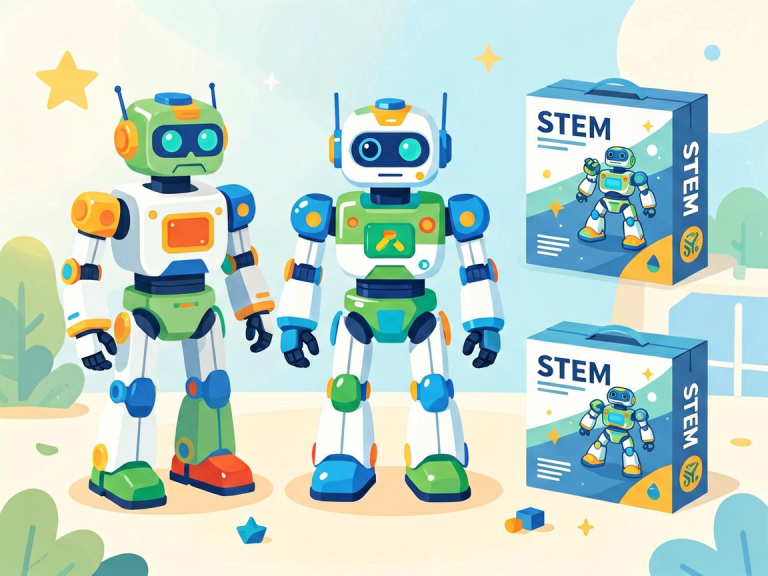
The best educational gifts merge play with real science principles. Dinosaur-themed STEM toys are perfect for this, as they teach coding, engineering, and physics through a prehistoric lens. For example, a build-your-own robotic dinosaur kit allows children to assemble gears, motors, and sensors, learning about mechanics and electricity while creating a moving creature. Some kits, like the *4M Dinosaur Digging Kit*, incorporate chemistry by requiring kids to mix safe acids to reveal hidden fossils. Meanwhile, board games such as *Dinosaur Escape* (for younger kids) promote cooperation and strategy, while *Paleontology: The Card Game* (ages 10+) challenges players to research, excavate, and publish discoveries—teaching the process of scientific study. For a digital twist, consider a subscription to *Mystery Science* or *KiwiCo’s Paleontology Crate*, which deliver monthly hands-on activities and experiments focused on Earth science. These toys not only reinforce dinosaur facts but also develop logical thinking, problem-solving, and an understanding of how science is done in the real world.
Creative Play: Art and Craft Kits for Young Dino Enthusiasts
Not every child learns best through digging or reading; many thrive when they can create. Art and craft kits designed around dinosaurs offer a wonderful blend of creativity and education. A dinosaur mosaic kit, for example, teaches geometry and pattern recognition as kids place tiny tiles to form a Stegosaurus or Pteranodon. Sculpting clay sets that let children mold their own dinosaur figures encourage an understanding of anatomy—they must consider leg proportions, tail length, and jaw shape to make their creation look realistic. For a more structured experience, consider a “dinosaur diorama” kit that includes materials to build a Triassic jungle or Cretaceous shoreline. While constructing the scene, children learn about habitats, food chains, and the environments in which different dinosaurs lived. Even simple activities like dinosaur-themed origami or sticker-by-number books improve fine motor skills and focus. The key is to choose kits that include a fact card or a small booklet explaining the science behind the art—this turns a craft project into a dual learning opportunity.
Digital Discoveries: Apps, VR, and Online Resources
In the digital age, screen time can be turned into productive learning time. Numerous apps and virtual reality experiences allow children to go beyond static images and “step into” the world of dinosaurs. Apps like *Dinosaur Park* (for tablets) let kids hatch eggs, feed dinosaurs, and learn about each species through interactive mini-games that reward knowledge retention. For a more immersive experience, a VR headset paired with educational content—such as *DinoVR: Journey to the Cretaceous*—enables children to watch a herd of Triceratops graze or stand beside a towering Brachiosaurus. This spatial, visual learning is especially effective for children who are kinesthetic or visual learners. Additionally, websites like the American Museum of Natural History’s online dig simulation or the BBC’s *Walking with Dinosaurs* interactives offer free, high-quality educational games that teach fossil identification, geological time scales, and dinosaur classification. When combined with a parent’s guidance, these digital tools foster digital literacy and critical evaluation of online information—a vital 21st-century skill.
Conclusion: Choosing the Perfect Gift
The ideal educational gift for a dinosaur-loving child is one that matches their age, interests, and learning style. A toddler might be thrilled by a soft dinosaur book with different textures, while a ten-year-old might long for a real fossil excavation kit. The common thread through all these options is that they transform passive fascination into active inquiry. They encourage questions like “How did this dinosaur live?” and “What can we learn from its bones?” By gifting experiences that combine hands-on exploration, reading, creativity, or technology, you are not just giving a present—you are fueling a lifelong love of science, history, and discovery. The next time you see a child’s eyes light up at the mention of a Velociraptor, remember that the greatest gift you can give is not another toy, but the tools to dig deeper, learn more, and perhaps one day make their own dinosaur discovery. Choose wisely, and watch their imagination—and their knowledge—roar to life.