A Universe of Wonder: Top Christmas Gifts for Kids Who Love Space
Introduction
Every child who gazes up at the night sky feels a spark of curiosity—a longing to explore the infinite darkness peppered with stars, planets, and galaxies. For a boy or girl obsessed with space, Christmas morning is not just about unwrapping presents; it’s about receiving the tools to unlock the secrets of the cosmos. Whether your young astrophile is three years old and thrilled by glowing star stickers, or a teenager dreaming of becoming an astronaut, the right gift can fuel that passion for years to come. This guide curates a stellar selection of Christmas gifts, ranging from hands-on kits and educational books to interactive gadgets and immersive experiences. Each suggestion is carefully chosen to inspire wonder, encourage learning, and turn a winter holiday into a launchpad for discovery. With these ideas, you can make their Christmas truly out of this world.
—
Educational Books and Atlases: Building a Foundation of Knowledge
For kids who love space, few gifts are as enduring or as enriching as a beautifully illustrated book. A high-quality space atlas does more than list facts—it transports the reader through time and distance, from the Big Bang to the farthest exoplanets. One standout is *The Space Encyclopedia: A Tour of Our Solar System and Beyond* (National Geographic Kids). Packed with breathtaking NASA photographs, clear diagrams, and kid-friendly explanations, it covers everything from the Sun’s corona to the icy rings of Neptune. For younger readers (ages 4–8), *There’s No Place Like Space!* by Tish Rabe (from the Cat in the Hat’s Learning Library) introduces planets and stars in a rhyming, playful format. Another brilliant choice is *The Mysteries of the Universe* by Will Gater, which presents a visual journey into deep space, highlighting black holes, nebulae, and galaxies. These books not only answer endless questions but also inspire new ones, making them a gift that keeps on giving long after the wrapping paper is tossed aside. To complement the reading experience, consider a book on space pioneers like *The Story of Space: A First Book About the Universe* by Catherine Barr and Steve Williams, which weaves history and astronomy into an engaging narrative. For eager learners aged 9–12, *Astronomy for Kids: How to Explore Outer Space* by Dr. Betsey B. Price includes simple experiments and observation guides, encouraging children to step outside and look up. Any of these books will be a treasured addition to a young space fan’s library, nurturing a lifelong love of science.
—
Build-Your-Own Models and Kits: Hands-On Exploration
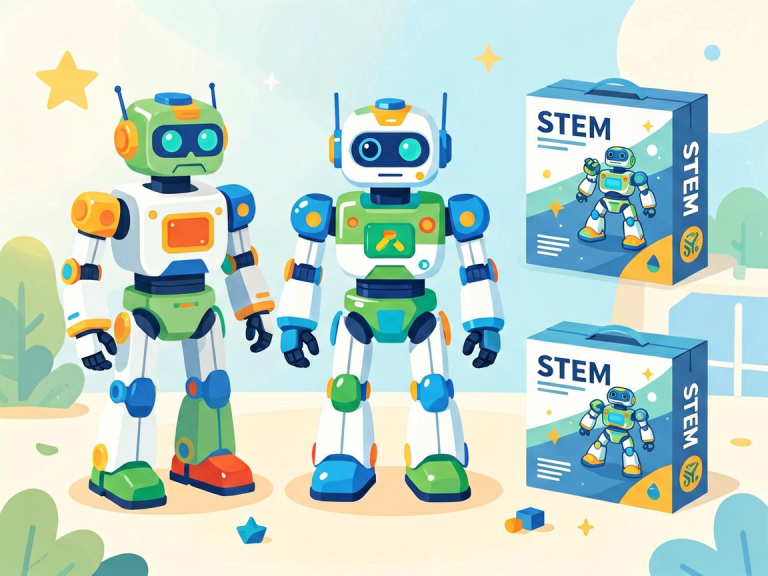
There is something magical about assembling a miniature version of a rocket or a solar system—it transforms abstract concepts into tangible creations. Construction kits are ideal for kids who love to tinker and build, blending engineering with astronomy. The LEGO Creator Expert NASA Apollo Saturn V set (21309) is a classic: with 1,969 pieces, it recreates the iconic rocket at a 1:110 scale, complete with a lunar lander and astronaut minifigures. Building it offers hours of focused fun and a history lesson about the Apollo missions. For younger children (ages 6+), the LEGO City Lunar Research Base set provides a playable space station with rovers, scientists, and scientific equipment. Another fantastic option is the 4M Solar System Planetarium Kit, which lets kids assemble and paint a 3D model of the solar system, complete with glow-in-the-dark stars. As they paint each planet, they learn about its size, color, and position relative to the Sun. More advanced builders (ages 10 and up) might enjoy the Smithsonian Motorized Rocket Science Kit, where they can construct a rocket that actually launches using air pressure. Meanwhile, the Top Race STEM Solar Robot Kit combines space themes with robotics: children build a solar-powered robot that walks and rolls like a rover. These hands-on gifts encourage patience, problem-solving, and scientific thinking. When the model is finished, it becomes a proud display piece—a reminder that Earth is just one small part of a vast universe.
—
Interactive Tech Gadgets: Bringing the Cosmos Home
In an age of smartphones and tablets, technology can be a powerful gateway to the stars. Gifts that use digital tools to simulate space exploration are especially exciting for older kids who crave interactivity. A beginner-friendly telescope is a timeless choice, and the Celestron FirstScope 76mm Compact Tabletop Telescope is perfect for ages 6 and up. It’s small enough to set up in the backyard, yet powerful enough to show craters on the Moon, the rings of Saturn, and the moons of Jupiter. For families who want a more immersive experience, the Unistellar eVscope 2 is a digital telescope that uses augmented reality to enhance the view—perfect for kids who need instant gratification. A more affordable tech gift is the Starry Night Planetarium Projector, which projects constellations, nebulas, and even shooting stars onto the ceiling of a child’s room. Many models come with built-in sounds and stories, turning bedtime into a space adventure. For tablet-loving kids, the "NASA’s Eyes" app (free, but combined with a sturdy tablet stand) offers real-time 3D simulations of spacecraft, planets, and missions. Another brilliant gadget is the Big Bang Science Augmented Reality Globe: by pointing a smartphone at the globe, children see planets and constellations pop up in 3D, along with narrated facts. Virtual reality headsets like the Oculus Quest 2 can run educational space apps such as "Mission: ISS," where users float inside the International Space Station. These tech gifts merge entertainment with education, satisfying a child’s desire for screen time while feeding their curiosity about the universe.
—
Space-Themed Toys and Games: Imaginative Play
Sometimes the best gifts are those that spark imaginative play, allowing kids to become astronauts, aliens, or mission commanders. Space-themed toys encourage storytelling and creativity, and there is a vast selection available. For toddlers and preschoolers, the Fisher-Price Little People Space Shuttle playset features a friendly crew and a shuttle that opens up, complete with a launch sound. Older children (ages 4–8) will love the Playmobil 9469 Space Rocket with Launch Tower, which includes a detailed rocket, control room, and astronaut figures. The rocket can actually “launch” a small capsule via a spring mechanism. For kids who enjoy board games, "The Crew: The Quest for Planet Nine" is a cooperative card game where players work together to complete missions in outer space, teaching teamwork and strategic thinking. Another excellent game is "SolarQuest: The Space Age Board Game," a updated version of a classic where players trade planets and navigate asteroids. For a more solitary activity, consider the Ravensburger "Space Exploration" puzzle (1000 pieces), featuring an intricate image of astronauts on the Moon. If your child loves building, the Magformers Space Adventure magnetic building set lets them construct rockets, rovers, and alien bases with colorful geometric tiles. Don’t forget the classic toy telescope—a plastic one with a compass and a map of the Moon can be a simple yet delightful addition to any space lover’s collection. These toys turn living rooms into launch pads and backyards into Martian landscapes, ensuring that the spirit of exploration never sleeps.
—
Experiential Gifts: Beyond the Wrapping Paper
While tangible gifts are wonderful, sometimes the most memorable present is an experience. For a child who dreams of space, consider gifting a family trip to a planetarium or an observatory. Many local science museums host holiday shows like "Journey to the Stars" or "The Little Star That Could," which are both entertaining and educational. If a visit isn’t possible, you can bring the planetarium home with a membership to an online platform such as "SkySafari" or "Stellarium" (both apps allow users to control a virtual telescope and identify celestial objects). Another experiential gift is a subscription to an astronomy-themed monthly box, like "Einstein Box Science Experiment Kit" or "KiwiCo’s Space Crate," which delivers new experiments and activities each month. An online course, such as Outschool’s "Astronaut Training for Kids," taught by real scientists, can give a child a taste of what it’s like to train for spaceflight. For the ultimate splurge, consider funding a child’s participation in a weekend camp like "Space Camp" (operated by the U.S. Space & Rocket Center in Huntsville, Alabama), which offers simulated missions, zero-gravity simulators, and rocket-building workshops. Even a simple framed poster of the Apollo landing sites or a NASA patch set can be a meaningful symbolic gift. These experiences create memories that last far longer than any toy—they ignite a fire of curiosity that may one day lead a child to pursue a career in science, engineering, or exploration.
—
Conclusion
Selecting Christmas gifts for kids who love space is an opportunity to support their natural passion for discovery. Whether you choose a book that teaches, a kit that builds, a gadget that simulates, a toy that inspires, or an experience that transcends, each present is a stepping stone toward the stars. The universe is vast, but a child’s imagination is even vaster. By giving them the tools to explore, you are not just handing over a wrapped box—you are handing them a ticket to adventure, a question to ponder, and the confidence to wonder “What’s out there?” This Christmas, let the spirit of curiosity shine brighter than the North Star, and watch as the little astronaut in your life takes the first steps toward their own cosmic journey. After all, the best gift you can give is the one that shows you believe in their dreams—and there is no dream bigger than the sky above.