Unleash Imagination: The Ultimate Guide to the Best Creative Gifts for 6-Year-Olds
Introduction
At the age of six, children are at a magical crossroads of development. Their fine motor skills are sharpening, their curiosity is limitless, and their capacity for imaginative play is at an all-time high. They are no longer toddlers who simply explore objects, nor are they yet bound by the rigid logic of older childhood. Instead, they are little inventors, storytellers, and artists who see the world as a canvas waiting to be transformed. Choosing a gift for a six-year-old is therefore not just about keeping them entertained—it is about nurturing the seeds of creativity that will blossom into lifelong skills. The best gifts for this age are those that invite open-ended exploration, encourage problem-solving, and spark joy through the act of making something new. This guide presents a curated selection of creative gifts that go beyond the ordinary, focusing on toys and tools that engage a six-year-old’s mind, hands, and heart. Each suggestion is chosen for its ability to foster imagination, build confidence, and provide hours of meaningful, screen-free play. Whether you are a parent, grandparent, aunt, uncle, or family friend, this list will help you find the perfect present that a six-year-old will treasure not just for a day, but for a whole season of discovery.
1. Open-Ended Building Sets: Beyond Blocks
The Magic of Magnetic Tiles
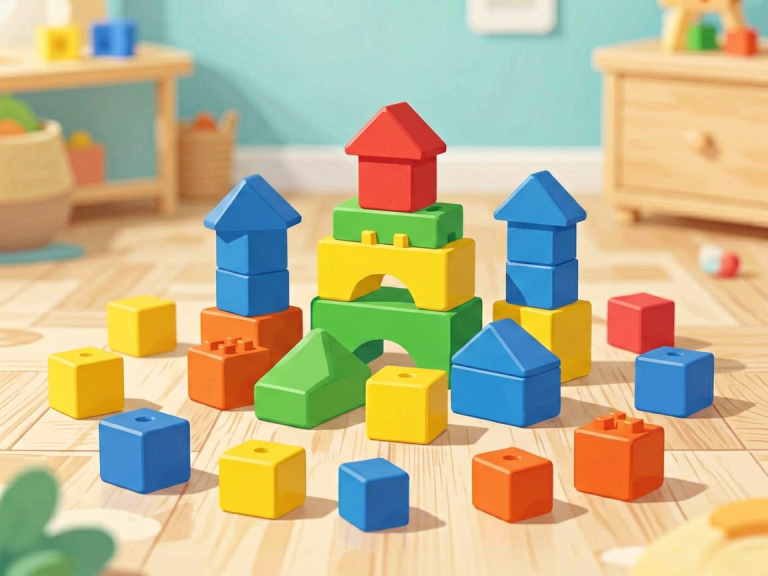
Magnetic tiles have become a staple in creative play for good reason. Unlike traditional building blocks that rely on stacking and balance, magnetic tiles snap together with satisfying clicks, allowing six-year-olds to construct intricate structures that defy gravity. A set of translucent, colorful squares, triangles, and rectangles can become a castle, a spaceship, a robot, or even a geometric sculpture. The beauty of magnetic tiles lies in their open-endedness: there are no instructions to follow, no right or wrong way to build. A child might start by making a simple house and then, inspired by a story they heard or a dream they had, transform it into a multi-level fairy tower with a drawbridge. This kind of play strengthens spatial awareness, fine motor control, and basic principles of engineering. Moreover, because the pieces are easy to connect and pull apart, frustration is minimized, and the emphasis stays on creativity rather than perfection. For a six-year-old, a set of 100 or more magnetic tiles is a gift that grows with them, offering new challenges as they invent more complex designs.
Wooden Marble Runs: Physics Meets Fantasy
Another fantastic building toy is a wooden marble run. These sets include ramps, tunnels, drops, and curves that children can arrange to create a track for marbles to race down. The process of designing a functional marble run involves trial and error: a ramp placed too steeply might send the marble flying off, while a curve that is too tight might cause a jam. Six-year-olds love the cause-and-effect logic of this play, and they learn persistence as they adjust their designs. More importantly, marble runs invite storytelling. A child might imagine that the marble is a brave knight rolling through a dragon’s lair, or a secret agent escaping through a maze of tunnels. Some sets even include bells, bridges, and spinning wheels that add auditory and visual excitement. When choosing a marble run, look for sets with a variety of pieces and a solid base that prevents wobbling. A well-made wooden set can be combined with other blocks or used on its own, providing endless hours of constructive, joyful problem-solving.
2. Art Supplies That Inspire Masterpieces
Watercolor Pencils and Mixed-Media Kits
While crayons and markers are old standbys, six-year-olds are ready for more sophisticated artistic tools. Watercolor pencils are a perfect bridge between drawing and painting. A child can sketch a picture—a rainbow, a garden, a monster—and then dip a brush in water to transform the lines into vibrant washes of color. This dual nature encourages experimentation: they can draw first and then paint, or wet the paper and draw on it to see how the colors bleed. A quality watercolor pencil set, combined with thick watercolor paper and a few brushes, becomes an invitation to explore texture and blending. To make it even more special, include a mixed-media sketchbook with pages that can handle water, glue, and collage elements. Add a glue stick, child-safe scissors, and a collection of interesting papers (tissue, patterned, metallic) and stickers. This combination turns a simple art kit into a full-fledged studio, allowing the child to create layered, tactile artworks that feel like real adult projects. The act of mixing materials helps six-year-olds understand that there are no limits to what they can create, fostering a mindset of resourceful creativity.
Play-Doh with Tools and Extruders
Play-Doh is a classic, but for a six-year-old, the standard set of a few colors and a couple of molds can feel limiting. The best Play-Doh gift is one that comes with a variety of tools that encourage sculpting, shaping, and molding. Look for sets that include a press (like a Play-Doh extruder) that forces the dough into different shapes—spaghetti, stars, strips—or a set that includes rolling pins, cookie cutters with intricate patterns, and texture stamps. Six-year-olds have the dexterity to create detailed figures, such as a tiny pizza with pepperonis, a snake with scales, or a flower with petals. The tactile nature of Play-Doh is incredibly satisfying, and it allows children to practice fine motor skills while expressing their ideas in three dimensions. Unlike digital drawing, Play-Doh offers immediate, physical feedback: a pinch here, a roll there, and something new emerges. To extend the fun, add a set of googly eyes, pipe cleaners, and small beads that can be pressed into the dough to create whimsical creatures. This open-ended sculpting medium is forgiving and encourages repetition without boredom, making it a perennial favorite for creative six-year-olds.
3. Science Kits for Little Explorers
Chemistry Sets for Curious Minds
Six-year-olds are natural scientists. They ask why the sky is blue, what makes bread rise, and how a rainbow forms. A gentle, age-appropriate chemistry set can channel this curiosity into hands-on experimentation. Look for kits that use safe, household-like ingredients—baking soda, vinegar, citric acid, and food coloring—to create safe reactions such as fizzing volcanoes, color-changing liquids, and homemade slime. The best kits include a plastic test tube rack, pipettes, measuring spoons, and a colorful instruction booklet with simple, step-by-step experiments. What makes these kits creative is that they invite children to go off-script: after making a classic baking soda volcano, a six-year-old might try adding a drop of detergent to see if it makes bigger bubbles, or mix colors in unexpected ways to create new shades. This kind of guided but flexible play teaches the scientific method in a joyful, low-stakes environment. It also builds vocabulary (words like “reaction,” “dissolve,” and “fizz”) and reinforces the idea that mistakes are just unexpected results to be explored further. A chemistry kit is a gift that turns a child’s bedroom into a laboratory of wonder.
Nature Exploration Kits and Bug Catchers
For the child who loves the outdoors, a nature exploration kit is a gift that connects creativity with the natural world. A sturdy backpack filled with a magnifying glass, a pair of child-friendly binoculars, a bug catcher with a magnifying lid, a small notebook and pencil, and a field guide to local insects, birds, or plants provides everything a young explorer needs. Six-year-olds can spend hours observing a ladybug’s spots, sketching the veins on a leaf, or collecting interesting pebbles and feathers. The creative part comes next: they can use their observations to create stories, draw pictures, or build tiny habitats from twigs and leaves. Some nature kits include a plastic container that can be turned into a terrarium, with soil, seeds, and a small spray bottle so the child can grow their own miniature garden. This kind of gift encourages patience, attention to detail, and a sense of wonder for the living world. It also offers a healthy counterbalance to screen time, giving children a reason to look up and notice the patterns in nature. For a six-year-old, discovering a caterpillar or finding a perfectly shaped acorn is a small but profound creative triumph.
4. Imaginative Role-Play and Storytelling Gifts
Costume Trunks and Dress-Up Sets
At six, children are masters of make-believe. A costume trunk filled with an assortment of dress-up items is like a key that unlocks infinite characters. Rather than buying a single themed costume (a princess, a firefighter), opt for a collection of mix-and-match pieces: a cape, a crown, a vest, a pair of fairy wings, a sheriff badge, a pirate eye patch, a colorful scarf, and a set of silly glasses. Add a small box of props like a plastic sword (safe and blunted), a wand, a telescope, and a toy microphone. The beauty of a mixed costume trunk is that it allows a six-year-old to invent their own characters—a space-faring pirate queen, a wizard who is also a detective, a superhero who runs a bakery. Dress-up play is one of the most powerful forms of creative development because it involves language, social skills, and emotional expression. When a child dons a cape, they might adopt a new voice, invent a conflict, and act out a resolution. They learn to negotiate roles with siblings or friends, building empathy and collaboration. A costume trunk is not just a gift; it is a theater. To make it even better, include a small hand mirror and a notebook for “character journals” where the child can draw or write about their alter egos. This kind of play is deeply satisfying and can evolve over months as the child’s imagination grows.
Story Cubes and DIY Storytelling Kits
For the child who loves to tell tales, a set of story cubes is a brilliant tool. These are small dice with pictures on each face—a castle, a key, a mouse, a lightning bolt, a crown, a bridge. The child rolls the cubes and then has to weave a story using the images that appear. This is a game that can be played alone or with others, and it never gets old because the combinations are endless. Six-year-olds can start with simple sentences (“Once there was a mouse who found a key inside a castle…”) and build to more elaborate plots with conflict and resolution. To enhance the experience, pair the story cubes with a blank book (a “story journal”) and a set of colored pencils. The child can draw the scenes as they narrate, creating their own illustrated storybook. Alternatively, consider a DIY puppet theater kit that includes simple finger puppets, a small foldable stage, and a script template. Six-year-olds can write their own mini-plays, rehearse, and perform for family. These gifts develop narrative thinking, vocabulary, and confidence in public speaking. They also provide a wonderful opportunity for adult-child bonding, as you can sit together and spin tales. In a world of passive entertainment, a storytelling kit puts the child in the director’s chair.
5. Musical Instruments and Sound Exploration
Percussion Sets and World Instruments
Music is a profound outlet for creativity, and six-year-olds are ready to explore rhythm and melody in a structured yet playful way. A set of small percussion instruments—a hand drum, a shaker egg, a pair of claves, a triangle, and a rainstick—allows a child to create their own beats and soundscapes. Unlike a complex keyboard or guitar, percussion instruments offer immediate satisfaction: you hit, shake, or scrape, and sound comes out. This tactile feedback is incredibly rewarding for young children. Encourage the child to create music that tells a story—soft taps for a sleeping bear, fast shakes for a rainstorm, loud bangs for a giant’s footsteps. You can also introduce world instruments such as a kalimba (thumb piano), a set of chimes, or a small djembe drum. These instruments often have unique, pleasant tones that capture a child’s attention. The creative process involves experimentation: what happens when you tap the drum with a rubber tip versus a wooden stick? What sound does a rainstick make when turned slowly versus quickly? A good percussion set comes with a simple guide to basic rhythms, but the real fun is in improvising. Music-making at this age builds auditory discrimination, concentration, and a sense of timing. It also gives the child a non-verbal way to express emotions, which is invaluable for emotional development. Add a small recording device (a simple voice recorder or a child-friendly digital recorder) so the child can capture their compositions and play them back, feeling a sense of ownership and pride.
Melody Maker: Simple Keyboards or Glockenspiels
For a child who shows an interest in melody, a small glockenspiel or a mini keyboard with numbered keys can be a wonderful introduction to creating tunes. A glockenspiel (a metal xylophone) produces clear, bell-like notes that are easy to distinguish. Many sets come with color-coded sheet music songs like “Twinkle, Twinkle, Little Star.” Once the child masters a few simple songs, they can start composing their own. The limited number of notes on a glockenspiel actually helps creativity by constraining choices—just like a haiku imposes structure to enhance poetry. A mini keyboard with built-in rhythms and sound effects can also be extremely engaging. Six-year-olds love selecting different instrument sounds (piano, trumpet, guitar) and drum beats to accompany their melodies. The key is to avoid overstimulating toys with flashing lights and loud, pre-programmed tunes. Instead, choose an instrument that puts the child in control of the sound. Some keyboards even have a recording function that allows the child to layer tracks, teaching the basics of composition. This kind of gift fosters patience, as learning to play a simple melody requires practice, but the reward is deep satisfaction. It also opens the door to lifelong appreciation for music.
6. DIY Craft Kits: From Simple to Complex
Weaving Looms and Friendship Bracelet Kits
Weaving is a calming, repetitive activity that produces tangible results, which is enormously satisfying for a six-year-old. A small tabletop weaving loom comes with a simple frame, a shuttle, and colorful yarn. The child can weave a potholder, a bookmark, or a small wall hanging. The process requires following a pattern (over, under, over, under) which builds focus and fine motor skills. More importantly, it allows for endless color combinations and textures. A child might weave a rainbow scarf for a doll, or a tiny rug for a toy house. Friendship bracelet kits that use embroidery floss and simple knotting techniques (like the chevron or spiral pattern) are also excellent. These kits typically include a cardboard disk or a plastic loom, plus step-by-step instructions for a few basic patterns. Six-year-olds love the social aspect of making bracelets for friends and family, and the act of creating a wearable piece of art boosts self-esteem. These crafts teach patience and precision, but they also allow for creative deviation—a child might invent their own knotting pattern or mix unexpected colors. The best kits come with extra supplies so the child can continue experimenting long after the initial project is done.
Origami Paper Sets and Sticker Mosaic Kits
Origami is a magical art form for a six-year-old because it transforms a flat piece of paper into a three-dimensional object through folding alone. A starter origami kit with pre-printed, colorful square papers and a book of simple models (a dog, a boat, a flower, a jumping frog) is both challenging and achievable. The child learns to follow visual instructions, and the moment a finished origami crane stands upright is a small triumph. This kind of gift teaches geometry and spatial reasoning while nurturing patience. Sticker mosaic kits offer a different but equally engaging tactile experience. They come with many small, colored stickers (often foam or glittery) that the child places on a grid or outline to create a mosaic picture—a butterfly, a dinosaur, a unicorn. This is like painting with stickers, and it requires careful placement and color coordination. The result is a glossy, textured artwork that the child can hang on the wall. Both origami and sticker mosaics are screen-free, portable, and allow for individual creativity within a structured framework. They are perfect for quiet afternoons, car trips, or playdates, and they give a six-year-old a sense of accomplishment.
7. Digital Creativity with a Purpose
Coding Toys for Beginners
While many parents worry about screen time, there are creative gifts that use technology to teach logical thinking without passive consumption. A simple coding toy like a programmable robot (e.g., a small plastic robot that follows arrow commands) allows a six-year-old to understand sequencing. The child places cards or press buttons to tell the robot to move forward, turn left, turn right, and repeat. This is essentially visual programming. The robot can be directed through a maze the child builds from blocks or to reach a target toy. There are also app-connected toys that let the child drag and drop code blocks to control a on-screen character or a physical device. The best coding gifts for this age are those that emphasize creativity: the child can design a path, tell a story through the robot’s movements, or create a simple animation. These toys teach problem-solving, logic, and perseverance. They also demystify technology, showing the child that computers follow instructions we give them. Look for toys that are durable, have clear feedback (lights, sounds, or movement), and allow for open-ended play rather than fixed levels. A coding robot is a gift that grows with the child, as they graduate from simple sequences to more complex loops and conditions.
Digital Drawing Tablets (Kid-Friendly)
A child-friendly drawing tablet (like a Boogie Board or a small graphics tablet with a stylus) provides a mess-free way to draw, write, and erase endlessly. These tablets are thin, lightweight, and pressure-sensitive, allowing a six-year-old to create detailed sketches. Unlike paper, they never run out; the child can save a favorite drawing (some models have a save button that stores a copy) and then erase the board for a new creation. Some tablets come with pre-loaded games and templates for drawing faces or mazes. The creative potential lies in the instant feedback: a six-year-old can practice handwriting, doodle cartoons, design patterns, or play games like Pictionary with siblings. The best part is that these tablets encourage iterative creativity—a child can draw a picture, decide they don’t like it, and quickly try again without wasting materials. They also reduce clutter and are perfect for travel. Choose a