Wooden Toys vs. Plastic Toys for 4-Year-Olds: A Balanced Guide for Parents
Introduction: The Toy Dilemma
Every parent of a four-year-old knows the feeling: standing in a cluttered toy aisle, overwhelmed by shelves stacked with brightly colored plastic gadgets on one side and neatly arranged wooden blocks on the other. The choice between wooden and plastic toys is more than a matter of aesthetics or budget—it touches on child development, safety, environmental consciousness, and even family values. At age four, children are bursting with curiosity, rapidly developing fine and gross motor skills, experimenting with social roles, and beginning to understand cause and effect. The toys they interact with can significantly shape these experiences. Yet there is no one-size-fits-all answer. This article dives deep into the characteristics, benefits, and drawbacks of both wooden and plastic toys for four-year-olds, helping parents make informed, thoughtful decisions.
The Case for Wooden Toys
Durability and Longevity
Wooden toys have a reputation for outlasting their plastic counterparts. A well-crafted wooden train set, a set of stacking blocks, or a simple wooden puzzle can survive years of enthusiastic play, often being passed down to younger siblings or even the next generation. For a four-year-old who still occasionally throws, drops, or stomps on toys in a fit of frustration, wooden toys usually hold up better. Unlike plastic, which can crack, splinter, or break into sharp shards, high-quality wood—such as beech, maple, or birch—can withstand considerable impact. This durability not only saves money in the long run but also reduces waste, aligning with sustainable parenting practices.
Safety and Non-Toxicity
Safety is a top concern for any toddler or preschooler. Many wooden toys are made from untreated or naturally finished wood, using water-based, non-toxic paints and varnishes. This is a significant advantage over plastic toys, which may contain harmful chemicals like BPA, phthalates, or lead—especially in cheaper, imported products. A four-year-old still explores the world with their mouth; they may chew on a toy car or put a block in their mouth. With wooden toys, the risk of ingesting toxic substances is typically lower, provided the manufacturer uses safe materials. Moreover, wooden toys are less likely to have small detachable parts that could pose choking hazards, as they are often designed as single, solid pieces.
Sensory and Developmental Benefits
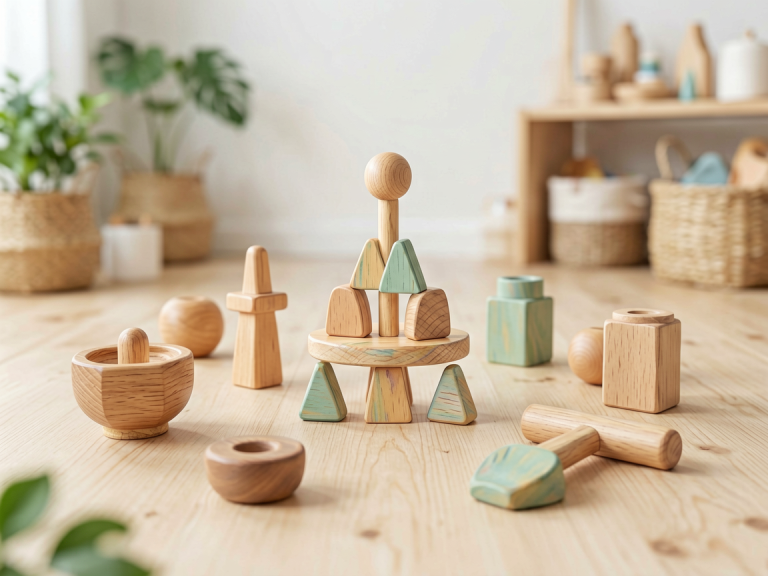
Wood has a unique texture, weight, and warmth that plastic cannot replicate. When a four-year-old grasps a smooth wooden block, they feel a natural, grounding sensation. The slight grain, the subtle variations in color, and the faint natural scent engage multiple senses simultaneously. This multisensory input supports cognitive development by encouraging deeper exploration. Wooden toys often have simpler designs that require children to use their imagination. A set of wooden arches can become a rainbow, a bridge, a tunnel for toy animals, or a crown—depending on the child's whim. This open-ended play is crucial for developing problem-solving skills, creativity, and executive function. In contrast, many plastic toys come with predetermined functions, lights, and sounds that can limit imaginative play.
Environmental Impact
For eco-conscious families, wooden toys are generally the greener choice. Wood is a renewable resource when sourced from sustainably managed forests, and it is biodegradable. Even if a wooden toy eventually breaks or is discarded, it will decompose naturally, unlike plastic which can take hundreds of years to break down in a landfill. Some wooden toy brands also employ carbon-neutral manufacturing processes and use recycled packaging. However, parents should look for certifications such as FSC (Forest Stewardship Council) to ensure responsible sourcing.
The Case for Plastic Toys
Versatility and Functionality
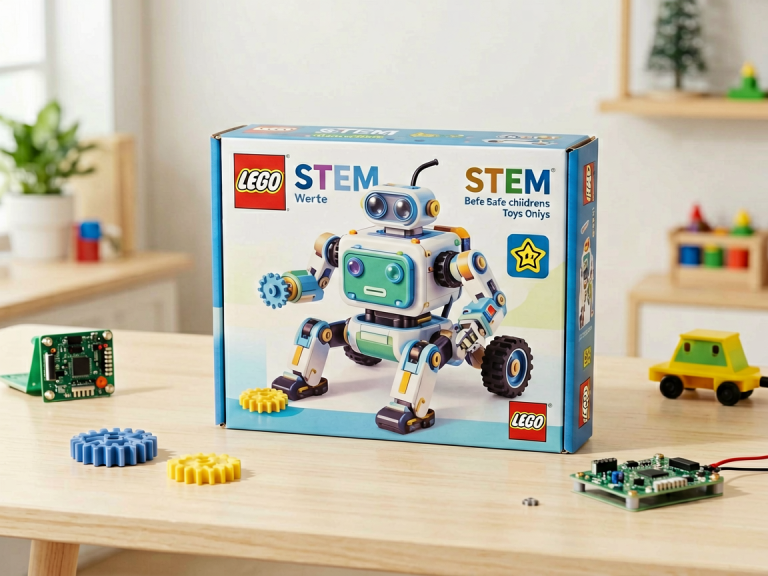
Plastic toys offer unmatched versatility in design and function. They can be molded into virtually any shape, color, or texture, allowing for intricate details that would be impossible in wood—think of a fire truck with working doors, a dollhouse with opening windows, or a plastic dinosaur with movable joints. For a four-year-old who is obsessed with construction vehicles, a plastic excavator with a functioning arm and rotating cab provides a level of realism that a simple wooden version cannot match. Plastic also allows for the integration of technology: interactive learning tablets, talking dolls, and musical instruments that play different notes. These features can support specific educational goals, such as teaching the alphabet, numbers, or cause-and-effect relationships.
Cost and Accessibility
Plastic toys are generally cheaper to produce and therefore more affordable for families on a budget. A basic plastic car might cost a dollar, while a comparable wooden vehicle could be five times as expensive. For parents who want to provide a variety of toys without breaking the bank, plastic offers a practical solution. Additionally, plastic toys are widely available at nearly every store, from supermarkets to dollar stores, making them accessible to families regardless of location. This affordability also means that if a toy is lost or broken, it is easier to replace.
Variety and Popular Culture
At age four, children often become attached to characters from their favorite TV shows, movies, or books. Plastic toys are the primary medium for licensed merchandise: Paw Patrol figurines, Peppa Pig playsets, Disney princess dolls, and superhero vehicles. These toys can be powerful tools for social connection—a child playing with a popular character toy may find it easier to engage in cooperative play with peers who share the same interest. For many families, the joy of seeing their child’s face light up when they unwrap a plastic toy from their favorite franchise outweighs concerns about materials.
Ease of Cleaning
Let’s face it: four-year-olds are messy. Plastic toys have the advantage of being easy to wipe down with a damp cloth or even run through the dishwasher (if they are dishwasher-safe). Wood, on the other hand, can warp, crack, or swell if exposed to excessive moisture. If a plastic toy gets covered in glue, paint, or food, a simple soap-and-water cleaning restores it. This makes plastic toys particularly practical for arts and crafts sessions, water play in the bathtub, or outdoor use where dirt and mud are inevitable.
Comparing Key Factors for 4-Year-Olds
Developmental Appropriateness
At age four, children are in the “preoperational stage” according to Piaget’s theory. They are developing symbolic thinking, language skills, and egocentric viewpoints. Both wooden and plastic toys can support this stage, but they do so differently. Open-ended wooden toys—like blocks, stacking rings, and shape sorters—encourage symbolic play because a child can assign any meaning to the object. A wooden cylinder can be a telescope, a cup, or a rocket. This flexibility fosters divergent thinking. In contrast, many plastic toys are convergent: a plastic doctor’s kit already looks like a stethoscope and a syringe, so the play is more guided. Both types have value, but research suggests that children who spend more time with open-ended toys develop stronger problem-solving and creative skills. However, plastic toys that require assembly, such as building bricks (e.g., LEGO Duplo), also promote fine motor skills, spatial reasoning, and planning.
Encouraging Creativity vs. Structured Play
Wooden toys often excel in encouraging quiet, focused, and creative play. A set of wooden blocks can occupy a four-year-old for an hour as they build towers, houses, and imaginary worlds. There are no batteries, no sounds, no flashing lights—just the child’s imagination. This type of play is linked to improved attention spans and self-regulation. Plastic toys, especially those with electronic features, can be highly engaging but sometimes overstimulating. A plastic toy that plays loud music, flashes lights, and talks may capture a child’s attention momentarily but can also lead to passive play where the child simply watches the toy rather than actively creating. That said, some interactive plastic toys are designed to prompt responses (e.g., “What color is this?”), which can be educational. The key is moderation: a mix of both types ensures that a child benefits from the calm, creative engagement of wood and the interactive, structured learning of plastic.
Social Play and Sharing
Four-year-olds are beginning to engage in cooperative play, where they share toys and negotiate roles. Wooden toys, especially simple ones like blocks or train tracks, are excellent for group play because they are inherently collaborative—multiple children can build together, each contributing their ideas. Plastic toys that are tied to specific characters or functions can sometimes cause conflicts (e.g., “That’s my Paw Patrol chase car!”). However, plastic toy sets like LEGO Duplo or Play-Doh (which often comes in plastic containers) also promote sharing and teamwork. The material itself matters less than the design: toys that allow for multiple users and open-ended scenarios are generally better for social development.
Conclusion: Finding the Right Balance
Neither wooden nor plastic toys are inherently superior for every four-year-old. The best approach is a balanced, intentional collection that draws on the strengths of both materials. For core, lasting toys that build imagination and fine motor skills—like building blocks, puzzles, and simple vehicles—high-quality wooden options are a wise investment. They are safer, more durable, and better for the environment. For toys that require intricate details, popular characters, or interactive features—such as construction vehicles with moving parts, musical instruments, or educational tablets—plastic can be a practical and enjoyable choice.
Parents should also consider their child’s individual temperament. A highly sensitive child might prefer the calm, natural feel of wood, while an energetic child who loves realistic role-play may thrive with plastic toys that mimic the real world. Regardless of material, the most important factors are that the toy is age-appropriate, safe, and encourages the child to engage actively rather than passively consume. By selecting a thoughtful mix—perhaps 70% wooden and 30% plastic, or vice versa, depending on family values—parents can provide a rich, stimulating environment that supports their four-year-old’s growth in every dimension. Ultimately, the best toy is the one that sparks joy, curiosity, and connection—whether it is carved from a tree or molded from a polymer.