Wooden vs. Plastic Toys: Which Are Better for a 5-Year-Old’s Development?
Introduction
Choosing the right toys for a five-year-old is a decision that can influence not only their immediate enjoyment but also their cognitive, motor, and social development. The debate between wooden toys and plastic toys is a classic one among parents, educators, and child development experts. At age five, children are in a crucial transitional phase: they have outgrown toddler toys but are not yet ready for complex electronic gadgets. They are developing fine motor skills, creativity, problem-solving abilities, and social cooperation. Both wooden and plastic toys offer distinct advantages and drawbacks. This article explores the key differences between the two categories—considering safety, durability, environmental impact, educational value, and developmental suitability—to help parents make an informed choice for their five-year-old.
The Appeal of Wooden Toys: Timeless, Tactile, and Sustainable
1. Sensory Richness and Fine Motor Development
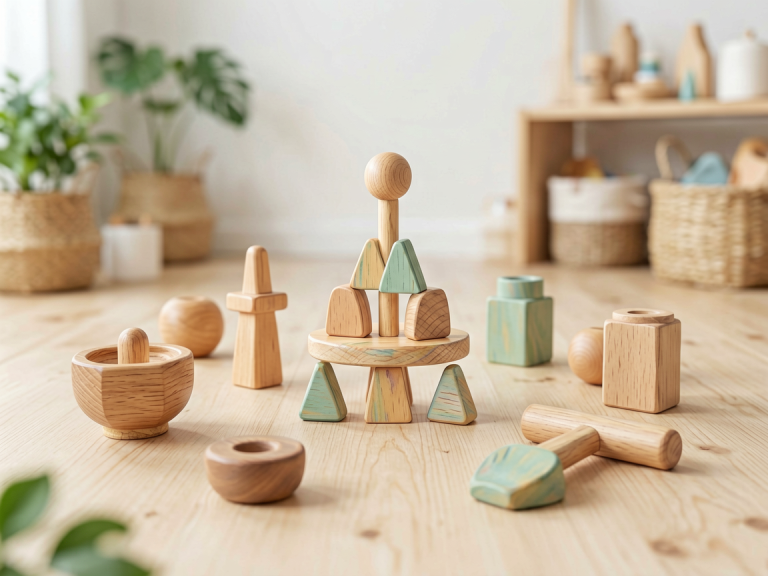
Wooden toys provide a unique sensory experience that plastic often cannot replicate. The natural grain, weight, and temperature of wood engage a child’s sense of touch in a way that cold, uniform plastic does not. For a five-year-old who is refining their grasp and hand-eye coordination, wooden blocks, puzzles, and stacking rings offer a satisfying resistance and stability. The slight friction of wood against wood when building a tower or fitting a peg helps children develop proprioception—awareness of their own body’s force and movement. Many occupational therapists recommend wooden toys precisely because they encourage natural, unhurried play that strengthens small muscles in the hands and fingers, preparing them for writing and other precise tasks.
2. Encouraging Open-Ended, Imaginative Play
Five-year-olds have vivid imaginations and are beginning to engage in complex pretend play. Wooden toys, by their very nature, tend to be simpler and less prescriptive. A set of plain wooden blocks can become a castle, a spaceship, or a grocery store, depending on the child’s mood. A wooden train set with tracks invites endless rearrangements and storytelling. This open-ended quality is crucial for cognitive flexibility and problem-solving. Plastic toys, on the other hand, often come with specific functions, sounds, and flashing lights—features that can inadvertently limit a child’s creativity by steering them toward a predetermined play pattern. For a five-year-old who is learning to invent narratives, wooden toys act as a blank canvas, fostering independent thinking and language development.
3. Durability and Longevity
High-quality wooden toys, especially those made from solid hardwood like beech, maple, or birch, can last for decades. They can be passed down to younger siblings or even to the next generation. For a five-year-old who may still occasionally throw or drop objects, a well-made wooden block is far less likely to break than a hollow plastic one. This durability makes wooden toys a cost-effective choice in the long run. Moreover, wooden toys are easier to repair—a cracked piece can be sanded and re-oiled, whereas a broken plastic toy is usually destined for the landfill.
4. Environmental and Health Considerations
From an environmental perspective, wooden toys have a clear advantage when sourced from sustainably managed forests. Wood is biodegradable and does not rely on petroleum-based plastics, which contribute to microplastic pollution. Many wooden toys are finished with non-toxic, water-based paints or natural oils, making them safer for young children who still put toys in their mouths. Five-year-olds are less likely to mouth objects than toddlers, but the risk of chemical exposure from cheap plastic toys (e.g., phthalates, BPA, lead in some paints) remains a concern. Choosing certified wooden toys (e.g., those with FSC certification and EN71 safety standards) provides peace of mind.
The Advantages of Plastic Toys: Versatility, Affordability, and Modern Features
1. Variety, Precision, and Complexity
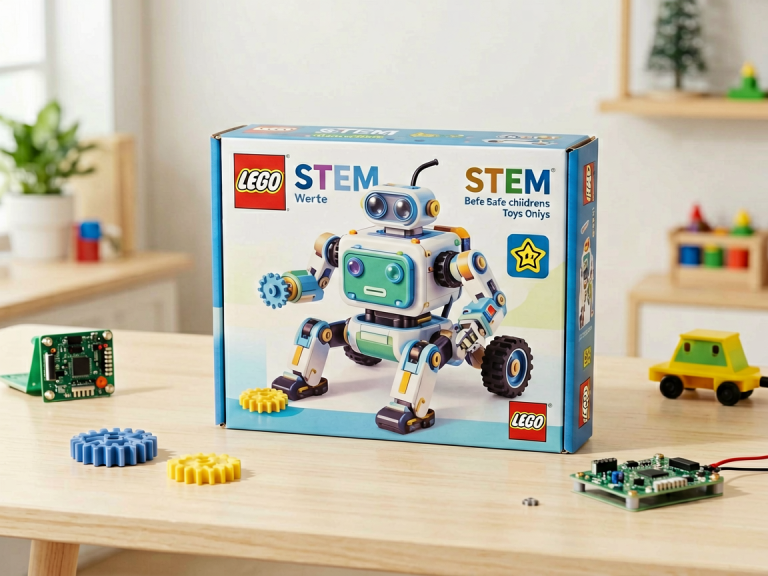
Plastic manufacturing allows for intricate designs that wood simply cannot achieve. For a five-year-old who is fascinated by tiny details—like the gears in a construction vehicle or the articulated joints of an action figure—plastic is the medium of choice. Many educational plastic toys incorporate levers, pulleys, snap-together parts, and interlocking pieces that teach basic engineering concepts. For example, plastic building systems like LEGO Duplo (transitioning to regular LEGO) offer exact tolerances that allow children to build stable structures with moving parts. This precision can be highly motivating for a five-year-old who wants to create a specific model, such as a car with wheels that actually turn. The ability to achieve a predictable result fosters a sense of accomplishment and persistence.
2. Affordability and Accessibility
Plastic toys are generally much cheaper to produce and purchase than their wooden counterparts. For families on a budget, plastic toys provide a way to offer a wide variety of play experiences without breaking the bank. A large set of plastic building blocks can cost a fraction of a similar wooden set. Additionally, plastic toys are widely available in supermarkets, discount stores, and online, whereas high-quality wooden toys are often sold by specialty retailers or artisan makers. This accessibility means that children of all socioeconomic backgrounds can have access to toys that stimulate learning.
3. Light Weight and Portability
Plastic toys are lighter than wood, which is an advantage for young children who may need to carry their toys around the house or to a friend’s house. A five-year-old can easily transport a plastic bucket of small figures or a lightweight plastic car. The low weight also reduces the risk of injury if a toy is accidentally thrown or dropped on a foot—a valid concern for parents of active children. Moreover, plastic toys are more resistant to water damage; they can be washed easily and taken into the bath or outdoors in rainy weather without warping or ruining the finish.
4. Modern Educational Features
Plastic toys often incorporate batteries, lights, sounds, and digital interactivity that can support specific learning goals. For instance, many plastic toys designed for five-year-olds teach the alphabet, numbers, phonics, or basic math through engaging audio feedback. Interactive tablets for kids (made of plastic) can offer age-appropriate apps that build early literacy skills. While some experts caution against excessive screen time, thoughtful use of electronic plastic toys can complement traditional play, especially for children who are motivated by auditory or visual rewards. For a five-year-old who struggles with attention, a toy that responds with a cheerful sound when they match the right shape can provide immediate reinforcement.
Comparing Developmental Outcomes for a 5-Year-Old
Motor Skills: Wood Wins for Gross and Fine Control
When it comes to developing hand strength and coordination, wooden toys have an edge. The heft of a wooden block requires a child to use their whole arm and shoulder muscles, promoting core stability and bilateral coordination. Plastic toys, being lighter, may not provide the same proprioceptive feedback. However, plastic toys with small snap-on pieces (like LEGO) require precise finger pressure that also builds fine motor skills. A balanced approach—including both wooden blocks and plastic construction sets—may be optimal.
Creativity and Imagination: A Clear Win for Wood
Multiple studies suggest that simpler, less structured toys foster more creative play. A 2018 study published in the *Journal of Child Development* observed that children played longer and with more narrative complexity when given plain wooden blocks compared to plastic blocks with printed letters and numbers. For a five-year-old, the lack of preset rules in wooden play allows them to impose their own logic, developing executive function skills like planning and self-regulation. Plastic toys that come with a specific purpose (e.g., a toy cash register that only works when you press certain buttons) can lead to repetitive, scripted play rather than original invention.
Social and Emotional Learning: Both Have Roles
Plastic toys that mimic real-world objects (e.g., doctor kits, tool sets, kitchen playsets) can encourage cooperative role-play with peers. Five-year-olds love imitating adults, and plastic versions of these props are often more realistic in appearance (bright colors, shiny surfaces). Wooden versions tend to be more abstract, which may require more imagination from the child to fill in the gaps. However, wooden pretend food and dishes are a classic favorite and can be used in the same way. The key is not the material but the social context: any toy that facilitates sharing, turn-taking, and negotiation is beneficial.
Safety and Durability: A Mixed Reality
While wooden toys are generally safer in terms of chemical content, they can splinter or develop rough edges over time if not well maintained. Plastic toys, especially cheap ones, may contain harmful chemicals, but reputable brands (e.g., LEGO, Melissa & Doug) follow strict safety standards. Plastic toys can also break into sharp pieces if cracked, posing a choking hazard. Ultimately, supervision and regular inspection are important regardless of material choice.
Practical Recommendations for Parents of 5-Year-Olds
1. Prioritize Open-Ended Wooden Toys for Core Development
Given the developmental benefits, having a foundational collection of high-quality wooden toys is a wise investment. For a five-year-old, consider:
- Wooden building blocks of various shapes and sizes (natural or painted with non-toxic colors).
- A wooden train set with tracks and basic accessories.
- Wooden puzzles with 12–24 pieces that challenge spatial reasoning.
- Wooden animal figures or people for storytelling.
- A wooden abacus or counting set for early math.
2. Complement with Purposeful Plastic Toys for Specific Skills
Plastic toys shine when you need precision, interactivity, or realistic detail. Good choices include:
- Interlocking plastic building bricks (e.g., LEGO Classic sets) for engineering and fine motor skills.
- Plastic magnetic tiles for geometry and color exploration.
- A plastic toy cash register or doctor kit for social pretend play.
- A plastic musical instrument (like a xylophone or recorder) for auditory development.
3. Avoid Overstimulation and Clutter
Beware of plastic toys that are overly loud, flashy, or have only one function. These can overstimulate a five-year-old’s developing nervous system and lead to shorter attention spans. Instead, choose plastic toys that allow for customization or multiple uses. Likewise, wooden toys should be free of small parts that pose a choking risk. Always check age recommendations.
4. Consider Sustainability and Budget
If you are concerned about the environmental footprint, buy wooden toys second-hand or from eco-conscious brands. Plastic toys can be bought second-hand too, and many are recyclable (though not all). For a five-year-old, investing in a few durable, well-designed wooden toys will serve them for years, while supplementing with cheaper plastic toys for variety is perfectly fine.
Conclusion
There is no definitive winner in the wooden versus plastic toy debate for a five-year-old. Each material offers unique benefits that cater to different aspects of a child’s growth. Wooden toys excel in fostering creativity, sensory integration, environmental sustainability, and long-term durability. Plastic toys, on the other hand, offer precision, affordability, interactivity, and a wider range of modern educational features. The most effective approach is a balanced toy box—one that includes a core of open-ended wooden toys to nurture imagination and fine motor skills, with strategic additions of well-designed plastic toys to target specific learning objectives and social play. By choosing toys consciously, parents can ensure that a five-year-old’s playtime is not only fun but also rich in developmental opportunities that will prepare them for the challenges of kindergarten and beyond.