Wooden Toys vs. Plastic Toys for 8-Year-Olds: Which Choice Nurtures Better Development?
Introduction: The Playtime Dilemma
At the age of eight, children stand at a fascinating crossroads of development. Their cognitive abilities are maturing rapidly; they begin to grasp complex rules, plan ahead, and engage in more sophisticated pretend play. Their motor skills, both fine and gross, are becoming more refined, and their social interactions grow increasingly nuanced. It is precisely during this stage that the toys surrounding them play a pivotal role. Parents and educators often face a classic dilemma: should they invest in classic wooden toys or opt for the ever‑present plastic alternatives? The decision is not merely a matter of aesthetic preference—it carries implications for safety, environmental impact, educational value, and long‑term engagement. This article systematically explores the pros and cons of wooden and plastic toys for eight‑year‑olds, offering evidence‑based insights to help caregivers make an informed choice.
1. Cognitive and Creative Development
1.1 Wooden Toys: Open‑Ended Imagination
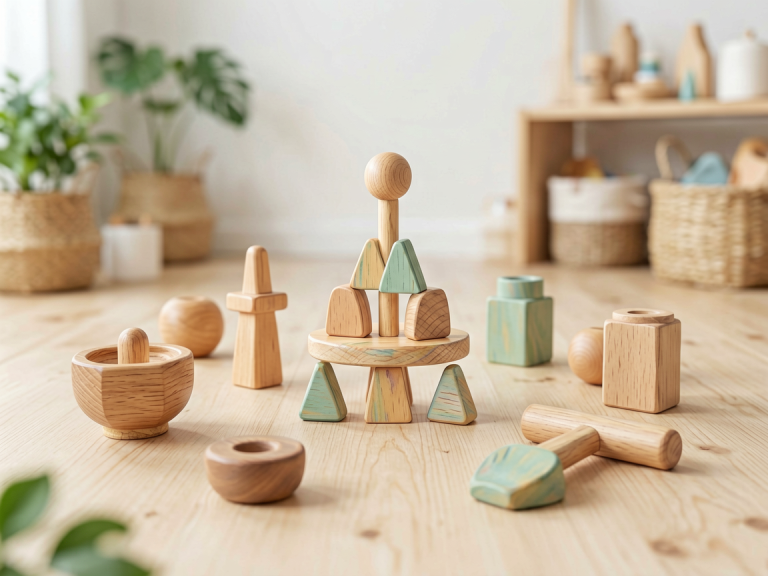
Wooden toys, such as building blocks, puzzles, train sets, and simple figurines, are celebrated for their open‑ended nature. An eight‑year‑old can transform a set of plain wooden blocks into a castle, a spaceship, or a futuristic city. This lack of predetermined function encourages divergent thinking—the ability to generate multiple solutions to a problem. Research in early childhood education indicates that open‑ended play materials foster creativity, problem‑solving skills, and executive function. For an eight‑year‑old who is beginning to grasp abstract concepts, wooden toys provide a tangible, low‑distraction medium for experimentation. The simplicity of wood also invites storytelling: a wooden horse can become a wild stallion in a princess’s imagination, or a wooden car can race across a living‑room floor during a marathon fantasy race.
1.2 Plastic Toys: The Appeal of Structure and Detail
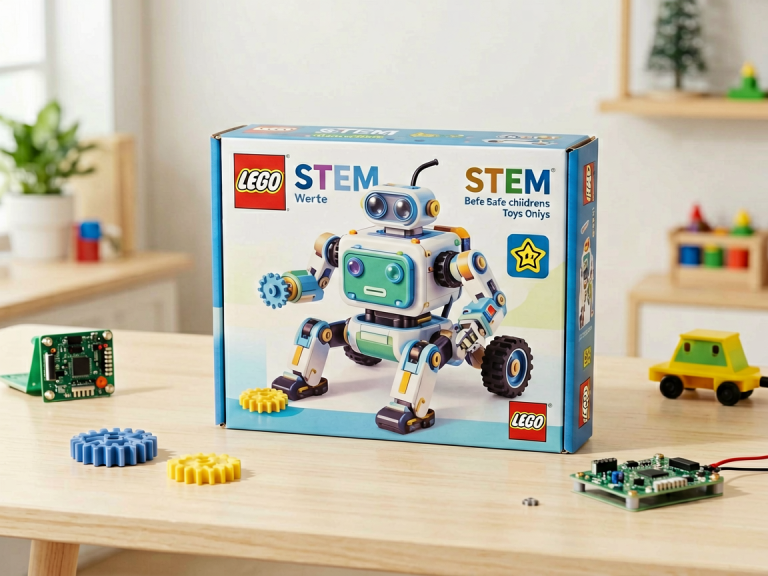
Plastic toys, by contrast, often come with pre‑molded details, bright colors, and sometimes electronic features. For an eight‑year‑old who enjoys superhero characters, video game franchises, or intricate construction sets like LEGO, plastic toys can offer a highly structured play experience. Building a complex LEGO model requires following instructions, spatial reasoning, and perseverance—skills that are valuable for cognitive development. However, the very specificity of many plastic toys can inadvertently limit imaginative play. If a toy is clearly designed to be a specific character from a movie, a child may be less inclined to repurpose it for other narratives. Additionally, plastic toys that make sounds or light up can sometimes overstimulate an eight‑year‑old’s senses, reducing their own creative output. The key is balance: plastic toys that are modular and reconfigurable (e.g., building bricks, magnetic tiles) can support creativity, while highly themed plastic figures may encourage more passive play.
2. Motor Skills and Physical Engagement
2.1 Wooden Toys: Refining Fine and Gross Motor Control
Wooden toys often involve manipulation that strengthens both fine and gross motor skills. Stacking blocks, threading beads, or handling wooden puzzles require careful hand‑eye coordination and precise grip. For an eight‑year‑old, activities like carving a simple wooden figure under supervision (with child‑safe tools) or assembling a wooden marble run can develop dexterity and spatial awareness. Moreover, wooden toys tend to be heavier, which gives children proprioceptive feedback—a sense of where their body parts are in space. This can be particularly beneficial for children who are developing handwriting skills or need to improve their concentration. Outdoor wooden toys, such as balance beams, climbing frames, or wooden scooters, offer whole‑body movement that is crucial for physical health at this age.
2.2 Plastic Toys: Lightweight and Versatile, but Often “Plug‑and‑Play”
Plastic toys are generally lighter and easier to handle, which can be an advantage for younger children. However, for an eight‑year‑old who already possesses adequate strength, the lightness may not provide the same level of motor challenge. Many plastic toys—especially electronic ones—require minimal physical effort beyond pressing buttons or swiping touchscreens. While some plastic construction sets (like LEGO Technic or K‑Nex) demand intricate finger movements, many popular plastic toys for this age group focus on fast‑paced, reactive play rather than sustained manual work. The risk is that an over‑reliance on such toys may lead to underdeveloped fine motor skills, especially if screen‑based plastic devices replace hands‑on activities. A healthy mix is recommended, with wooden toys often serving as the “heavy lifting” for physical development.
3. Durability and Longevity
3.1 Wooden Toys: Built to Last – But Not Indestructible
High‑quality wooden toys, crafted from solid hardwoods like maple, beech, or birch, can survive decades of play. They do not break easily when dropped, and they rarely showcase the sharp edges that can appear on cracked plastic. An eight‑year‑old’s wooden building set can be passed down to a younger sibling, or even to the next generation. However, wood is susceptible to moisture, warping, and splintering if poorly finished. Over time, paint may chip, especially if the toy is chewed (though eight‑year‑olds are past that stage). Nonetheless, wooden toys generally offer a better cost‑per‑use ratio because they outlast many plastic counterparts. Parents who value sustainability often favor wood because it can be repaired, repainted, or composted at the end of its life.
3.2 Plastic Toys: Convenient but Often Disposable
Plastic toys are frequently molded from cheap polymers that can crack, fade, or lose their mechanical functionality after a few months of enthusiastic play. The hinges on a plastic action figure may snap, the battery compartment on an electronic toy may corrode, and the bright colors may dull in sunlight. For an eight‑year‑old who is still developing care habits, plastic toys are more likely to break during a tantrum or a careless toss. The result is a constant cycle of replacement—adding to household waste and expense. On the positive side, certain high‑end plastic toys (like LEGO bricks) are remarkably durable because they are made from ABS plastic, which resists impact. Yet, even LEGO bricks can lose clutch power after years of use. In general, plastic toys have a shorter lifespan and contribute significantly to plastic pollution, a growing concern for environmentally conscious families.
4. Safety and Health Considerations
4.1 Wooden Toys: Natural Materials, Lower Chemical Risk
Wood is a natural, non‑toxic material, provided that the toy is finished with water‑based paint or beeswax rather than lead‑based coatings. Reputable manufacturers of wooden toys follow strict safety standards (e.g., EN71 in Europe or ASTM in the U.S.), making them safe for eight‑year‑olds who may still put objects in their mouths—though this is less common at this age. Wood does not off‑gas harmful volatile organic compounds (VOCs) like some plastics can, especially cheap, low‑quality plastics. Furthermore, wooden toys do not contain the endocrine‑disrupting chemicals such as bisphenol A (BPA) or phthalates that are sometimes found in soft plastic toys. For children with allergies or chemical sensitivities, wooden toys are often the safer choice.
4.2 Plastic Toys: Convenience vs. Chemical Concerns
Not all plastic toys are created equal. Many reputable brands now use BPA‑free, phthalate‑free materials and adhere to rigorous global safety certifications. However, the market is flooded with cheap, unbranded plastic toys from unknown sources that may contain hazardous additives. An eight‑year‑old who plays with such toys could be exposed to harmful substances through skin contact or accidental ingestion after chewing on a toy part. Additionally, plastic toys that contain small lights, magnets, or batteries pose choking and electrical hazards if broken. While supervision can mitigate these risks, the inherent variability in plastic toy quality means parents must research each product carefully. Wooden toys, by contrast, offer a more consistent safety record because the material itself is inherently benign when sourced responsibly.
5. Environmental Impact and Sustainability
5.1 Wooden Toys: A Renewable, Biodegradable Option
Wood is a renewable resource when harvested from sustainably managed forests. Many wooden toy companies now carry Forest Stewardship Council (FSC) certification, ensuring that for every tree cut, new seedlings are planted. At the end of a wooden toy’s life, it can be composted, burned for energy (producing non‑toxic ash), or repurposed into craft projects. The carbon footprint of manufacturing a wooden toy is typically lower than that of a plastic equivalent, because wood requires less energy‑intensive processing. For families aiming to reduce their ecological footprint, wooden toys are an excellent choice—especially heirloom‑quality pieces that can be reused by multiple children across generations.
5.2 Plastic Toys: High Environmental Cost
The production of plastic toys relies almost entirely on fossil fuels—petroleum or natural gas. This process emits greenhouse gases, consumes substantial energy, and generates toxic byproducts. Most plastic toys are not biodegradable; they persist in landfills for hundreds of years, breaking down into microplastics that contaminate soil and water. Even if a plastic toy is recycled, the process is energy‑intensive and often down‑cycles the material into lower‑quality products. For an eight‑year‑old who is learning about environmental stewardship, giving them plastic toys sends a mixed message. Conversely, choose durable wooden toys, and you model responsible consumption. Some plastic toy manufacturers have started using recycled plastics or bioplastics, but these remain a small fraction of the market.
6. Age‑Appropriate Engagement for 8‑Year‑Olds
6.1 What an 8‑Year‑Old Truly Needs
At eight, children are developing the ability to plan, negotiate, and engage in complex rule‑based games. They enjoy projects that require patience, such as building a model aircraft, constructing a dollhouse, or creating a marble maze. They also crave social play—board games, cooperative challenges, and imaginative scenarios with peers. Wooden toys that support these activities include: wooden chess sets, wooden construction kits, giant wooden dominoes, and hand‑crafted puppets for storytelling. Plastic toys that can serve a similar purpose include: magnetic building tiles (which often use plastic), programmable robots (which combine plastic with electronics), and complex LEGO robotics kits. The difference lies in the quality of engagement: wooden toys often encourage deeper focus because they lack distracting bells and whistles, while plastic toys can be engaging but may lead to shorter attention spans if the novelty of flashing lights wears off quickly.
6.2 Finding the Perfect Balance
Perhaps the ideal approach is not an either‑or decision but a curated collection that includes both materials. For instance, a set of wooden blocks can coexist with a plastic marble run; a wooden puzzle can sit alongside a plastic science kit. The key is to prioritize toys that require active participation (building, imagining, strategizing) rather than passive consumption. For an eight‑year‑old, a wooden train set can be combined with plastic action figures from his favorite movie—this hybrid play stimulates both creativity and thematic storytelling. Ultimately, the best toy is one that matches the child’s interests and developmental stage, while also promoting sustainable values. Wooden toys generally provide a richer sensory experience and a longer lifespan, but plastic toys offer versatility and electronic integration that some children crave. By weighing the factors above, caregivers can make a confident choice that supports both the child’s growth and the planet’s future.
Conclusion: The Heart‑Centered Decision
When choosing between wooden and plastic toys for an eight‑year‑old, there is no one‑size‑fits‑all answer. Each material has distinct strengths and weaknesses. Wooden toys excel in fostering open‑ended creativity, developing fine motor skills, ensuring safety with natural materials, and minimizing environmental harm. Plastic toys, on the other hand, offer detailed realism, modular complexity, and often a lower upfront cost. For most families, a balanced toy box that contains high‑quality examples of both types—emphasizing durability and active engagement—will best support a child’s holistic development. By intentionally selecting toys that align with your values and your child’s enthusiasm, you are not just buying playthings; you are investing in their imagination, resilience, and sense of responsibility. Let the play begin.