Wood vs. Plastic: Choosing the Right Toys for a 10-Year-Old’s Development
Introduction
At the age of ten, children stand at a fascinating crossroads. They have outgrown the simple cause-and-effect play of toddlerhood, yet they are not quite ready for the abstract thinking of adolescence. Their cognitive abilities are rapidly expanding, their social skills are sharpening, and their physical dexterity allows for increasingly complex manipulation of objects. For parents, educators, and gift-givers, selecting the right toys for a 10-year-old can feel like a high-stakes decision. The classic debate between wooden toys and plastic toys often resurfaces, but the answer is far from binary. Both materials offer distinct advantages and potential drawbacks, particularly when considering the developmental needs, environmental impact, and safety concerns for a child in this specific age group. This article explores the merits and limitations of wooden and plastic toys for 10-year-olds, providing a balanced framework to help you make an informed choice.
The Case for Wooden Toys: Timeless, Tactile, and Eco-Conscious
Wooden toys have a long-standing reputation for durability and simplicity. For a 10-year-old, they offer unique benefits that go beyond nostalgia.
Sensory and Cognitive Engagement
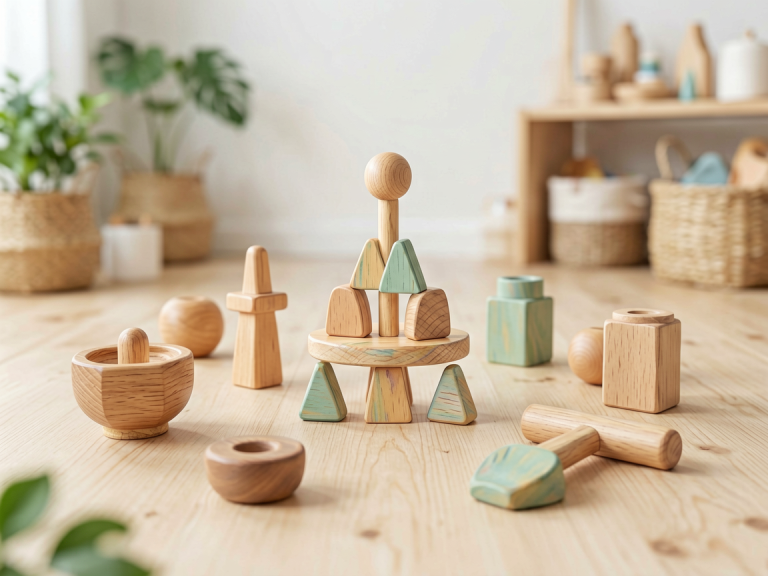
Wood provides a rich sensory experience. Its natural grain, weight, and subtle temperature variation engage a child’s tactile senses in ways that plastic often cannot replicate. At age ten, children are developing advanced fine motor skills and hand-eye coordination. Wooden building blocks, marble runs, and puzzle boxes require precise manipulation and force control—qualities that plastic pieces, with their uniform smoothness, might not demand to the same degree. Moreover, wooden toys often lack pre-programmed sounds, lights, or digital interfaces. This “unplugged” nature forces a child to rely on imagination and problem-solving. For example, a set of wooden geometric shapes can become a castle, a spaceship, or a mathematical modelling tool, encouraging open-ended play that fosters creativity and executive function.
Durability and Longevity
A well-made wooden toy can last for generations. Ten-year-olds are notorious for testing the limits of their possessions—they might accidentally drop, throw, or stand on a toy. Solid wood, especially hardwoods like maple or beech, can withstand such abuse far better than most plastics, which crack, chip, or lose snap-fit connectors over time. This durability also makes wooden toys excellent candidates for hand-me-downs or resale, reducing waste. Additionally, the timeless aesthetic of wood often appeals to older children who may feel that brightly coloured plastic toys are “babyish.” A beautifully crafted wooden chess set, a wooden construction kit, or a wooden mechanical puzzle can feel sophisticated and grown-up, boosting a child’s sense of maturity.
Environmental and Health Considerations
From an environmental perspective, sustainably sourced wooden toys have a smaller carbon footprint than their plastic counterparts, especially if the wood comes from certified forests and the finish uses non-toxic, water-based paints. Wood is biodegradable, whereas most plastics persist in landfills for centuries. Furthermore, parents concerned about endocrine disruptors (such as BPA and phthalates) often find reassurance in natural wood. However, it is important to note that not all wooden toys are created equal—some cheaply made products may use MDF (medium-density fibreboard) or particleboard with formaldehyde-based adhesives, which can off-gas volatile organic compounds (VOCs). Therefore, opting for solid wood with organic or non-toxic finishes is crucial.
The Case for Plastic Toys: Versatile, Interactive, and Modern
Plastic toys dominate the modern market for good reason. For a 10-year-old, plastic offers versatility and interactivity that wood cannot match.
Complexity and Technological Integration
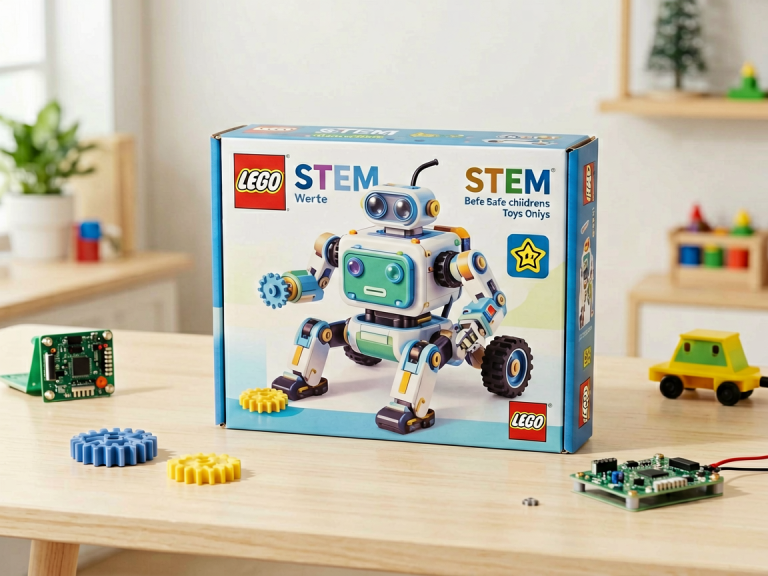
At this developmental stage, children often crave complexity. Many plastic toys are designed to accommodate intricate builds—consider the ubiquitous LEGO Technic sets, which include gears, axles, and programmable motors. These allow a child to explore engineering principles, physics, and even coding. Similarly, plastic construction kits for robotics, chemistry experiments, or snap-together circuits provide hands-on STEM learning that wooden toys typically cannot replicate without significant additions. The ability to connect plastic pieces in countless configurations, often with precise tolerances, supports systematic thinking and delayed gratification. For a 10-year-old who wants to build a working crane or a model rocket, plastic is often the only practical material.
Safety and Hygiene
Plastic toys are generally easy to clean and sanitize—a simple wipe with a damp cloth or a rinse in warm soapy water removes germs and grime. This is particularly important given that 10-year-olds still touch shared surfaces and may not always practise perfect hygiene. Wood, being porous, can absorb moisture, stains, and odours. Unless sealed with a robust finish, wooden toys may harbour bacteria after repeated handling by sticky or muddy hands. Additionally, plastic toys can be moulded without sharp edges, splinters, or rough surfaces. High-quality ABS plastic, for instance, is impact-resistant and can be made with rounded corners, reducing the risk of injury during boisterous play.
Affordability and Variety
Mass-produced plastic toys are generally cheaper than their wooden counterparts. A plastic building set with thousands of pieces might cost a fraction of a similar-sized set of wooden blocks. This affordability allows parents to provide a larger quantity and variety of toys, which can be beneficial for group play or for children who enjoy rapid expansion of their imaginative world. Furthermore, plastic toys often incorporate bright colours, interactive sound effects, and light displays that appeal to the visual and auditory senses of a 10-year-old. For example, a plastic mini-figure playset from a popular franchise (like superheroes or video games) can encourage storytelling and social play with peers, which is vital for emotional development at this age.
Developmental Considerations at Age 10
To choose wisely, one must understand the specific developmental tasks of a 10-year-old. At this age, children are entering a stage of concrete operational thinking (in Piagetian terms). They can understand cause and effect, classify objects, and perform logical operations on tangible items. They also begin to develop a sense of industry versus inferiority (Erikson’s psychosocial stage), meaning they derive self-esteem from mastering skills and completing projects.
Open-Ended vs. Structured Play
Wooden toys tend to support open-ended play, where there is no single “right” way to use them. This is excellent for divergent thinking and creativity. Plastic toys often come with instructions and specific goals—building a pre-designed model, completing a puzzle, or achieving a high score in an electronic game. Both forms are valuable. A 10-year-old needs opportunities to set their own goals (open-ended) and also to follow instructions and achieve predetermined outcomes (structured). The best approach is to have a mix: a wooden block set for free construction alongside a plastic STEM kit for guided learning.
Social and Emotional Development
Group play is crucial at this age. Plastic toys with interlocking pieces, such as LEGO, easily accommodate multiple builders. Wooden toys like large marble runs or structural blocks can also be collaborative, but they often require more space and careful balance. Furthermore, plastic toys that reflect current media trends (video game characters, movie franchises) can help a child bond with friends who share those interests. Conversely, the timeless appeal of wooden toys may encourage more imaginative, less consumer-driven play.
Environmental and Safety Factors: A Balanced View
No discussion is complete without addressing environmental impact. Plastic is derived from fossil fuels, and its production contributes to greenhouse gas emissions. However, the durability of plastic means that a single toy can be used for years, and many plastics are now recyclable—though recycling rates for toy-grade plastics remain low. Wood, if sourced responsibly, is renewable, but the carbon cost of logging, processing, and shipping can also be significant. A comprehensive life-cycle analysis often shows that the most impactful factor is not the material itself but how long the toy is used and whether it is passed on or thrown away. A plastic toy that is used daily for five years and then donated is more eco-friendly than a wooden toy that breaks after one year and ends up in a landfill.
Safety-wise, both materials have risks. Wood can splinter if not well-maintained; plastic can contain harmful additives in low-quality products. For a 10-year-old, who is less likely to mouth toys, chemical leaching is a smaller concern than for toddlers, but it is still wise to avoid toys with strong chemical smells or from unknown sources.
Making an Informed Choice: Practical Recommendations
Given the above analysis, here are actionable guidelines for selecting toys for a 10-year-old:
- Prioritize quality over quantity. Whether wood or plastic, a well-made toy will outlast a cheap one. Look for solid wood (not particleboard) and high-grade, non-toxic plastic (ABS, polypropylene, or polyethylene). Avoid PVC (vinyl) and styrofoam.
- Mix materials to cover developmental bases. Provide at least one wooden set for open-ended creative play (e.g., wooden building planks, a wooden geometry kit) and one plastic set for structured, goal-oriented play (e.g., a motorized LEGO set, a Snap Circuits kit).
- Consider the child’s interests. A child fascinated by engineering will benefit more from plastic construction kits that include gears and pulleys. A child who loves art and design might enjoy a wooden dollhouse or a set of wooden shapes for sculpture.
- Factor in durability and cleanup. If the child plays outdoors frequently, plastic may be more weather-resistant. If the household values natural aesthetics and low noise levels, wooden toys are often quieter when dropped and fit better in a Montessori-style learning environment.
- Think long-term. A 10-year-old is only a few years away from teenage years. Will the toy still be engaging at age 13? Some plastic sets can be expanded into advanced robotics or coding platforms (e.g., LEGO Mindstorms), while a high-quality wooden chess set or a wooden marble run can remain a family classic for decades.
Conclusion
The wooden-versus-plastic debate is not a battle with a single victor. For a 10-year-old, both materials have profound strengths. Wooden toys cultivate patience, tactile awareness, and a sense of history; they are gentle on the planet and often beautiful enough to display. Plastic toys enable complexity, interactivity, and affordability; they integrate seamlessly with modern learning and social trends. The wisest choice is to embrace diversity. A carefully curated collection that includes both materials—each selected for its unique contribution to the child’s development—will serve a 10-year-old far better than an all-or-nothing approach. Ultimately, the toy that sparks the most curiosity, creativity, and joy is the right one, regardless of whether it comes from a tree or a refinery.