The Ultimate Guide to the Best Plush Toys for Newborns: Safety, Comfort, and Development
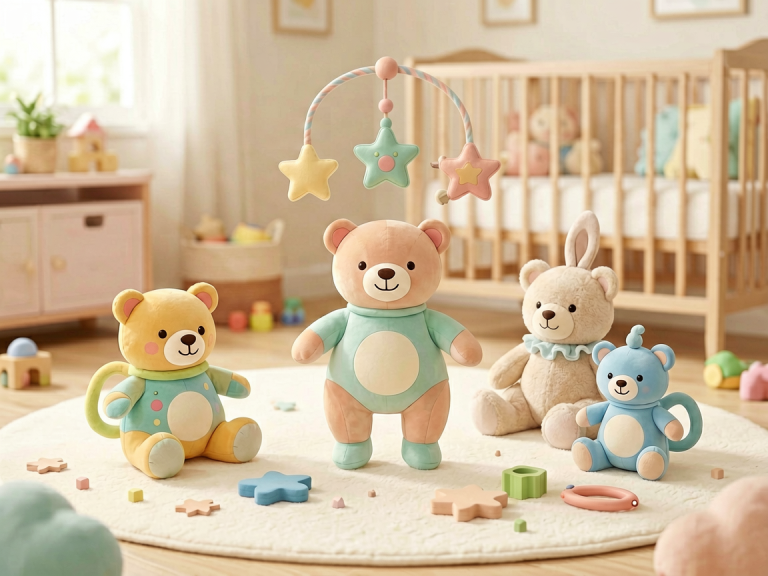
Choosing the first toys for a newborn is a joyful yet daunting task for any parent. Among the countless options lining store shelves, plush toys hold a special place—they are soft, huggable, and often become a child’s first companion. However, not all stuffed animals are created equal when it comes to the delicate needs of a newborn. From safety standards to developmental benefits, the best plush toys for newborns must meet rigorous criteria. This comprehensive guide dives deep into what makes a plush toy truly suitable for babies from birth to six months, offering expert advice, top recommendations, and practical tips for care. Whether you are a first-time parent, a gift-giver, or a caregiver, understanding these nuances will help you make informed choices that prioritize your little one’s well-being and joy.
Why Plush Toys Matter for Newborns
Newborns are born with limited vision—they can only see objects 8 to 12 inches away and are most attracted to high-contrast patterns, bold colors, and gentle movements. Plush toys serve as more than mere decorations; they engage a baby’s developing senses. The soft texture of a well-made plush can provide tactile stimulation, while its weight and shape offer comfort during tummy time or sleep. Moreover, many plush toys incorporate crinkly fabrics, squeakers, or mirrors that encourage auditory and visual exploration. Research in early childhood development suggests that safe, sensory-friendly toys can foster neural connections and emotional security. For example, a classic soft bunny with long ears can become a “lovey” that a baby grasps during self-soothing. However, the key is to select toys that are specifically designed for newborns, avoiding those with small parts or harsh materials that could pose choking hazards or skin irritation.
Safety First: Non-Negotiable Features for Newborn Plush Toys
When it comes to newborns, safety is paramount. The best plush toys for newborns must adhere to strict guidelines established by organizations like the U.S. Consumer Product Safety Commission (CPSC) and the European standard EN71. Here are the critical safety features to look for:
1. No Loose Parts or Detachable Elements
Buttons, beads, plastic eyes, or ribbons can easily become detached if a baby pulls or chews on them. Always choose plush toys with embroidered features (such as stitched-on eyes and noses) rather than glued or plastic ones. Embroidered details are not only safer but also durable. Some top-tier brands like Jellycat and Manhattan Toy use single-piece construction to eliminate any risk of small parts breaking off.
2. Hypoallergenic and Non-Toxic Materials
Newborns have extremely sensitive skin. The fabric should be free from harmful chemicals like phthalates, lead, and formaldehyde. Look for labels stating “BPA-free,” “phthalate-free,” and “Oeko-Tex Standard 100 certified.” Organic cotton and bamboo-based fabrics are excellent choices because they are naturally hypoallergenic and breathe well. Avoid synthetic furs that shed fibers, as they can be inhaled or cause allergic reactions.
3. Fire Resistance and Safety Regulations
Many plush toys are treated with flame retardants, some of which may be toxic. For the healthiest options, choose toys that are inherently flame-resistant (like those made with natural fibers) or those labeled “flame-retardant-free.” Additionally, ensure the toy meets all local safety regulations for infant toys.
4. Appropriate Size and Weight
A newborn’s airways are tiny, and any toy that is too large or heavy could obstruct breathing if placed over the face. The American Academy of Pediatrics (AAP) recommends avoiding any plush toy that is larger than the baby’s head or weighs more than a few ounces. Stick to small, lightweight companions—about 6 to 10 inches in length is ideal. Also, ensure the toy does not have any long strings or loops that could get tangled around a baby’s neck.
Material Matters: Choosing the Softest, Safest Fabrics
The tactile experience of a plush toy is crucial for a newborn. The best plush toys for newborns use materials that are both gentle on the skin and easy to clean. Here’s a breakdown of the top fabric choices:
Organic Cotton
Organic cotton is a top contender because it is grown without pesticides and processed without harsh chemicals. It is incredibly soft, breathable, and durable. Many parents prefer organic cotton plushies for their natural feel and low allergy risk. Brands like Mushie and Finn + Emma specialize in this material.
Bamboo Viscose
Bamboo fibers are known for their silky texture and natural antibacterial properties. Bamboo plush toys are often lighter than cotton and wick moisture away, making them ideal for drooly newborns. However, ensure the bamboo is processed using a closed-loop method to minimize environmental impact.
Polyester Microfiber (with Caution)
Many affordable plush toys use polyester microfiber because it mimics the softness of natural fur. While polyester can be safe if certified, it may retain static electricity and shed microplastics during washing. If you choose polyester, look for “low-lint” options and always wash the toy before first use. Reputable brands like Lamaze and Gund use high-quality polyester that meets safety standards.
Avoid: Long Fur, Feathers, or Beads
Long fur can trap dust and lint, and its fibers can be pulled out. Feathers and bead fillings are dangerous if the toy tears. Stick to short, plush velour or smooth cotton knits. The filling should be polyester fiberfill (hypoallergenic) or natural kapok—never beans or pellets for newborns.
Design Features That Delight and Develop
Beyond safety and materials, the best plush toys for newborns incorporate design elements that stimulate early development without overwhelming the baby.
High-Contrast Colors and Patterns
Newborns’ vision is limited to black, white, and high-contrast patterns in the first few months. Plush toys with bold black-and-white stripes, checkerboards, or red accents are particularly engaging. Many toys now feature a “developmental” design with different textures on each side—for instance, a crinkly ear on one side and a squeaker on the other. The Lovevery “Sensory Plush” is a excellent example.
Attachable Clips and Rings
Toys that can be clipped to a car seat, stroller, or play gym are incredibly versatile. Look for toys with a sturdy fabric loop or a plastic clip (ensure it is large and smooth, with no sharp edges). This prevents the toy from falling onto a baby’s face during car rides and keeps it within reach for mouthing (which is how babies explore).
Gentle Sounds and Textures
Crinkle paper inside a plush tail, a soft jingle bell, or a gentle rattle can hold a newborn’s attention for minutes. However, all sound-producing elements must be sealed inside with multiple stitches. Some plush toys even have a built-in sound box that plays lullabies, like the popular “VTech Soothing Starlight Bear.” For the youngest babies, avoid loud or jarring noises.
Machine-Washable and Dryable
Let’s be honest: newborns drool, spit up, and sometimes have diaper leaks. A plush toy must survive frequent washing without losing shape or color. Check the care label; the best options are machine-washable in a gentle cycle and can be tumble-dried on low. Some toys can even be sanitized in a washing machine with hot water. Brands like Skip Hop and Baby Gund offer toys that come out looking like new after multiple washes.
Top Recommendations: The Best Plush Toys for Newborns (2025 Edition)
Based on expert reviews, parent testimonials, and safety assessments, here are five standout plush toys that consistently rank among the best for newborns:
1. Jellycat Bashful Bunny (Small Size)
Jellycat’s iconic bunny is a must-have for many nurseries. It features ultra-soft polyester fur, embroidered eyes, and a floppy design that is perfect for tiny hands. The small “bashful” size (approximately 9 inches) is lightweight and easy to grasp. It is machine-washable and available in dozens of colors. The bunny’s long ears provide excellent sensory play—babies love to chew on them. Wash it inside a pillowcase to protect the fur.
2. Manhattan Toy Winkle Crinkle Cloth Sensory Toy
This soft, cube-shaped toy is a sensory powerhouse. It has multiple textures: a crinkly tag, a teether ring, a smooth satin side, and a soft plush face. It is lightweight (under 3 ounces) and the attached ring makes it easy to clip onto a car seat. The high-contrast print features black, white, and red patterns. It is fully machine-washable and has no loose parts. Perfect for newborns from day one.
3. Lamaze Soft Crinkly Links & Cloth Book Set
Lamaze is renowned for developmental toys. Their soft cloth book with a plush character attached doubles as a toy. The book has crinkly pages, a squeaker, a mirror, and different fabric textures. The attached plush (a donkey or octopus) has simple embroidered features. The entire set can be clipped to a play mat. It encourages tummy time and visual tracking. The fabric is certified non-toxic.
4. Gund Animated Plush “Talking” Teddy
Gund’s “Sing-A-Love” teddy bear plays gentle lullabies and has a soft, hug-friendly body. It features a removable (and machine-washable) cover, an embroidered nose, and a built-in sound module that activates when pressed. The volume is adjustable and not too loud. For newborns, the lullaby feature can be soothing during sleep routines. Ensure the battery compartment is secured with a screw (not a snap).
5. Mushie Organic Cotton Snuggle Comforter
This Scandinavian-designed lovey is a small blanket with an attached animal head (rabbit, bear, or lamb). It is made entirely from organic cotton, with a gentle weight that mimics a parent’s hand on the baby’s chest. The flat design reduces suffocation risk and is perfect for swaddling or cuddling. It is machine-washable and comes in neutral, muted colors. Many parents report that their babies become attached to this toy within weeks.
Care and Maintenance: Keeping Plush Toys Clean and Safe
Even the best plush toys for newborns require diligent care to remain safe. Here are essential tips:
- Wash Before First Use: Always launder a new plush toy to remove manufacturing residues. Use a fragrance-free, hypoallergenic detergent.
- Regular Cleaning: Wash weekly if the toy is frequently mouthed or soiled. For spot cleaning, use a damp cloth and mild soap, then air dry.
- Check for Wear: Inspect seams, embroidery, and closures every week. If any thread is loose or a stitch is broken, repair it immediately or retire the toy.
- Avoid Overheating: When drying, use low heat or air dry to prevent melting fibers or damaging seams.
- Rotate Toys: Give your newborn a few different plush toys to prevent over-reliance on one. This also helps with hygiene, as you can wash one while the other is in use.
Conclusion: The Perfect Companion for Your Little One
Selecting the best plush toys for newborns is about balancing softness, safety, and developmental value. The right toy can become a source of comfort, a tool for learning, and a cherished keepsake. Remember that every baby is unique—some may prefer a crinkly texture, while others are drawn to a simple soft bear. Pay attention to your newborn’s reactions and offer a variety of options. Most importantly, never leave a plush toy in the crib during unsupervised sleep (as per AAP safe sleep guidelines); instead, use it during awake time, cuddles, or supervised naps. With the information in this guide, you are well-equipped to choose a plush toy that will bring joy and security to your newborn’s earliest months. Happy cuddling!