Wooden vs. Plastic Toys: Which Are Better for 12-Year-Olds?
Introduction: The Crossroads of Play and Development
At twelve years old, children stand at a unique developmental threshold. No longer toddlers who chew on blocks nor teenagers absorbed in digital screens, they are young adolescents hungry for challenges that stimulate their growing intellect, creativity, and social skills. The toys they choose during this period are not merely diversions; they are tools that shape problem-solving abilities, patience, and even their aesthetic sensibilities. Parents and educators often face a classic dilemma: should they invest in the timeless charm of wooden toys or the versatile, often high-tech world of plastic toys? The answer is not binary. While plastic toys dominate the market with their affordability, colorfulness, and electronic features, wooden toys offer durability, tactile richness, and cognitive benefits that align surprisingly well with the needs of a twelve-year-old. This article explores the nuanced comparison between wooden and plastic toys for this age group, examining their educational value, environmental impact, safety, and long-term appeal. By the end, you will have a balanced perspective to make an informed choice that nurtures both the child’s current interests and future development.
The Cognitive and Sensory Appeal of Wooden Toys
1. Tactile Engagement and Mindfulness
Wooden toys are inherently tactile. Their natural grain, weight, and texture provide sensory feedback that plastic, especially the smooth, hollow type, cannot replicate. For a twelve-year-old, who is often overwhelmed by the constant digital stimuli of screens, a wooden puzzle or a hand-crafted wooden model kit invites a slower, more mindful form of play. Studies in early childhood development have long advocated for natural materials, but the benefits extend into early adolescence. When a child handles a wooden piece, they experience a sense of weight and balance; they learn about friction, grain direction, and the subtle variations in material. This sensory engagement promotes focus and reduces impulsivity. For instance, a wooden mechanical puzzle like a 3D interlocking brain teaser requires not just visual-spatial reasoning but also careful manipulation—mistakes are not easily undone, teaching patience and perseverance. In contrast, plastic toys often prioritize snap-together convenience or electronic feedback that can over-stimulate and shorten attention spans.
2. Open-Ended Creativity and Longevity
One of the strongest arguments for wooden toys is their open-ended nature. A set of wooden blocks, even for a twelve-year-old, can be used to build complex architectural structures, create marble runs, or design abstract sculptures. Similarly, wooden construction kits with gears, pulleys, and axles allow for endless experimentation in physics and engineering. Because wood does not break easily, these toys often survive years of use and can be passed down to younger siblings. This longevity is especially important at age twelve, when children’s interests can shift rapidly but still benefit from a foundational toy that grows with them. Plastic toys, by contrast, are often tied to specific themes—a plastic Star Wars spaceship or a Barbie Dreamhouse—which may lose their appeal after a few months. Moreover, cheap plastic parts are prone to cracking, discoloration, or losing small pieces, leading to frustration and waste. Wooden toys, though often more expensive upfront, represent an investment in quality and timelessness.
The Advantages of Plastic Toys: Convenience and Modernity
1. Technological Integration and Interactivity
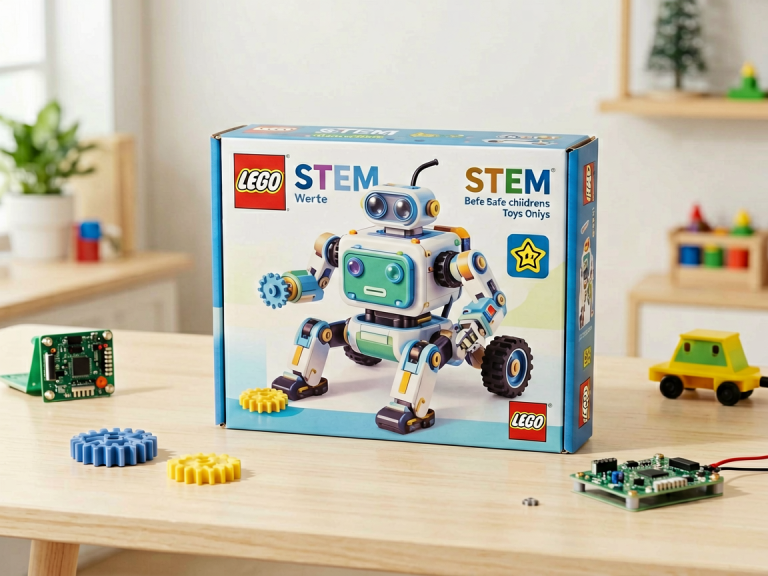
Plastic toys have a clear edge in the realm of technology. For a twelve-year-old, an interest in coding, robotics, or digital music is common. Plastic construction sets like LEGO Mindstorms, K’NEX, or various programmable robot kits rely heavily on plastic components that host sensors, motors, and circuit boards. These toys bridge the gap between physical play and digital literacy, teaching logic, programming languages, and basic engineering principles. Wooden alternatives in this niche are rare—while there are wooden coding blocks for younger children, the complex electronics required for advanced robotics simply cannot be housed in wood. Similarly, many board games and card games use plastic tokens, custom dice, and plastic-coated cards for durability. Plastic toys also allow for vibrant colors and intricate injection-molded details that appeal to a twelve-year-old’s aesthetic sense and desire for cool, modern designs. A plastic model airplane with realistic panel lines and decals is far more visually exciting than a simple wooden shape.
2. Affordability and Variety
Another undeniable advantage of plastic toys is their cost. Wooden toys, especially those that are handcrafted or from sustainable sources, often carry a premium price tag. A high-quality wooden marble run can cost $80 or more, whereas a plastic version with similar features might be $30. For families on a budget, plastic toys provide access to a vast array of options—from toy cars and action figures to building blocks and science kits. The variety is staggering: plastic allows for mass production in every shape, size, and color imaginable. A twelve-year-old who is passionate about a particular movie, game, or hobby can easily find a plastic toy that matches their interest. This can be highly motivating for learning—for example, a plastic chemistry set with colorful plastic beakers and test tubes may engage a child more than a wooden alternative because it looks "real" and professional. However, it’s worth noting that the low cost often correlates with low durability, leading to frequent replacements that ultimately cost more in the long run.
Environmental and Safety Considerations
1. Sustainability and Eco-Footprint
From an environmental perspective, wooden toys generally have a lower carbon footprint if sourced from sustainably managed forests. Wood is biodegradable, renewable, and often free from the toxic chemicals found in some plastics. For a twelve-year-old who is beginning to understand concepts like climate change and waste, choosing wooden toys can be a concrete lesson in sustainability. Many wooden toy brands now use non-toxic paints, water-based finishes, and FSC-certified wood, ensuring that the toy’s lifecycle is responsible. Plastic toys, on the other hand, are almost entirely derived from fossil fuels. They persist in landfills for centuries, and microplastics from degraded toys can enter the food chain. While some plastic toys are recyclable, the reality is that most are not because of mixed materials or small size. The energy required to produce plastic toys also exceeds that of wood. However, there is a counterargument: wooden toys that are shipped long distances from Asia may have a high transport carbon footprint, and some plastic toys, if kept and reused for years, can amortize their environmental impact. Ultimately, the most eco-friendly choice is not just the material but the toy’s lifespan and whether it will be passed on or recycled.
2. Safety for Older Children
Safety concerns for twelve-year-olds are different than for toddlers. Choking hazards are minimal, but chemical safety remains important. Many plastic toys contain phthalates, BPA, or other plasticizers that can leach out, especially if the toy is exposed to heat or sunlight. While regulations have tightened in many countries, cheap imported toys may still violate standards. Wooden toys are generally safer in this regard because they do not require plasticizers. However, wooden toys can splinter, or their paint may chip if not finished properly. For a twelve-year-old who may play roughly or use tools, a high-quality wooden toy with smooth edges and non-toxic lacquer is ideal. Plastic toys can also have sharp edges or break into sharp shards. One area where plastic is superior is in water play—plastic boats or bath toys are waterproof, whereas wood can swell and warp. For a twelve-year-old interested in science experiments with water or outdoor activities, plastic may be more practical.
Play Patterns and Long-Term Value
1. How Each Material Supports Different Learning Styles
Twelve-year-olds are developing more abstract reasoning and strategic thinking. Wooden toys that require careful planning—such as a wooden labyrinth, a strategy board game like Hive (which is made of wood), or a complex lock-box puzzle—encourage deep concentration and systematic trial-and-error. These toys often have a contemplative, almost meditative quality that contrasts with the flashy, instant-gratification nature of many plastic electronic toys. On the other hand, plastic toys that incorporate sensors and lights can teach cause-and-effect relationships and quick reflexes. For a child who thrives on competition and speed, a plastic air hockey set or a battery-operated racing track can be exhilarating. The key is to match the toy to the child’s temperament. Wooden toys tend to favor introspective, patient learners, while plastic toys can appeal to extroverted, action-oriented children. A balanced selection of both can be ideal.
2. Durability and the Modern Consumer Culture
One often overlooked aspect is the cultural message that the material sends. Wooden toys, with their natural colors and simple shapes, imply a respect for craftsmanship and permanence. They encourage a child to value objects and care for them. Plastic toys, especially cheap ones, can inadvertently teach disposability—when a piece breaks, it’s easier to toss it and buy a new one. This is a critical lesson at age twelve, when children are forming consumer habits. Many wooden toys also have a classic aesthetic that does not go out of style; a wooden chess set or a wooden geometry block set can be used into adulthood. Plastic toys, particularly those tied to media franchises, can quickly become dated. However, some plastic toys, like high-end building sets, are designed to last. The best plastic toys are those that are modular, repairable, and compatible with other sets—LEGO being the prime example. LEGO bricks, though plastic, are robust and can be reassembled infinitely. In such cases, the material’s longevity rivals that of wood.
Conclusion: A Thoughtful Blend Rather Than a Binary Choice
After weighing the evidence, it becomes clear that there is no single correct answer to the wooden-versus-plastic debate for twelve-year-olds. Each material brings distinct strengths. Wooden toys nurture patience, sensory awareness, environmental consciousness, and timeless creativity. They are ideal for quiet, focused play, for building fine motor skills, and for fostering a deeper connection with natural materials. Plastic toys, on the other hand, offer technological innovation, affordability, versatility, and cultural relevance. They can ignite a passion for engineering, coding, and modern design, and they often provide the interactive feedback that today’s children expect. The best approach is to curate a diverse toy collection that includes both. A twelve-year-old might benefit from a wooden marble run for solitary problem-solving, a plastic robotics kit for collaborative experimentation, and a board game with plastic pieces for family game night. Parents should also consider the child’s personality, interests, and future goals. If the child shows an inclination toward hands-on crafts or architecture, invest in high-quality wooden construction sets. If they are fascinated by technology, select plastic STEM kits that challenge their intellect. The most important factor is not the material itself, but the quality of the toy, the engagement it inspires, and the values it instills. By making conscious choices, we can ensure that playtime at twelve is not only fun but also formative—a bridge between childhood curiosity and the nuanced thinking of adolescence. In the end, the toy that captures a child’s imagination is always the right one, whether it is carved from wood or molded from plastic.