Safety First: Comparing Magnetic Tiles and Traditional Building Blocks for Children
Introduction
When it comes to choosing toys for young children, safety is almost always the top priority for parents and caregivers. Among the most popular construction toys on the market today are magnetic tiles (such as Magna-Tiles or PicassoTiles) and traditional wooden or plastic building blocks. Both offer tremendous developmental benefits, fostering creativity, spatial reasoning, and fine motor skills. However, they differ significantly in their safety profiles. This article provides a thorough, evidence-based comparison of magnetic tiles versus building blocks from a safety perspective, examining material composition, choking hazards, magnet ingestion risks, physical design, age recommendations, and regulatory standards. By the end, readers will have a clear understanding of the strengths and weaknesses of each toy type, enabling them to make informed decisions that protect their children while still encouraging play.
Material Composition and Toxicity
Traditional Building Blocks
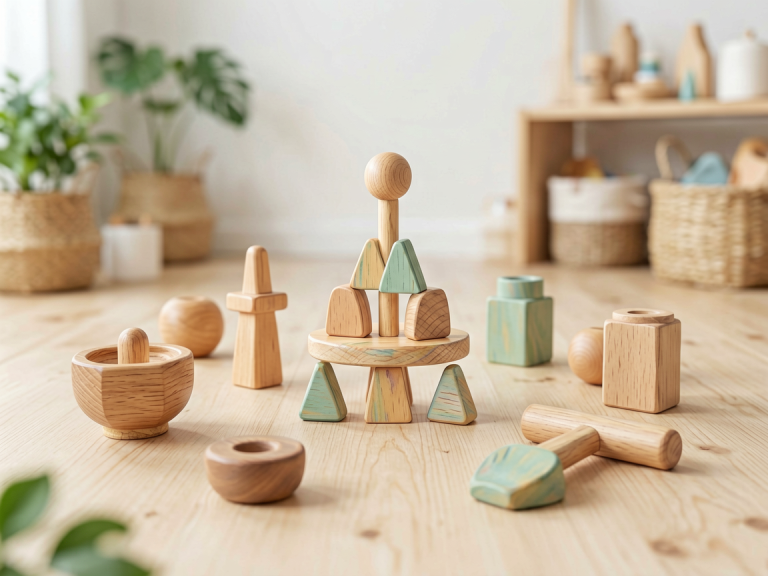
Most traditional building blocks are made from wood (often beech, maple, or pine) or plastic (such as ABS or polypropylene). Wooden blocks are generally considered safe because they are free from phthalates, BPA, and heavy metals – provided they are finished with non-toxic water-based paints or stains. However, cheaper wooden blocks may use paints containing lead or formaldehyde-based glues, so parents must check for certifications like ASTM F963 (U.S.) or EN71 (Europe). Plastic blocks, such as those by LEGO Duplo or Mega Bloks, are typically BPA-free and meet strict chemical safety limits. Nonetheless, some lower-quality plastic blocks may contain harmful plasticizers, especially if manufactured in unregulated facilities.
Magnetic Tiles
Magnetic tiles are usually made from transparent or translucent ABS plastic with neodymium magnets encased inside. The plastic itself is generally safe and free from toxic chemicals if the product is from a reputable brand. However, the magnets themselves present a unique toxicological risk: if a child swallows multiple magnets, they can attract each other through intestinal walls, causing perforations, sepsis, or death. This is not a chemical toxicity issue but a mechanical one. Additionally, the plastic casing can be brittle and may crack over time, potentially exposing the magnets. Premium brands reinforce their tiles with rivets or stronger welds to prevent breakage, but cheaper knock-offs may not.
Choking Hazards and Small Parts
Traditional Building Blocks
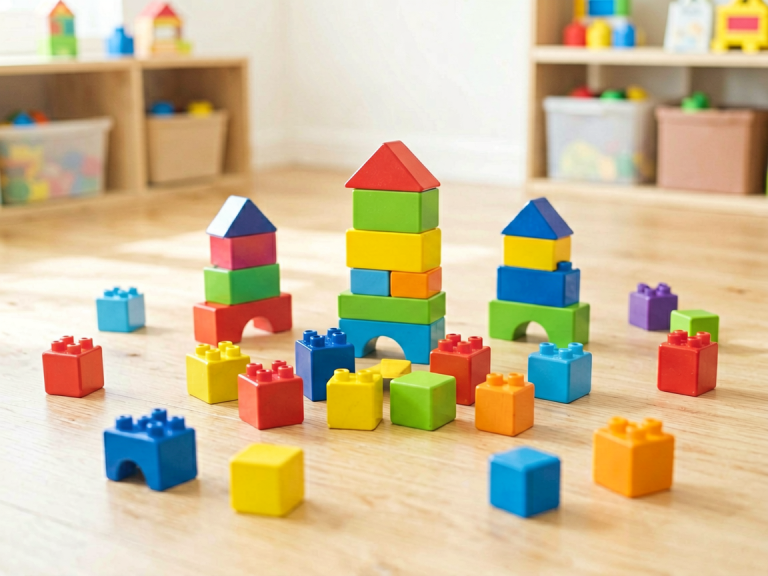
Standard wooden or plastic blocks are generally large enough to avoid being a choking hazard for children aged 3 and up. However, many block sets include smaller shapes – triangles, cylinders, or decorative pieces – that can fit into a toddler’s mouth. The U.S. Consumer Product Safety Commission (CPSC) uses a small-parts cylinder (diameter 1.25 inches) to test for choking risk. Blocks that pass this test are safe for children 3 years and older. But for infants and toddlers under 3, even larger blocks can be dangerous if they are mouth-sized. Parents should always follow the age labeling; for example, basic unit blocks (e.g., 1.5-inch cubes) are generally safe for 1-year-olds under supervision, while smaller decorative blocks are best delayed.
Magnetic Tiles
Magnetic tiles are typically flat squares or triangles measuring about 3 inches on each side, and they are too large to be swallowed whole. The primary choking hazard with magnetic tiles is not the tiles themselves but the small magnets that can become dislodged. If a tile cracks – due to being dropped, chewed, or stepped on – the magnets inside can be released. These magnets are often small (5–8 mm in diameter) and easily aspirated or swallowed. Many magnetic tile sets carry warnings that they are not for children under 3 years old precisely because of the magnet ingestion risk. Even for older children, constant inspection for cracks or damage is essential.
Magnet Ingestion Risks: The Most Critical Safety Difference
This is the single most important safety distinction between magnetic tiles and traditional blocks. Traditional building blocks contain no magnets whatsoever, so the only risk is choking or physical injury from throwing or rough play. In contrast, magnetic tiles pose a life-threatening hazard if magnets are swallowed. The problem is compounded when two or more magnets are ingested: they can attract each other across loops of the intestine, compressing tissue, cutting off blood flow, and causing necrosis within hours. Symptoms may not appear immediately, and children may not report swallowing them. According to the American Academy of Pediatrics, thousands of emergency room visits occur each year due to magnet ingestion, often from high-powered neodymium magnets found in toys like magnetic tiles. Fortunately, safety regulations have tightened significantly since 2015, requiring that magnets in toys have a low magnetic flux index or be permanently enclosed in a casing that cannot be opened without tools. Reputable magnetic tile brands now use ultrasonic welding or rivets to seal the tiles. However, counterfeit or older sets may not meet these standards. Parents must verify that their magnetic tiles comply with ASTM F963-17 or newer regulations.
Physical Design: Sharp Edges, Pinch Points, and Projectile Risks
Traditional Building Blocks
Wooden blocks have smooth corners and edges when properly sanded, but sharp splinters can occur if the wood is of poor quality. Plastic blocks are generally rounded and well-molded. The main physical risk with blocks is throwing: a heavy wooden block thrown at a sibling can cause bruises, cuts, or even concussions. Stacking blocks can also topple, and a falling tower might strike a child’s head. However, these risks are generally mild and common to any construction toy.
Magnetic Tiles
Magnetic tiles are thin (typically 3–5 mm thick) and have rounded corners, making them less likely to cause injury upon impact. Because they are light and flat, they rarely cause significant harm when thrown. However, there is a unique “pinch” risk: children can get fingers caught between two tiles that snap together suddenly due to the strong magnetic attraction. This is especially problematic for toddlers with small fingers. Additionally, if a magnetic tile breaks, the sharp edges of cracked ABS plastic can cut skin. Some parents also worry about the magnetic field interfering with pacemakers or medical implants, though the field strength of toy magnets is generally too weak at a distance. Nonetheless, children with metal implants or electronic devices should not play with magnetic tiles unsupervised.
Age Recommendations and Supervision Requirements
Traditional Building Blocks
Most traditional blocks are recommended for children aged 1 and up, especially the large “jumbo” blocks for infants. Wooden unit blocks are classic for toddlers aged 2–4, and smaller LEGO Duplo blocks are designed for ages 1.5–5. Supervision is still necessary: toddlers may put blocks in their mouths, and older children may use them as weapons. However, the level of vigilance required is relatively low compared to magnetic toys.
Magnetic Tiles
Nearly all reputable magnetic tile sets are labeled for ages 3 and up (or 2+ for some larger sets). The primary reason is the magnet ingestion risk. Even for children aged 3–5, close adult supervision is recommended, particularly when multiple children are playing (as magnets can become dislodged and mixed in with other toys). Many pediatric safety experts advise that magnetic tiles should not be used in daycare or preschool settings with children under 4 unless the tiles are regularly inspected for damage. Furthermore, siblings of different ages create challenges: an 8-year-old may be safe with magnetic tiles, but if a 2-year-old sibling is present, the magnets could easily be scavenged. Thus, magnetic tiles require more careful household management.
Regulatory Standards and Certifications
For Building Blocks
In the United States, building blocks must comply with ASTM F963, which covers mechanical and chemical hazards. CPSIA (Consumer Product Safety Improvement Act) requires lead and phthalate limits. In Europe, the EN71 standard is equivalent. Parents should look for the “ASTM” or “CE” mark on packaging. Traditional blocks have a long track record of safety, and recalls are rare.
For Magnetic Tiles
Magnetic toys face additional regulations. After a series of high-profile incidents, the CPSC issued a mandatory safety standard in 2015 (16 CFR Part 1240) that prohibits the sale of toys containing small, powerful magnets that can be released. Specifically, the magnet must either be too weak to cause harm (magnetic flux index less than 50 kG² mm²) or be securely encased so that it cannot be accessed. Reputable brands like Magna-Tiles and PicassoTiles comply, but parents should beware of unbranded sets sold on discount online platforms. These may use inferior plastic that cracks easily and magnets that are not properly sealed. Always check for a “Small Magnets Warning” label and certification to ASTM F963-17 (section 4.38).
Conclusion: Which is Safer?
There is no one-size-fits-all answer. For children under 3 years old, traditional building blocks are unequivocally safer because they eliminate the risk of magnet ingestion. High-quality wooden or plastic blocks pose only minor choking and impact risks that can be managed with basic supervision. For children aged 3 and up who have passed the mouthing stage, magnetic tiles can be a safe and enriching toy – but only if parents purchase from reputable manufacturers, inspect tiles regularly for cracks, and enforce rules against chewing or biting the tiles. The key is recognizing that magnetic tiles are not a “drop-in replacement” for blocks; they require a higher level of vigilance. In mixed-age households, it may be prudent to restrict magnetic tiles to times when younger siblings are napping or otherwise separated. Ultimately, the safest choice depends on the child’s developmental stage, the integrity of the toy, and the quality of adult supervision. When in doubt, err on the side of simplicity: classic building blocks have been trusted for centuries, and they remain the gold standard for worry-free play.