Wooden Toys vs Plastic Toys: A Timeless Debate for Modern Parents
Introduction
For generations, the choice between wooden toys and plastic toys has sparked passionate discussions among parents, educators, and child development experts. On one side, wooden toys evoke nostalgia, craftsmanship, and a connection to nature. On the other, plastic toys promise vibrant colors, affordability, and endless interactive features. As we navigate an increasingly digital and eco-conscious world, understanding the nuanced differences between these two material categories becomes essential. This article delves into the historical, environmental, developmental, and economic aspects of wooden and plastic toys, offering a comprehensive comparison to help readers make informed decisions for the children in their lives.
—
Historical Context: From Heirloom to Mass Production
Wooden toys have been part of human civilization for millennia. Archaeological findings reveal carved wooden dolls, animals, and spinning tops from ancient Egypt, Greece, and China. For centuries, these toys were handcrafted by artisans or family members, often passed down through generations as treasured heirlooms. The Industrial Revolution introduced mass production techniques, but wood remained a primary material due to its availability and workability.
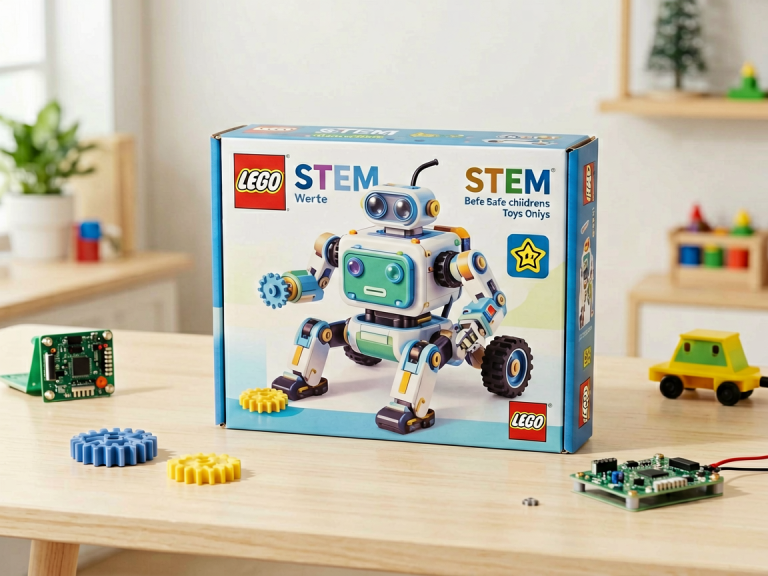
Plastic toys, by contrast, emerged only in the mid-20th century with the advent of synthetic polymers. The post-World War II economic boom brought injection molding, polyethylene, and vinyl, enabling the creation of colorful, lightweight, and cheaply produced toys. Iconic plastic items like Lego bricks (initially made from cellulose acetate in the 1950s) and Barbie dolls revolutionized the play industry. While plastic toys democratized play by making them accessible to the masses, they also marked a shift from durability and craftsmanship to disposability and rapid consumption.
—
Environmental Impact: Sustainability vs. Plastic Pollution
One of the most critical debates today revolves around environmental consequences. Wooden toys, when sourced from sustainably managed forests, are biodegradable, renewable, and often produced with minimal chemical treatments. Many premium brands use non-toxic paints, natural oils, or water-based finishes, making them safer for both children and the planet. End-of-life options include composting (if untreated), repurposing, or burning for energy. However, not all wooden toys are environmentally friendly. Some cheap imports are made from unsustainably harvested timber, coated with toxic varnishes, or involve high transportation emissions due to global supply chains.
Plastic toys present a starkly different picture. The vast majority are derived from fossil fuels, and their production contributes to greenhouse gas emissions. Once discarded, plastic toys can take hundreds of years to decompose, often breaking down into microplastics that infiltrate soil, waterways, and marine ecosystems. Recycling plastic toys is notoriously difficult due to mixed materials, small components, and colored additives. Many end up in landfills or as litter. Despite these drawbacks, some plastic toys are designed for longevity (e.g., Lego bricks that survive decades), and a growing number of companies are shifting toward recycled plastics or bio-based alternatives. Yet, the overall environmental cost of plastic toys remains significantly higher than that of wooden ones, especially when considering the full life cycle.
—
Durability and Safety: Which Lasts Longer?
A common misconception is that wooden toys are inherently more durable. In reality, high-quality plastic toys can withstand rough handling, drops, and outdoor elements better than many wooden counterparts. Hard plastics like ABS (used in Lego) resist cracking and splintering, while wood can chip, split, or develop rough edges over time. However, wooden toys that are properly constructed and finished can last for generations. Antique wooden blocks and rocking horses often survive in family attics, while plastic toys from the 1970s may have become brittle or faded.
Safety considerations also differ. Wooden toys typically lack small detachable parts, reducing choking hazards. They do not leach harmful chemicals like BPA, phthalates, or lead (provided the paint is non-toxic). Plastic toys, especially cheaper ones, can contain these substances, though regulations in many countries have tightened. On the other hand, plastic toys can be designed with rounded edges, soft textures, and secure battery compartments. The key is to look for certifications like ASTM, CE, or EN71, regardless of material.
—
Developmental Benefits: Open-Ended vs. Stimulated Play
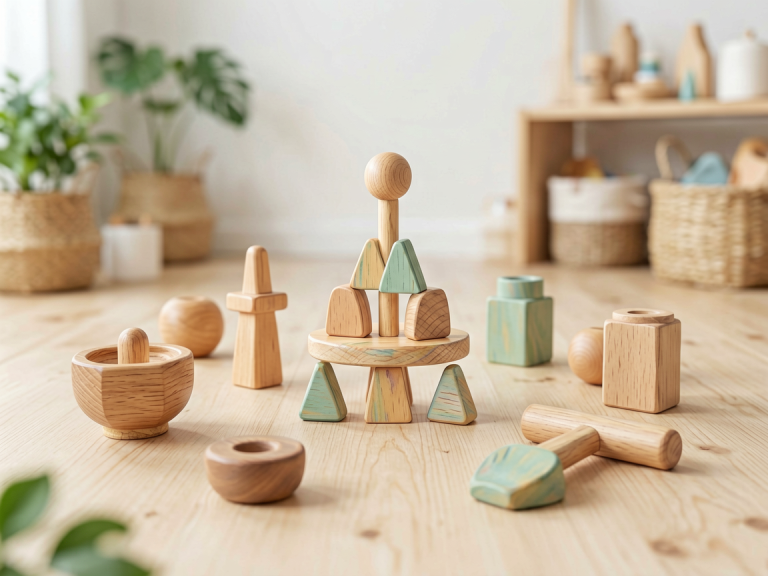
Child development experts often favor wooden toys for their open-ended nature. Simple wooden blocks, trains, puzzles, and stacking rings encourage imagination, problem-solving, and fine motor skills without prescribed outcomes. Children can build a castle, a bridge, or a spaceship, freely transforming the toy’s purpose. Wooden toys also offer rich sensory experiences: the natural grain, weight, smell, and warmth of wood engage multiple senses, promoting focus and calm.
Plastic toys, especially electronic or battery-operated ones, often provide immediate stimulation through lights, sounds, and moving parts. While this can capture a child’s attention, it may reduce opportunities for creative thinking. Many plastic toys are “closed-ended”—they have a specific function (e.g., a talking doll that says only pre-recorded phrases). This can limit a child’s imagination. However, not all plastic toys are passive. Building sets like Lego or magnetic tiles are also open-ended and highly educational, proving that the material itself matters less than the design intent. The best plastic toys mimic the simplicity of wooden ones—offering versatility, durability, and minimal distraction.
A study published in the *Journal of Applied Developmental Psychology* found that toddlers who played with wooden toy sets exhibited longer durations of focused play and more complex storylines compared to those using plastic equivalents. Yet, plastic toys can be especially beneficial for children with sensory processing disorders or those who need extra auditory or visual cues to engage.
—
Aesthetics and Sensory Experience
Beyond functionality, the look and feel of toys shape a child’s environment. Wooden toys exude a timeless elegance. Their natural tones—beech, maple, walnut—soften a playroom, reduce visual clutter, and complement interior design. The tactile experience of wood is warm and organic, contrasting with the cold, synthetic feel of plastic. Many parents appreciate that wooden toys do not rely on bright, garish colors or flashing lights, fostering a calmer play atmosphere.
Plastic toys, meanwhile, are champions of vibrant color and thematic variety. They can mimic real-world objects with high fidelity—shiny cars, realistic animals, or favorite cartoon characters. This visual appeal can be exciting for children, especially those drawn to bright, stimulating environments. However, some critics argue that an overabundance of plastic toys desensitizes children to beauty and craftsmanship. The choice often reflects personal aesthetic values: conservative minimalists lean toward wood, while playful maximalists embrace plastic.
—
Cost and Accessibility
Price is a practical constraint for most families. Wooden toys, especially handmade or artisan ones, can be significantly more expensive than plastic counterparts. A simple wooden set of 30 blocks may cost $30–$50, while a plastic building block set of 100 pieces might cost only $10–$15. This disparity stems from material costs, manufacturing complexity, and smaller production volumes. However, wooden toys’ longevity can offset the initial expense—they often pass through multiple children or generations, reducing per-use cost.
Plastic toys dominate the mass market because of economies of scale. They are ubiquitous in discount stores, online marketplaces, and thrift shops. For families on a tight budget, plastic toys offer immediate affordability. The downside is that cheap plastic toys may break quickly, leading to repeated purchases and ultimately more waste. Second-hand wooden toys retain value well; vintage plastic toys rarely do. Ultimately, the “cheapest” option depends on whether one values short-term savings or long-term sustainability.
—
Conclusion: The Best of Both Worlds
The debate between wooden and plastic toys is not about declaring a winner. Both materials have undeniable merits and drawbacks. Wooden toys excel in sustainability, sensory richness, open-ended play, and timeless appeal—making them ideal for early developmental stages, quiet play, and eco-conscious households. Plastic toys win in affordability, variety, colorful stimulation, and the ability to emulate complex modern objects—essential for themed play, outdoor exposure, and accommodating diverse interests.
A balanced approach might serve families best. Investing in a core set of high-quality wooden toys (blocks, puzzles, stacking rings) provides a foundation for creativity and calm. Supplementing these with select plastic toys (Lego, magnetic tiles, a favorite character figurine) adds diversity without overwhelming the child or the planet. Ultimately, the toy’s design, safety, and longevity matter more than its material. By choosing thoughtfully—prioritizing non-toxic, durable, open-ended toys regardless of material—parents can nurture joyful, meaningful play that transcends the wooden-versus-plastic divide.