The Ultimate Guide: What to Know Before You Choose Educational Toys
Introduction
In a world overflowing with colorful boxes, flashing lights, and bold promises of “guaranteed IQ boost,” choosing the right educational toy for your child can feel overwhelming. Parents, grandparents, and educators all want the same thing: toys that not only entertain but also nurture a child’s cognitive, social, emotional, and physical development. Yet the term “educational toy” is often exploited by marketers, leading to purchases that fail to deliver lasting learning value. Before you add another toy to the cart, it is essential to understand the subtle factors that separate a genuinely enriching plaything from a short-lived distraction. This guide will walk you through the critical considerations—from age appropriateness and safety to developmental domains and the role of parental involvement—so that every toy you choose becomes a meaningful tool for growth.
1. Understanding “Educational” – Beyond the Label
The first thing to know is that the word “educational” is not regulated. Any manufacturer can slap it on a box. Therefore, you must look beyond the marketing copy and ask: what specific skill does this toy actually teach? Does it promote problem-solving, spatial reasoning, language development, fine motor control, or social cooperation? A simple wooden puzzle can teach shape recognition and hand-eye coordination; a complex chemistry set can introduce scientific thinking. But a toy that merely repeats random facts or requires no active thinking may be labeled “educational” without being truly enriching. The most effective educational toys demand active engagement—they make the child think, experiment, ask questions, and sometimes fail before succeeding. Always examine the toy’s purpose through the lens of real developmental milestones, not just the promises on the packaging.
2. Age Appropriateness: The Foundation of Effective Learning
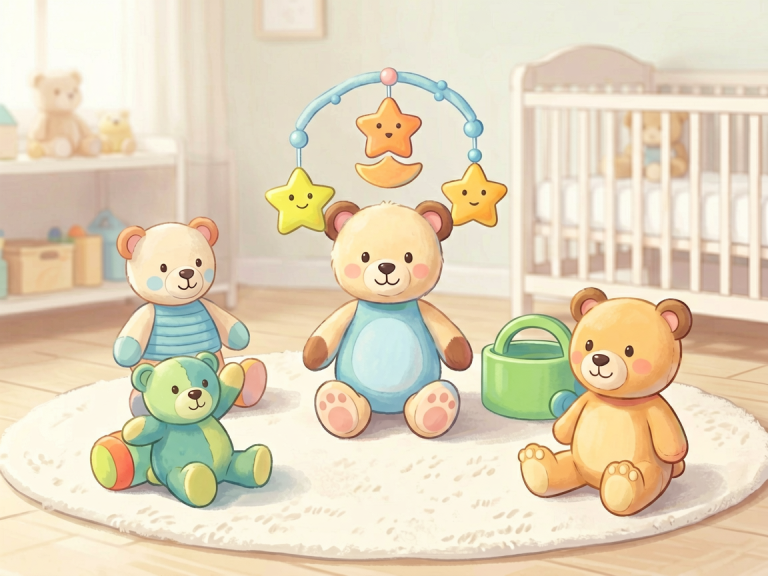
No matter how brilliant a toy seems, it will fail if it is not suited to the child’s developmental stage. A toy that is too simple leads to boredom; one that is too complex causes frustration and discouragement. Manufacturers typically suggest age ranges, but these are rough guidelines. You must consider your individual child’s abilities, interests, and attention span. For infants, educational toys should focus on sensory exploration (textures, sounds, colors) and cause-and-effect relationships. Toddlers benefit from toys that encourage language development, imitation, and basic problem-solving—such as shape sorters, simple puzzles, and pretend-play sets. Preschoolers thrive with toys that introduce counting, letter recognition, and more complex construction. School-age children can handle strategy games, science kits, and creative building sets that require planning and patience. Choosing an age-appropriate toy ensures the child experiences the “just right” challenge, which is the sweet spot for learning.
3. Safety First: Non-Toxic and Age-Safe Materials
Educational value means nothing if the toy poses a risk. Before you buy, inspect the materials and construction. Are there small parts that could be choking hazards for children under three? Does the paint or plastic contain harmful chemicals like lead, phthalates, or BPA? Look for certifications such as ASTM (American Society for Testing and Materials) or CE (Conformité Européenne) marks. For babies and toddlers who mouth everything, opt for solid wood with non-toxic finishes, food-grade silicone, or organic fabrics. Avoid toys with sharp edges, long cords (strangulation risk), or loose magnets that could be swallowed. Even older children can encounter hazards, such as batteries that can leak or breakable glass components in science kits. Safety is non-negotiable, and a toy that compromises it cannot be considered truly educational.
4. Targeting Developmental Domains: A Holistic Approach
Not all educational toys address the same aspects of growth. The best toys offer holistic development by covering multiple domains simultaneously. Consider the following categories:
- Cognitive Development (logic, memory, problem-solving): Puzzles, memory games, and coding toys.
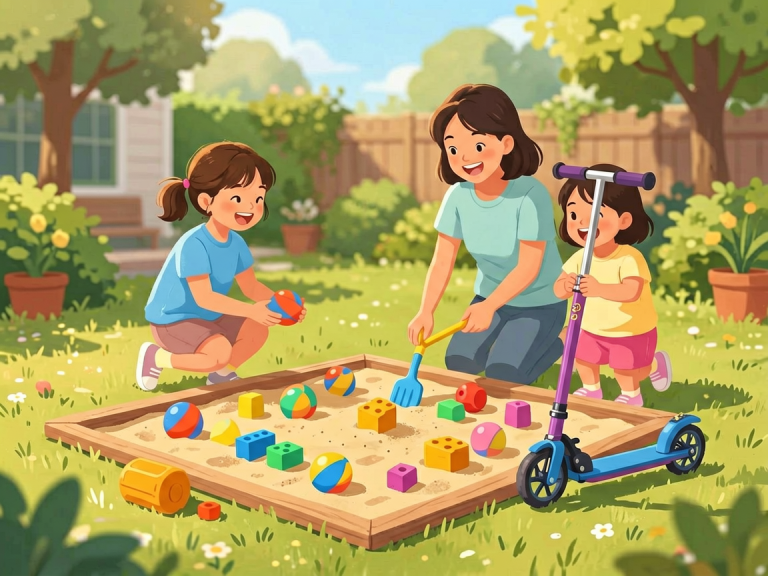
- Motor Skills (fine and gross): Building blocks, threading beads, play dough, and ride-on toys.
- Language and Literacy: Alphabet puzzles, story cubes, and interactive books.
- Social and Emotional Learning: Board games that require turn-taking, cooperative playsets, and dolls for empathy-building.
- Creative Expression: Art supplies, musical instruments, and open-ended construction kits.
A single toy can often touch several domains. For example, a set of wooden blocks builds fine motor skills, spatial reasoning, creativity, and even social cooperation if played with others. When evaluating a toy, ask yourself which areas it stimulates and whether it leaves some crucial skills undeveloped. A balanced toy collection should cover all these domains over time.
5. Open-Ended vs. Closed-Ended Toys: Fostering Creativity
One of the most important distinctions is between open-ended and closed-ended toys. Closed-ended toys have a specific goal or a single “correct” way to use them—for instance, a jigsaw puzzle that must be completed in a certain way, or an electronic toy that gives a fixed response. These are valuable for teaching focus and achieving defined outcomes. However, open-ended toys—like blocks, LEGO bricks, play silks, clay, or a simple set of loose parts—allow infinite possibilities. A box of wooden blocks can become a castle, a spaceship, a bridge, or a city depending on the child’s imagination. Open-ended toys encourage divergent thinking, creativity, and problem-solving without pressure. The most effective educational toy collections balance both types: closed-ended toys for skill mastery, and open-ended toys for creative exploration. When in doubt, lean towards open-ended, because they grow with the child and rarely become obsolete.
6. The Role of Technology: Screen Time and Interactive Toys
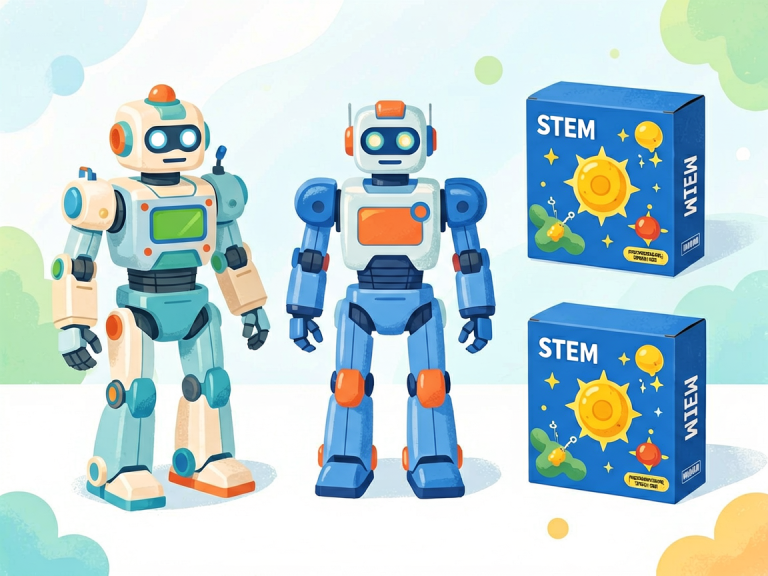
In our digital age, many educational toys come with screens, apps, or voice assistants. While technology can offer interactive learning experiences (coding robots, language-learning tablets), it also raises concerns about excessive screen time and passive consumption. The American Academy of Pediatrics recommends avoiding digital media for children under 18 months (except video chatting) and limiting screen time for older children. Before choosing a tech-based toy, consider: Is the child an active participant or a passive viewer? Does the toy encourage physical movement, social interaction, and real-world creativity, or does it simply substitute a screen? For example, a talking alphabet robot that requires the child to press buttons and respond vocally is more interactive than a video that just plays songs. The best tech toys are those that integrate seamlessly with hands-on play and require the child to think, build, or create, rather than just consume.
7. Quality and Durability: Investing in Long-Term Play
Educational toys are an investment, and cheaply made products often break quickly, leading to disappointment and wasted resources. High-quality materials—solid wood, thick cardboard, sturdy plastic, reinforced stitching—ensure the toy can survive enthusiastic play and even be passed down to younger siblings. Durability also means the toy can withstand repeated use without losing its educational value. For instance, a cheap puzzle may have pieces that easily peel or bend, making it frustrating to complete. A well-constructed one will maintain its fit and finish. Look for toys that are built to last; often these are from reputable brands that prioritize safety and design. The initial higher cost is offset by years of use and learning, making it a wiser long-term choice.
8. Following the Child’s Lead: Interests and Passions
No matter how academically sound a toy is, it will only teach if the child actually wants to play with it. The most powerful learning occurs when a child is intrinsically motivated. Observe your child’s natural interests: Does she love animals? Choose animal-themed puzzles, farm sets, or wildlife books. Does he enjoy building? Invest in magnetic tiles, construction sets, or a simple tool kit. Is she fascinated by music? Offer a xylophone, a small drum, or a music-making app that encourages composition. Forcing a child to play with a toy that bores them will lead to resistance and minimal learning. Conversely, a toy that aligns with a child’s passion will be used repeatedly, deepening skills and knowledge organically. Educational toys should spark curiosity, not kill it.
9. The Parent’s Role: Facilitator, Not Director
A common misconception is that educational toys work independently. In reality, the adult’s role is crucial. Young children learn best through guided play—when a parent or caregiver interacts, asks questions, expands vocabulary, and models problem-solving. For example, a simple counting toy becomes far more educational if the parent says, “How many red buttons are there? Let’s count them together. Can you find one more blue button?” This scaffolding turns a basic activity into a rich language and math experience. On the other hand, if a child is left alone with a toy that requires instruction, they may become frustrated or use it incorrectly. Parents should view themselves as facilitators: they introduce the toy, demonstrate possibilities, and then gradually step back as the child gains confidence. The best educational toys are designed to encourage interaction, not replace it.
10. Avoiding Marketing Hype and Gender Stereotypes
Finally, be wary of toys marketed solely to one gender (e.g., “science kits for boys” or “kitchen sets for girls”). Such labeling limits a child’s exploration and reinforces harmful stereotypes. Educational toys should be gender-neutral in design, colors, and themes, allowing every child to develop a full range of skills. A construction set is not just for boys; a dollhouse is not just for girls. Similarly, ignore flashy packaging that promises instant genius or “genius-level” results. True learning is gradual and requires effort. A toy that claims to teach your child to read in a week is likely over-promising. Instead, choose toys that focus on process—the joy of discovery, the struggle of trial and error, the satisfaction of creation. These are the qualities that foster lifelong learners.
Conclusion
Choosing an educational toy is not a simple matter of picking the brightest box off the shelf. It requires careful thought about the child’s age, safety, developmental needs, interests, and the quality of the play experience. The best toys are those that engage the whole child—mind, body, and spirit—and that invite creativity, curiosity, and social interaction. By understanding the principles outlined in this guide, you can make informed decisions that turn playtime into a powerful foundation for learning. Remember: the most educational toy in the world is the one that the child loves to explore, with the loving support of a caregiver who knows what truly matters.