The Great Toy Debate: Cheap vs. Expensive – Which Truly Benefits Child Development?
—
Introduction
From the moment a child can grasp an object, toys become their window into the world. They are not merely playthings; they are tools for learning, imagination, and social bonding. Yet for parents, caregivers, and educators, one question persistently lingers: is it better to invest in expensive, branded toys or to stock up on cheaper, often simpler alternatives? This debate is not merely about budget constraints—it touches on deeper issues of child psychology, developmental psychology, consumer culture, and even sustainability. In a marketplace flooded with options, from handcrafted wooden blocks costing a small fortune to plastic trinkets sold in bulk at discount stores, the answer is far from straightforward. This article will explore both sides of the argument, examining the cognitive, emotional, social, and economic dimensions, before offering a balanced perspective that may surprise those who equate price with quality.
The common assumption that expensive toys are inherently superior because they are “educational” or “durable” is worth scrutinizing. Similarly, the notion that cheap toys are disposable and valueless overlooks the profound imaginative potential of simple objects. To answer the question “which is better?” we must first define “better.” Better for whom? Better in what context? A toy that is perfect for a toddler may be tedious for a ten-year-old. A toy that sparks creativity in one child may lead to frustration in another. By breaking down the characteristics of both categories, we can move beyond price tags and toward a more nuanced understanding of what truly supports a child’s growth.
—
The Case for Cheap Toys: Simplicity, Imagination, and Accessibility
Unlocking Creativity Through Open-Ended Play
One of the most compelling arguments in favor of cheap toys is their ability to foster open-ended play. A cardboard box—perhaps the cheapest toy imaginable—can become a spaceship, a castle, a car, or a secret hideout. Similarly, a set of inexpensive plastic cups can be stacked, sorted, filled with water, or used as musical instruments. Cheap toys often lack the detailed pre-programmed features of their expensive counterparts, which paradoxically forces children to engage their own imaginations. When a toy does everything for the child—talks, moves, lights up—the child becomes a passive observer. In contrast, a simple building block requires the child to decide, experiment, and create. Research in child development consistently shows that open-ended play strengthens executive function, problem-solving skills, and divergent thinking. Cheap toys, precisely because they are less prescriptive, encourage children to invent their own narratives and rules.
Moreover, cheap toys are often more accessible in terms of quantity. A parent on a limited budget can purchase a larger variety of cheap toys, allowing the child to explore different types of play—puzzles, balls, craft supplies, dolls, cars—without breaking the bank. This variety can expose children to a wider range of experiences, which is beneficial during early developmental windows when novelty drives neural connectivity. The fear that cheap toys break easily can actually be a learning opportunity: when a toy breaks, a child learns about cause and effect, and sometimes even develops repair skills or inventive workarounds. In an age of planned obsolescence and consumerist waste, learning to value and fix objects is itself a valuable lesson.
Encouraging Social Interaction and Collaboration
Another advantage of inexpensive toys is that they frequently promote group play. A set of cheap building blocks or a simple ball is far more likely to be shared among several children than a single expensive electronic gadget that only one child can operate at a time. Expensive toys often come with complex instructions, multiple parts, or batteries, which can lead to possessive behavior—“It’s mine, don’t touch it!”—whereas cheap toys, especially those that are basic and abundant, are naturally more communal. In preschools and kindergartens, teachers often prefer cheap, multipurpose materials like clay, crayons, and fabric scraps precisely because they encourage collaboration, negotiation, and language development. Children learn to take turns, share resources, and resolve conflicts when playing with simple toys. These social-emotional skills are arguably more foundational than any specific knowledge a high-tech toy might teach.
Reducing Pressure and Enhancing Resilience
Cheap toys also reduce the emotional stakes of play. When a child accidentally breaks an expensive toy, the loss can be devastating—both financially for the parent and emotionally for the child, who may feel guilty or anxious. This pressure can inhibit exploratory play. Children are naturally clumsy and experimental; they drop things, throw them, and test boundaries. Cheap toys, being easily replaceable, allow for this kind of messy, joyful experimentation without fear. Furthermore, when a cheap toy loses its appeal, it can be donated, recycled, or repurposed with minimal guilt. This cycle helps children understand the concepts of impermanence and resourcefulness. In a world that increasingly values mindfulness and minimalism, cheap toys align with the principle that happiness does not derive from expensive objects but from experiences and relationships.
—
The Case for Expensive Toys: Quality, Durability, and Educational Value
Superior Materials and Longevity
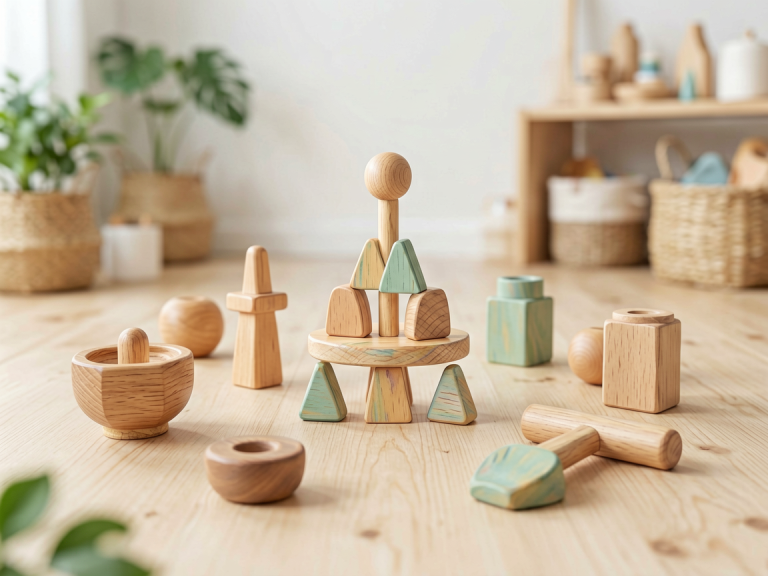
On the other side of the aisle, expensive toys often boast superior craftsmanship, safety standards, and durability. A well-made wooden train set, for example, can last for generations, surviving countless falls, water spills, and even being chewed on by teething toddlers. In contrast, many cheap plastic toys crack, chip, or contain harmful chemicals like lead or phthalates. Quality toys from reputable manufacturers are rigorously tested for safety, non-toxic paints, and smooth edges—an important consideration for infants and toddlers who explore the world with their mouths. While the initial investment is high, the cost per use can be remarkably low if the toy is passed down to younger siblings or even donated to a school.
Durability also means that the toy can sustain the rough-and-tumble play that children naturally engage in. A cheap plastic car may lose its wheels after a week, causing frustration; an expensive die-cast metal car may last for years, becoming a cherished companion. For children who form strong attachments to objects, the consistency of a well-made toy can provide emotional security. Additionally, expensive toys often have more sophisticated mechanisms—a high-quality building set with magnets, gears, or interlocking pieces—that allow for increasingly complex constructions as the child grows. This scalability means the toy evolves with the child, offering years of developmental challenge rather than being quickly outgrown.
Targeted Educational and Sensory Benefits
Many expensive toys are designed by child development experts to target specific skills. Montessori-style materials, for instance, are carefully calibrated to teach concepts like weight, texture, and spatial relationships through hands-on manipulation. Electronic learning tablets for young children, though controversial, can introduce letters, numbers, and problem-solving games in an interactive way that some children find highly motivating. While these toys should never replace human interaction, they can supplement learning, especially for children with certain learning styles or those who need extra practice in a specific area. For children with special needs, expensive adaptive toys—such as those with adjustable sensory inputs or specialized switches—can open doors to play that would otherwise be inaccessible.
Furthermore, expensive toys often emphasize aesthetics and design beauty. A handcrafted dollhouse with fine details inspires a different kind of imaginative play than a cheap plastic version. Children are sensitive to beauty and quality; surrounding them with well-designed objects can cultivate an appreciation for craftsmanship, art, and fine motor skills. When a child handles a smooth, polished wooden block versus a rough, sharp-edged plastic one, the sensory experience is fundamentally different. These tactile differences can influence brain development, as the richness of sensory input during formative years shapes neural pathways.
The Argument of Brand and Trust
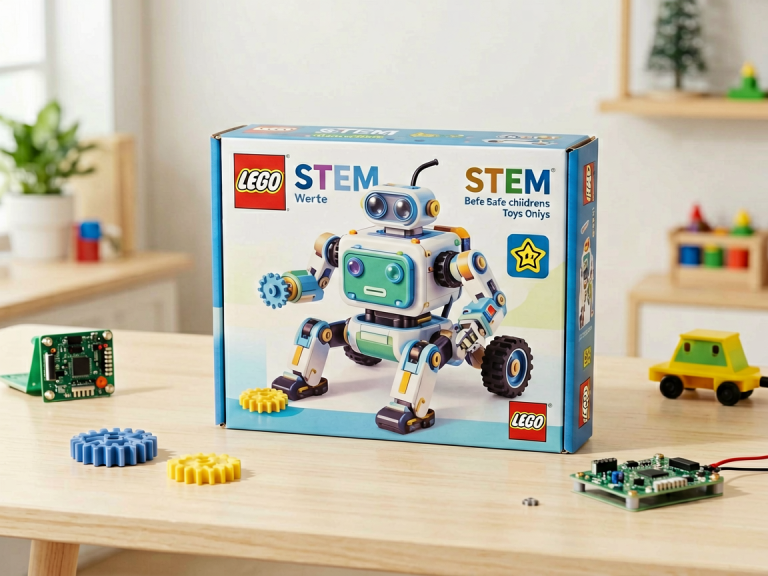
Another dimension is brand trust. Established toy companies invest heavily in research, ethical sourcing, and customer service. When a parent buys a Lego set or a Melissa & Doug puzzle, they are not just buying plastic or wood—they are buying a guarantee that the toy will not break in a dangerous way, that the instructions are accurate, and that any missing pieces can be replaced. In an era of cheap knockoffs sold online, safety risks are real. There have been numerous recalls of cheap toys containing high levels of lead or small magnets that can be swallowed. For parents who prioritize peace of mind, the higher price tag of a reputable brand is a form of insurance.
—
Comparing Developmental Impact: Context Matters
Age and Stage
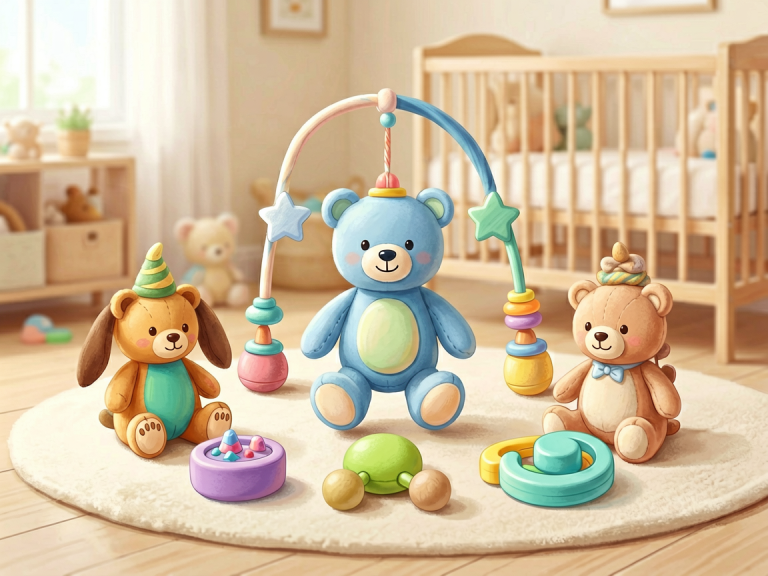
The debate loses its polarization when we consider the child’s age. For infants and toddlers, who explore through mouthing, dropping, and banging, cheap toys are often inadequate. Their small parts, sharp edges, and toxic materials pose risks. At this stage, investing in a few high-quality, safe toys—soft cloth books, silicone teethers, sturdy wooden rattles—is wise. As children enter preschool age, cheap toys become more appropriate. A bag of colorful plastic animals, a set of play dough, or a collection of pebbles and sticks can provide endless hours of imaginative play. For school-age children, expensive toys that align with specific interests—such as robotics kits, musical instruments, or advanced building sets—can be excellent investments, but they should be balanced with cheap, open-ended materials like craft supplies and sports equipment.
The Role of Parental Involvement
Crucially, no toy, regardless of price, can replace the presence of a caring adult. A cheap toy becomes magical when a parent sits down to play, narrates a story, or joins in building a tower. Conversely, an expensive toy can be neglected if left alone in a corner. Research consistently shows that the quality of parent-child interaction during play is more predictive of cognitive and emotional development than the toy itself. Therefore, the question “cheap or expensive” may be less important than “engaging or isolating.” A simple ball kicked back and forth with a parent fosters more connection than a $200 electronic play set that the child uses alone.
Sustainability and Ethical Considerations
In an age of environmental awareness, the choice between cheap and expensive toys also touches on sustainability. Cheap toys are often made of low-grade plastics that end up in landfills after a short life cycle. Expensive toys, if made of natural materials and designed for longevity, have a smaller environmental footprint over time. However, not all expensive toys are eco-friendly; some luxury brands use non-renewable resources or excessive packaging. Conversely, many cheap toys are now made from recycled materials. Parents who are environmentally conscious might prioritize second-hand toys, which can be both cheap and high-quality, offering the best of both worlds.
—
Practical Tips for Parents: Finding the Balance
Given the complexity, the most sensible approach is not to choose one category over the other but to curate a thoughtful mix. Here are some practical guidelines:
- Invest in safety and durability for the youngest children. Spend more on teethers, rattles, and first blocks that are non-toxic and sturdy.
- Favor open-ended toys regardless of price. A set of cardboard blocks from a discount store is better than a single expensive electronic toy that dictates the play.
- Look for multi-generational potential. A high-quality wooden train set, dollhouse, or set of simple building blocks can be passed down and used in many ways.
- Limit the total number of toys. Research suggests that children with fewer toys play more creatively and for longer periods. A small collection of both cheap and expensive items, rotated periodically, can be more beneficial than a room overflowing with cheap trinkets.
- Consider second-hand marketplaces. Many expensive toys are sold used at low prices, giving parents access to quality without the cost.
- Observe your child. Some children are naturally drawn to complex, structured toys; others thrive on chaos and transformation. Follow their lead.
—
Conclusion: Beyond the Price Tag
In the end, the question “which is better—cheap toys or expensive toys?” is a false dichotomy. Both have strengths and weaknesses, and the best choice depends on the child’s age, temperament, family values, and the specific context of play. Cheap toys excel at igniting imagination, promoting social sharing, and reducing the fear of breaking things. Expensive toys often provide superior safety, durability, and targeted learning opportunities. The wise parent or educator will not rigidly adhere to one camp but will instead evaluate each toy on its own merits: Is it safe? Is it engaging? Does it invite creativity? Can it be shared? Does it align with the child’s current interests and developmental stage?
Perhaps the most important lesson is that the value of a toy cannot be measured by its price alone. A crumpled piece of paper, a stick, and an old cardboard box have brought as much joy and learning to children as the most sophisticated battery-operated gadget. In a world that constantly tells us that more expensive equals better, we must remember that childhood is not a product to be optimized—it is a journey of discovery, and sometimes the simplest tools are the ones that open the widest doors. So instead of asking “cheap or expensive,” we might better ask: “Does this toy invite my child to explore, imagine, connect, and grow?” If the answer is yes, then regardless of its cost, it is a good toy.